Español


International Yoga Day: A Global Celebration of Yoga and Well-being
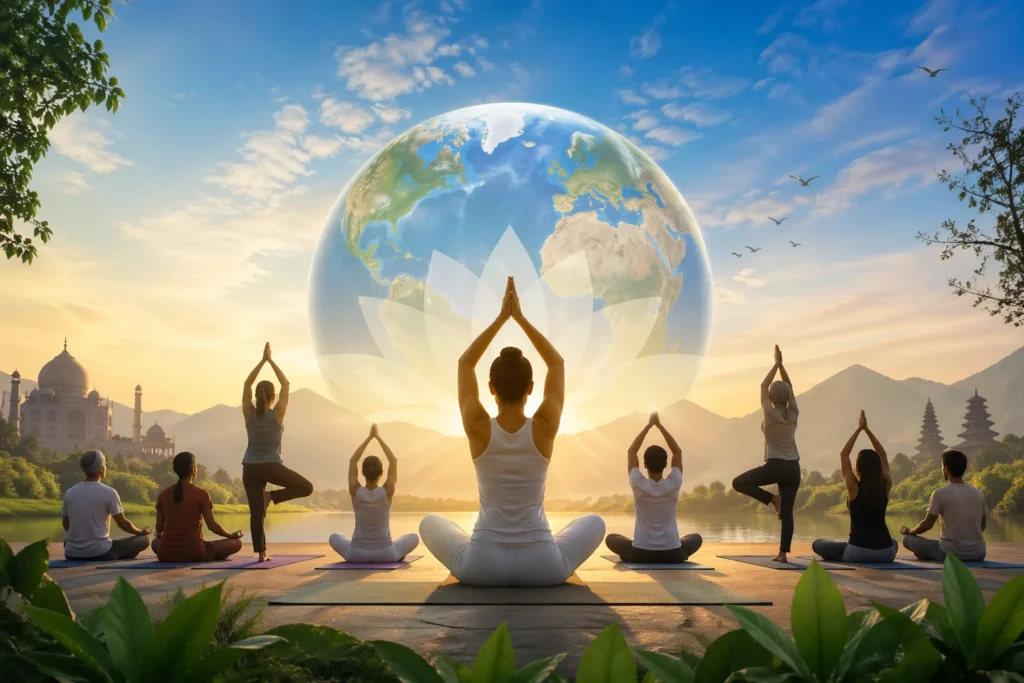
Table of Contents
- How International Yoga Day Started: The UN, a Speech, and a Record
- Why June 21st Was Chosen for International Yoga Day
- From the Ganges to Times Square: How the World Celebrates Yoga Day
- Benefits of Yoga for Mental and Physical Health
- Mental Health and Yoga: The Connection You Cannot Ignore
- Yoga Is Not One Thing: Understanding the Styles and Traditions
- What International Yoga Day Means Beyond the Mat
- How to Celebrate International Yoga Day 2025: Practical Ideas for Everyone
- International Yoga Day for Beginners: Where to Start
- Rishikesh Yog Kendra, Yoga School in Rishikesh
- Final Words
- FAQ
- What is International Yoga Day, and why is it celebrated?
- Why is June 21 chosen as International Yoga Day?
- How can beginners start practicing yoga on International Yoga Day?
Every June 21st, millions of people across the world roll out their mats and breathe together. Here is why that matters more than you might think.
It does not matter if they are complete beginners who wobble on one leg or seasoned practitioners who have been at this for decades. On International Yoga Day, none of that matters. What counts is the intention. The stillness. The shared exhale.
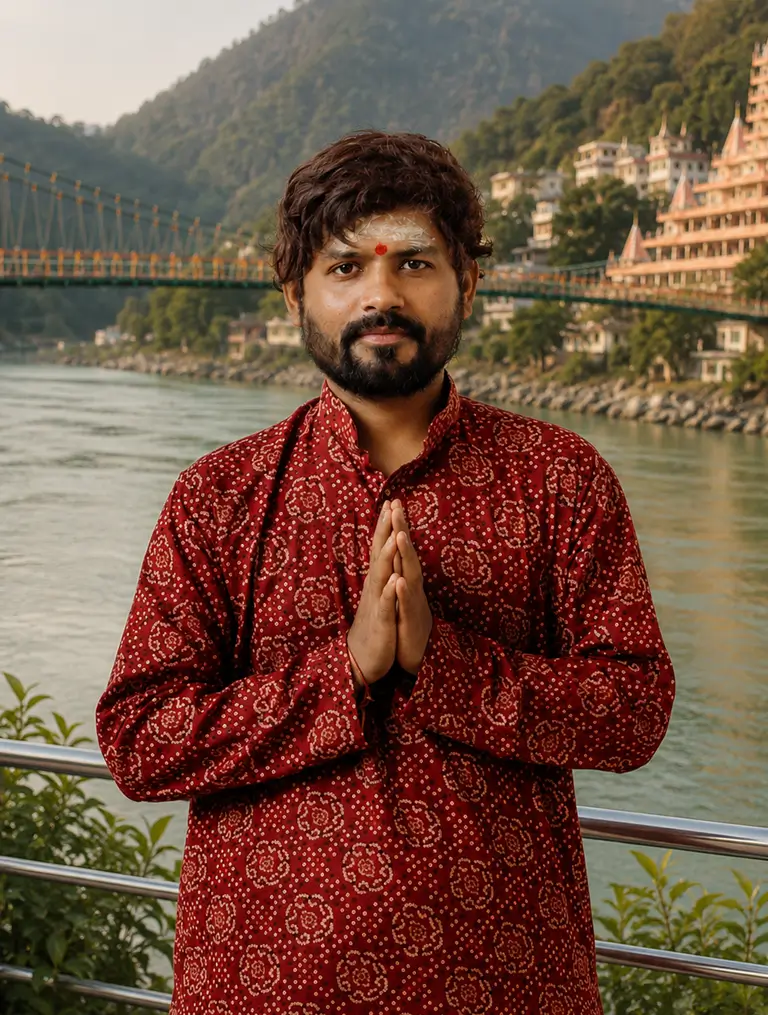
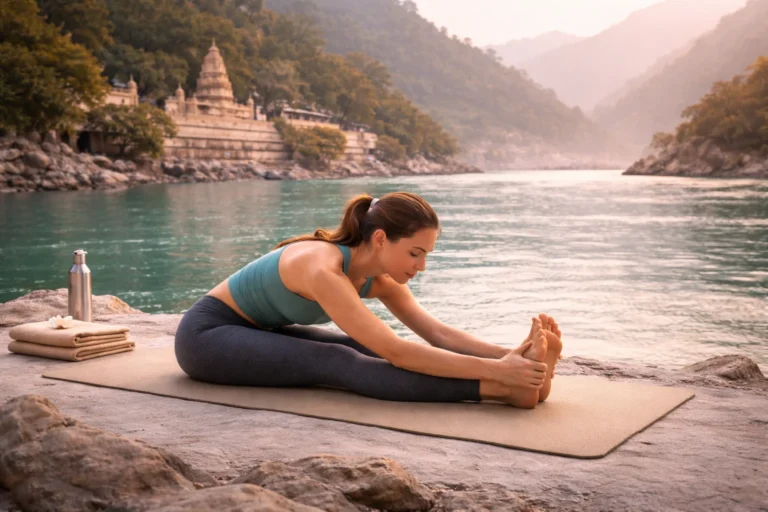
I will be honest with you. The first time I heard about International Yoga Day, I thought it was a marketing moment. A calendar holiday for wellness brands to sell leggings. But then I stood on the ghats of Rishikesh one June morning, hundreds of people moving through sun salutations around me, the Ganges flowing quietly behind us, mist still resting on the Himalayas, and I completely changed my mind. This day is something real.
Quick Fact
International Yoga Day is observed on June 21st every year, the summer solstice. It was declared by the United Nations in December 2014 and first celebrated globally on June 21, 2015.
How International Yoga Day Started: The UN, a Speech, and a Record
The story begins with a single proposal. In September 2014, Prime Minister Narendra Modi addressed the United Nations General Assembly and suggested that June 21st be recognised as the International Day of Yoga. The response was immediate. The UN passed the resolution with support from 177 nations, making it one of the fastest-adopted resolutions in UN history.
June 21, 2015, saw the first official celebration. Over 35,000 people gathered at Rajpath in New Delhi to practice 21 yoga asanas together. It made the Guinness World Records as the largest yoga session ever held at a single venue. Not bad for a first attempt.
Since then, the theme changes every year to reflect what the world needs most. “Yoga for Climate Action.” “Yoga for Peace.” “Yoga for Humanity.” The backdrop shifts. The practice stays the same.
Why June 21st Was Chosen for International Yoga Day
The date is not random. The summer solstice was chosen for deep reasons rooted in both astronomy and yogic tradition. It is the longest day of the year in the Northern Hemisphere, a natural turning point of energy and awareness.
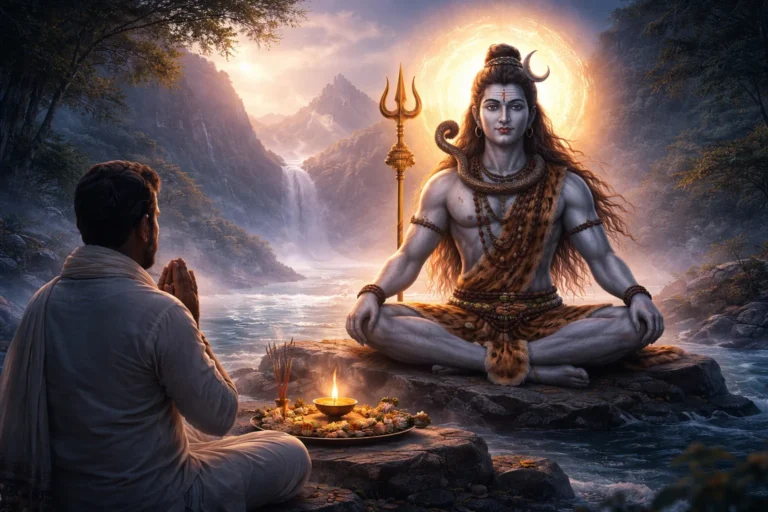
In Hindu mythology, the solstice holds even greater meaning. It is believed that on this day, Adiyogi (the first yogi, understood to be Lord Shiva) began transmitting the knowledge of yoga to the seven sages, the Saptarishis. He recognised in them the readiness to receive. That idea of readiness is quite beautiful. A day of maximum light, chosen to celebrate maximum awareness.
From the Ganges to Times Square: How the World Celebrates Yoga Day
Here is what I find most moving about International Yoga Day. It looks completely different depending on where you are, and yet it feels exactly the same everywhere you go.
Rishikesh, India: The Spiritual Centre
The ghats fill before sunrise. Ashrams open their doors to everyone. Sanskrit chants mix with the sound of the river. If you have never practiced yoga at dawn beside the Ganges with temple bells echoing in the valley, add it to your list. It does something to you that is very hard to describe.
New York City, USA: Yoga Under the Neon Signs
Central Park and Times Square become outdoor studios. There is something genuinely moving about seeing an ancient practice hold its ground against the most modern backdrop imaginable. New Yorkers who spend most of the year rushing will absolutely slow down for this.
Bali, Indonesia: A Festival Atmosphere
Community classes run in rice fields. Sunrise sessions happen at clifftop temples overlooking the Indian Ocean. The connection between Balinese Hinduism and yogic philosophy makes this celebration feel especially rooted and sincere.
Sydney, Australia: Sunrise on Bondi Beach
Classes begin as the sun rises over the Pacific, with practitioners stretching alongside the waves. It honestly looks like a postcard, but it is very real and very free to join.
Tokyo, Japan: Precision and Peace
Parks across the city fill with practitioners bringing their characteristic focus and stillness to the practice. The Japanese approach to yoga is grounded and precise, and it shows on this day more than any other.
No matter where you are on June 21st, you can almost certainly find a community to practice with. That radical openness is the whole point.
Benefits of Yoga for Mental and Physical Health
I know what some of you are thinking. It is just stretching. I used to think that too. Then I went through a difficult period several years ago, a stretch of sustained anxiety that made everything feel heavier than it should have been, and a therapist suggested I try yoga. I was sceptical. I went anyway. Within three weeks, something had genuinely shifted.
Yoga is not just stretching. Here is what it actually does, and the research on this is thorough.
Nervous System Regulation
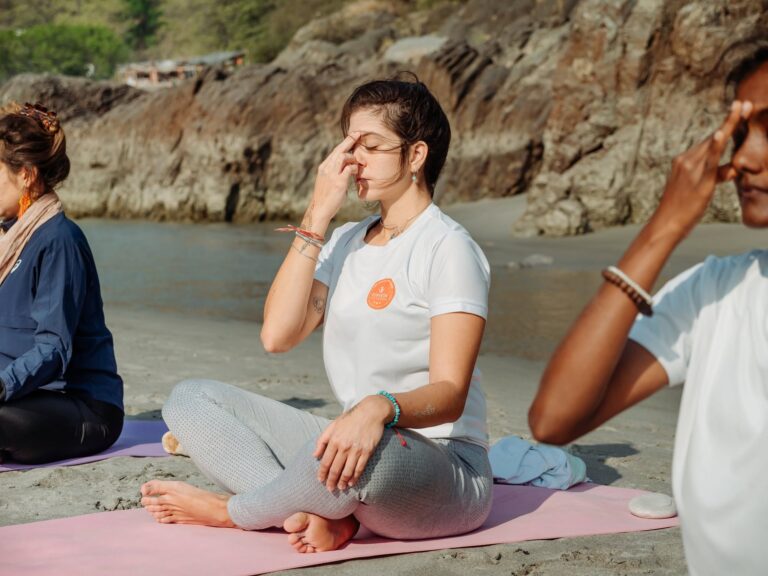
Slow, deliberate breathing activates the parasympathetic nervous system. Cortisol drops. Heart rate slows. The body receives the signal that it is safe. For people living in chronic low-grade stress, this is genuinely medicinal.
Functional Strength
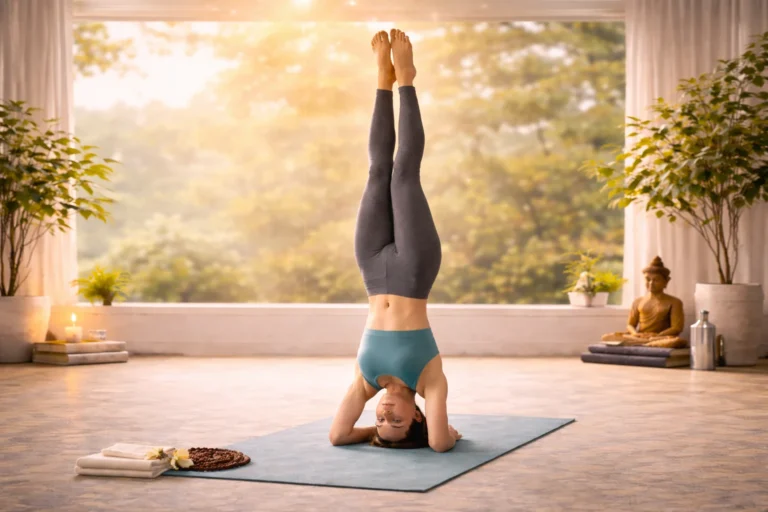
Holding Warrior II for five breaths builds muscular endurance in the legs and hips. Arm balances and inversions ask your body to support its own weight in ways that build real, practical strength.
Sharper Focus
The practice of drishti, fixing your gaze on a single still point, trains the mind in concentration. Balance poses make this viscerally clear. The moment your attention wanders, you fall. Yoga teaches you to come back
Improved Body Relationship
Regular practice softens the inner critic. You stop experiencing your body as a problem to be fixed. You start inhabiting it. For many people, especially those recovering from difficult periods, this shift is genuinely life-changing.
Research note: A 2023 study published in the International Journal of Yoga found that 12 weeks of regular yoga practice significantly reduced anxiety scores and improved sleep quality in adults with generalised stress. The effects were comparable to moderate aerobic exercise.
Mental Health and Yoga: The Connection You Cannot Ignore
The mental health dimension of yoga is where I have seen the most meaningful change, both in my own practice and in the students I teach. There is a concept in yoga philosophy called pratyahara, the withdrawal of the senses inward. In practice, this means learning to quiet the noise of the outside world and pay attention to what is happening inside you.
That sounds abstract. But try it for 20 minutes, and you will feel what I mean. The chatter slows. The to-do list recedes. For that window of time, the breath is enough. That capacity to be present without needing to fix or achieve anything is, I think, one of the most useful things a person can build.
Yoga Is Not One Thing: Understanding the Styles and Traditions
International Yoga Day also reminds us how vast and varied yoga actually is. The version you see most on social media, extremely flexible people in matching sets performing backbends on cliffs, is one tiny slice of a much richer tradition.
There is Hatha yoga, the foundational physical practice most beginners start with. Iyengar yoga uses props and prioritises alignment above all else. Ashtanga follows a demanding, set sequence practiced at the same time every morning. Yin yoga holds poses for up to five minutes in a state of deep passive release. Yoga Nidra is guided yogic sleep, an actual restorative practice with measurable neurological effects. And then there is Bhakti yoga, the yoga of devotion through chanting and service, and Jnana yoga, the yoga of knowledge rooted in texts like the Bhagavad Gita.
If you have tried one style and it did not work for you, that is perfectly fine. You have tried one expression of an enormous tradition. Keep looking.
What International Yoga Day Means Beyond the Mat
At its core, International Yoga Day is a gesture of collective well-being. That sounds lofty. But think about what it actually represents. One hundred and ninety-three countries agreed that human health, mental, physical, and spiritual, is worth pausing for. Worth making visible. Worth celebrating together.
Yoga philosophy has a concept called sangha, meaning community or fellowship. One of the most powerful things about a shared practice is the quiet reminder that you are not alone. The person on the mat beside you is also working on their balance. Also, breathing through difficulty. Also showing up, imperfectly, doing their best.
That is the human condition. And yoga, perhaps more than most things, teaches you to make peace with it.
How to Celebrate International Yoga Day 2025: Practical Ideas for Everyone
You do not need to travel to Rishikesh, though I genuinely hope you do someday. Here are simple, real ways to mark June 21st wherever you are.
- Find a free local class. Most yoga studios offer free or donation-based sessions on June 21st. Check local listings a week in advance.
- Practice for just 10 minutes. Roll out a mat, open a free class on YouTube, and simply start. Ten minutes is enough to shift your mood.
- Go screen-free. If you already have a practice, try one session without music or guidance. Just breath and body. Notice what you find.
- Read something. Pick up the Yoga Sutras of Patanjali or B.K.S. Iyengar’s Light on Yoga. Yoga is an intellectual tradition as much as a physical one.
- Bring someone new. International Yoga Day is a good excuse to invite a friend who has been curious but has not started yet. Lower the bar. Make it easy.
International Yoga Day for Beginners: Where to Start
Starting yoga can feel a bit intimidating, especially when you look at what experienced practitioners do. Here is the honest truth: everyone starts in the same place. On the floor, breathing, figuring out where their hips are. The practice meets you exactly where you are. That is actually one of its most extraordinary qualities.
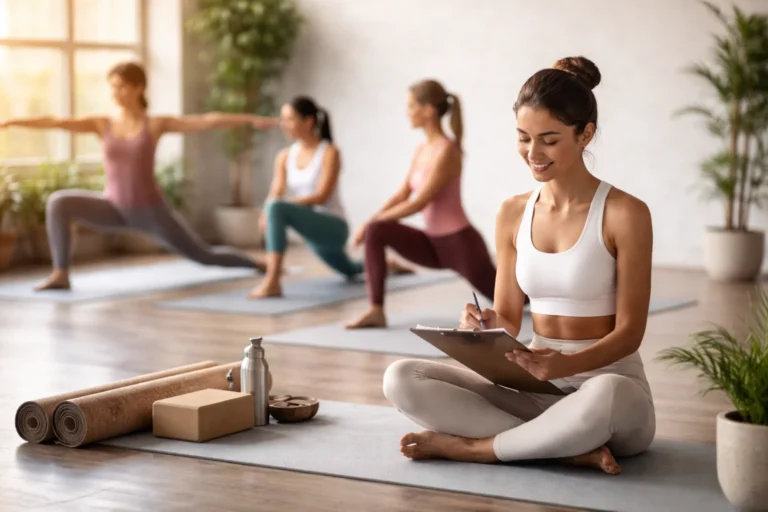
For beginners, I always recommend starting with a basic Hatha or beginner Vinyasa class. Find a teacher whose voice feels calming rather than performative. Go three times before deciding if it is for you. The first class is always the hardest.
Rishikesh Yog Kendra, Yoga School in Rishikesh
Rishikesh Yog Kendra is the best yoga school in Rishikesh. Offering several types of yoga teacher training courses in Rishikesh. The school is surrounded by many ancient temples, ashrams, and the green foothills of the Himalayas, and is very close to the holy River Ganga.
RYK also offers comfortable accommodation, including three times satvic food, and excursions to students visit Ganga Aarti, ancient temples, and caves. All our courses are certified by Yoga Alliance USA.
100-hour yoga teacher training course in Rishikesh
200-hour yoga teacher training course in Rishikesh
300-hour yoga teacher training course in Rishikesh
Final Words
Every year, as June 21st approaches, I feel quietly grateful for this practice and for the fact that it found me when it did. Yoga did not fix everything. What it gave me, and keeps giving, is a place to return to. A place where the noise settles, the body softens, and the breath is enough. On International Yoga Day, that practice scales up to something beautiful. Millions of us, breathing together, across every border and belief system.
FAQ
What is International Yoga Day, and why is it celebrated?
International Yoga Day is celebrated every year on June 21 to raise awareness about the physical, mental, and spiritual benefits of yoga. It was established by the United Nations in 2014 to promote global health, harmony, and well-being through the practice of yoga.
Why is June 21 chosen as International Yoga Day?
June 21 is the summer solstice, the longest day of the year in the Northern Hemisphere. In yogic tradition, it is considered a powerful time for spiritual growth and transformation, making it an ideal day to celebrate yoga and inner awareness.
How can beginners start practicing yoga on International Yoga Day?
Beginners can start yoga by joining a beginner-friendly class, following a short online session, or practicing basic poses at home for 10–15 minutes. Starting with simple breathing exercises and gentle stretches is a great way to build consistency and confidence.