Español


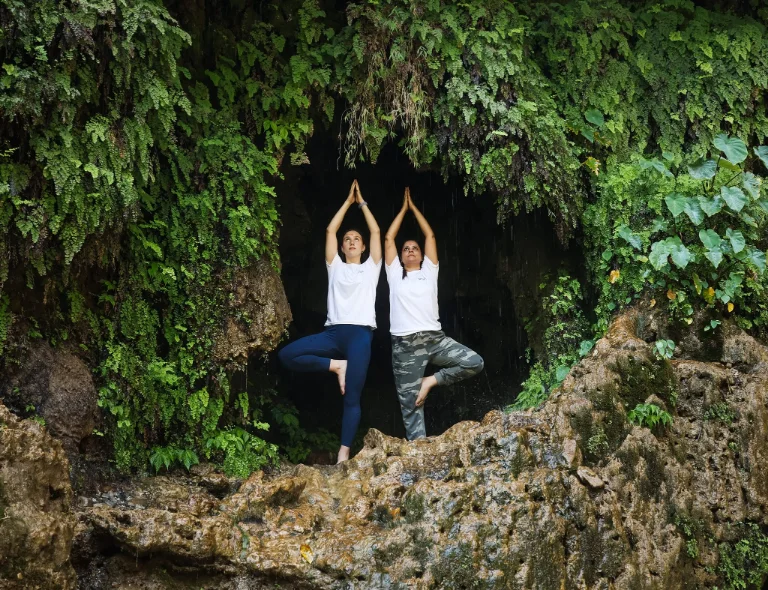
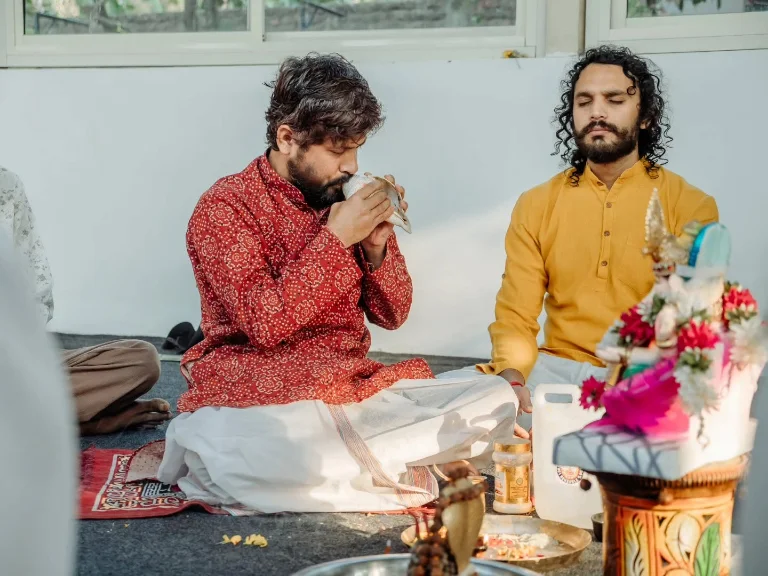
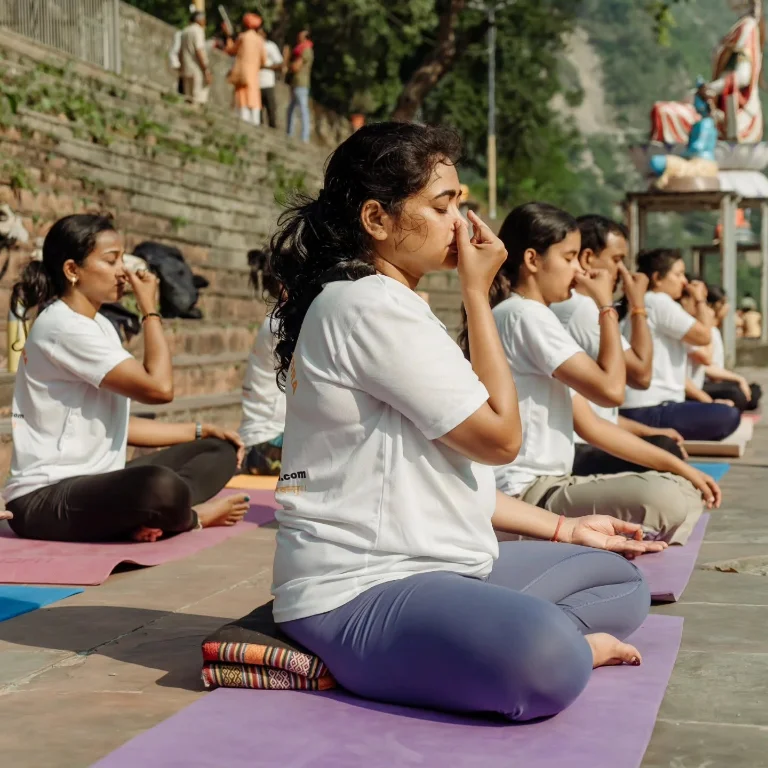
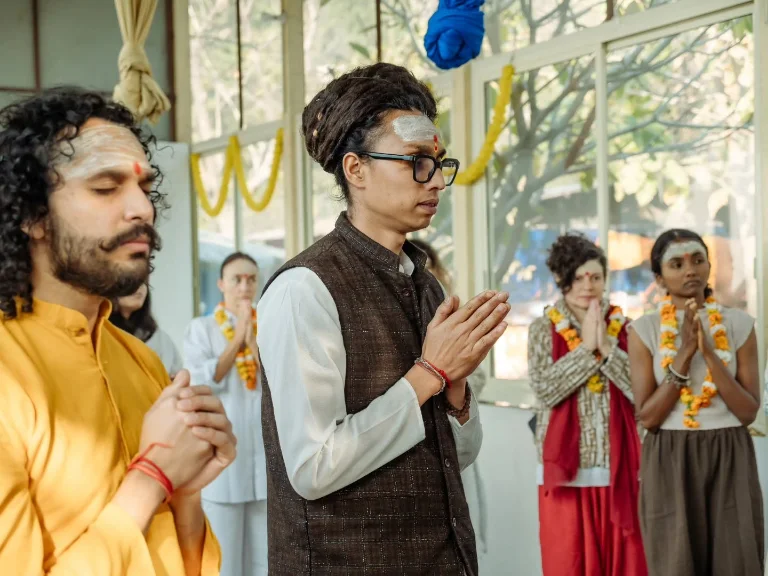
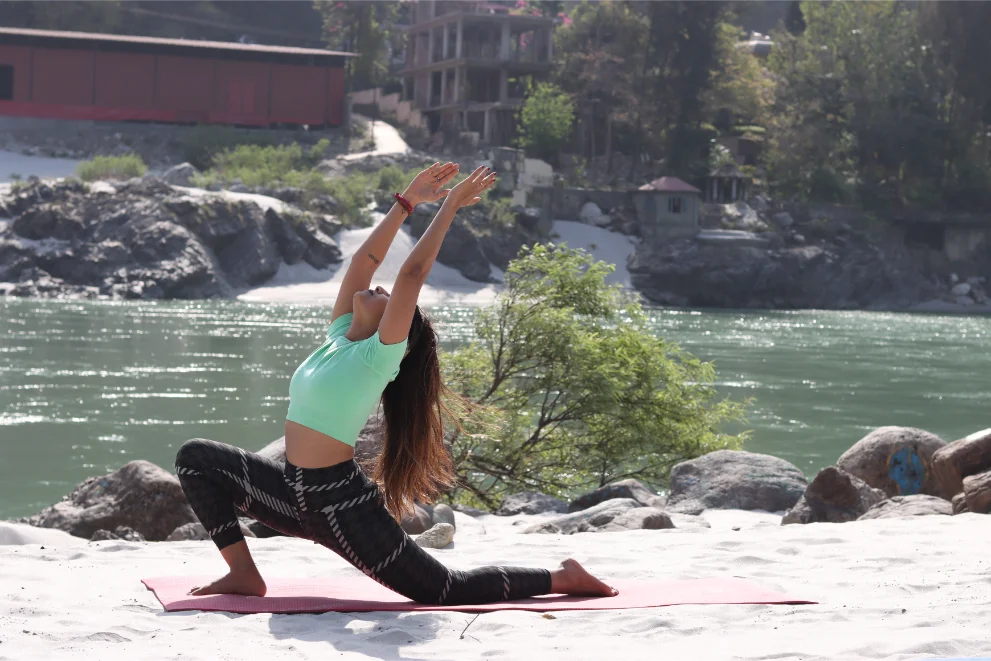
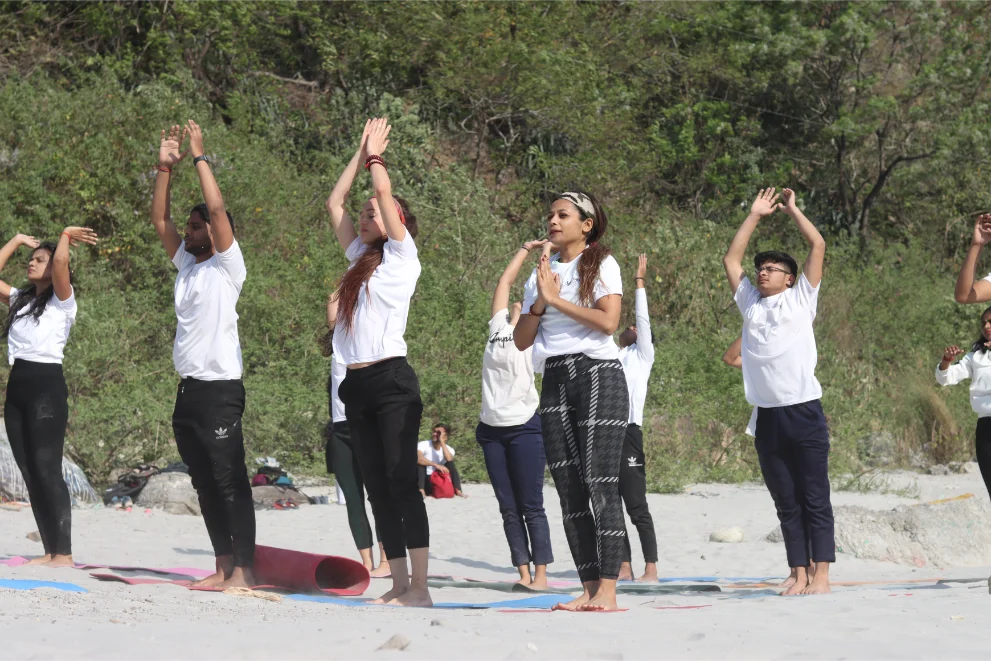
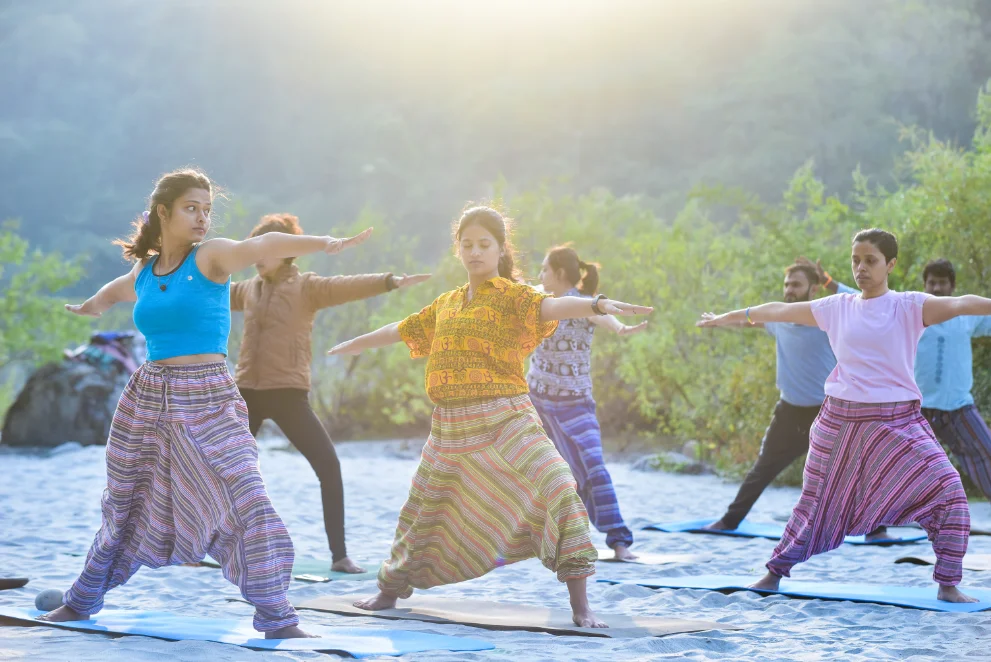
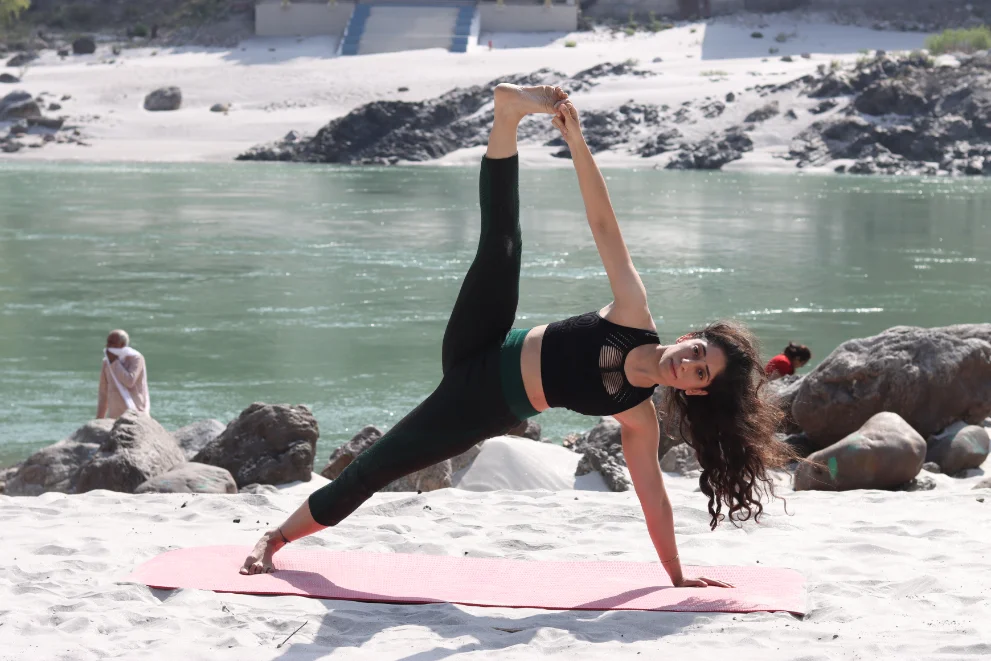


Mantra & Mantra Chanting
Course Highlights
200 Hrs YTTC Fee
22 DaysLearning to teach yoga begins with learning to live it. The 200 Hour Yoga Teacher Training in Rishikesh at Rishikesh Yog Kendra is a residential course where you do exactly that — practising, studying and living the tradition each day, in the town where it has been handed down for centuries.
Rishikesh sits where the Ganga leaves the Himalayas, and for generations seekers and teachers have come here to study yoga at its source. Training in this setting is different from training in a studio elsewhere. The early mornings, the river, the temples and the quiet all become part of the learning, not a backdrop to it.
This 200 hour course is a Yoga Alliance registered program, which means graduates can apply for the internationally recognised RYT 200 credential and go on to teach with confidence around the world. It is designed for complete beginners and experienced practitioners alike — you need no prior qualification, only the willingness to commit to the practice for the length of the course.
Over 22 days you build a genuine foundation: traditional Hatha and Vinyasa asana, pranayama, meditation, yoga philosophy, anatomy and the teaching skills that turn your own practice into the ability to guide others. Classes stay small, so your teachers know you personally and give real attention to how you learn. Accommodation and satvik meals are included, and each week makes room for the culture of Rishikesh itself.
Whether you want to teach professionally or simply understand yoga more deeply, this Yoga Teacher Training in Rishikesh gives you the knowledge, the practice and the certification to carry it forward — taught honestly, in the place where yoga belongs.
The 200 Hour Yoga Teacher Training in Rishikesh is a residential, foundation-level course for anyone who wants to understand yoga fully — not only how to move through the postures, but why the practice works and how to pass it on to others. Over 22 days at Rishikesh Yog Kendra, you live on campus and practise, study and rest inside a single steady rhythm, the way yoga has been taught in this part of India for generations.
Rishikesh Yog Kendra is a Yoga Alliance Registered Yoga School (RYS). Graduates who complete it are eligible to apply for the RYT 200 credential, which is recognised internationally and lets you teach in studios, retreats and independent classes almost anywhere in the world. Training takes place in Rishikesh — long called the yoga capital of the world — so you learn at the source, surrounded by the Himalayas and the river Ganga rather than in a studio far from where the tradition began.
You do not need prior experience to join. The 200 hour course is built for complete beginners and for intermediate practitioners alike. If you are new, the early days start from the ground up — basic alignment, breath and the vocabulary of the practice. If you already have a home practice, the same material opens into greater depth, giving you the anatomy, philosophy and teaching skill that turn personal practice into the ability to guide a room. Classes are kept to small batches of roughly 15 to 20 students, so your teachers know you by name and can correct and encourage you individually.
What you learn is deliberately broad, because a good teacher needs more than a sequence of poses. Across the month you cover:
The training is fully residential, and the fee covers your stay and food. You choose a private or shared room, and three satvik vegetarian meals a day are prepared fresh — the simple, nourishing diet that supports daily practice. Campus life is quiet and clean, with the essentials taken care of so your attention can stay on the training.
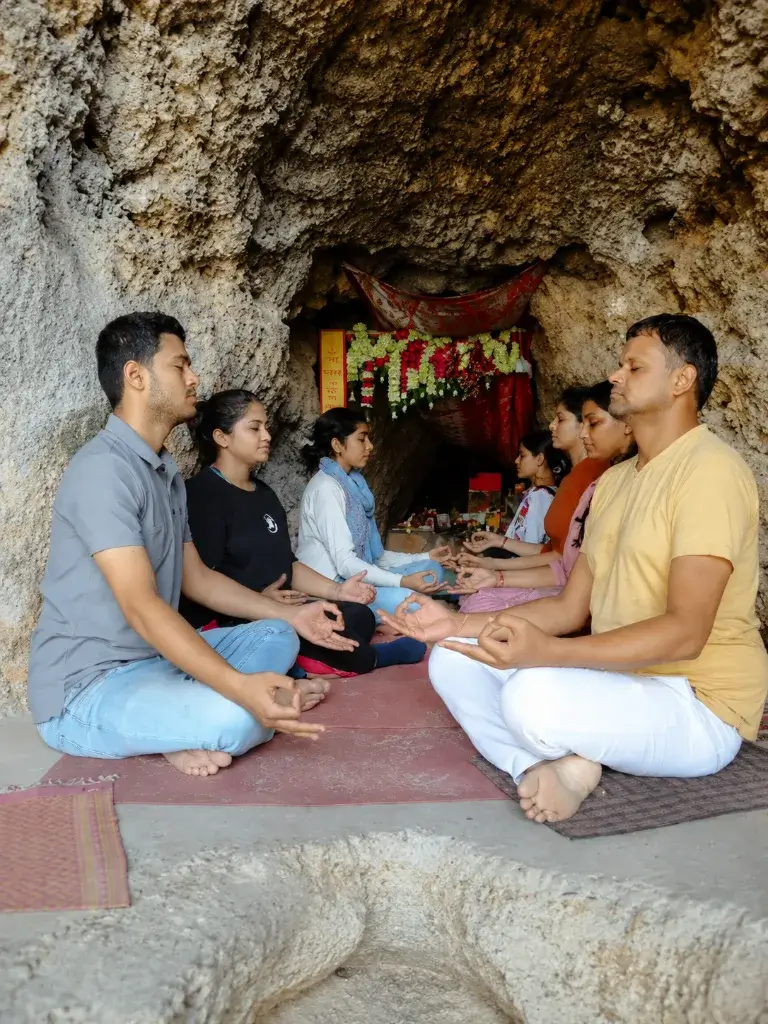
Learning also happens outside the yoga hall. Each week includes excursions into Rishikesh and its surroundings — the banks of the Ganga, the cave of Rishi Vashishta, the evening Ganga Aarti, Parmarth Niketan and nearby temples — alongside guest lectures and workshops that place the practice in its living cultural and spiritual context.
By the end of the 200 Hour Yoga Teacher Training, you leave with three things: a Yoga Alliance–qualifying certificate, the practical confidence to teach, and a personal practice grounded deeply enough to keep growing for the rest of your life.
One of the most common questions we hear is a simple one: is this course meant for someone like me? It is worth answering honestly, because a month of training is a real commitment of time and energy, and it should be the right fit before you arrive.
The short answer is that the 200 Hour Yoga Teacher Training in Rishikesh is designed to welcome people from very different starting points. You do not need to be flexible, experienced, or already teaching. What matters far more is that you are ready to show up each day and give the practice your attention.
This course is likely a good fit if you recognise yourself in any of these:
You have little or no formal yoga background, and you want to learn properly from the ground up rather than pick things up piece by piece. The early days are built exactly for this. Check out a complete beginner's guide to get started.
You practise regularly and want to understand the why behind it — the philosophy, anatomy and breath that a typical class never has time to explain.
You would like a recognised qualification and the practical skills to lead a class with confidence. As a Yoga Alliance registered program, this course lets graduates apply for the RYT 200 credential and teach internationally.
Many students join with no intention of teaching at all. A 200 hour course is also one of the deepest ways to grow personally through yoga, meditation and a month of simple, focused living.
You would rather learn in Rishikesh, at the source of the tradition, than in a studio far from where yoga began.
It suits people of most ages and fitness levels, and it is taught in English, Hindi, & Spanish so national and international students don't face any language barriers while following classes. Because batches are kept small, mixed-experience groups work well — beginners are supported, and stronger practitioners are given room to go deeper. It is worth being realistic about what the month asks of you: this is a residential, full-time training with early mornings, a full daily schedule and a simple satvik diet. You do not need to arrive fit or advanced, but you do need to arrive willing to practise, study and step outside your usual comfort and routine, and students who come with that openness tend to leave with far more than a certificate.
If that sounds like the experience you are looking for, the 200 Hour Yoga Teacher Training in Rishikesh will very likely be a strong fit for you.
Choosing the right yoga teacher training is an important decision. Speak with our Course Advisor to discuss the curriculum, daily schedule, accommodation, fees, and everything you need to know before joining. We're here to make your journey simple and stress-free.
Connect on WhatsApp Chat with our course advisorGet a reply within 15 minutes during working hours
There are many places to train as a yoga teacher, and in Rishikesh alone you will find dozens of schools offering a 200 hour course. What sets one apart is rarely the syllabus, which looks similar everywhere, but the depth of teaching behind it and the care taken with each student. Here is what stands behind our 200 Hour Yoga Teacher Training in Rishikesh.
Rishikesh Yog Kendra has been running teacher training and retreats for around ten years as a Yoga Alliance registered school. That length of time matters — it means a settled teaching team, a curriculum refined through many groups of students, and a school that knows how to guide beginners and experienced practitioners through the same month without leaving anyone behind.
Our instructors are not only certified but have spent years in their own practice and in the classroom. They teach the traditional Himalayan style of Hatha yoga alongside Vinyasa, and they take time to explain the reasoning behind each practice rather than simply demonstrating it. You are encouraged to speak with them personally, ask questions and clear doubts, so you grow into a confident teacher rather than someone who has only memorised a sequence.
Groups are kept to roughly 15 to 20 students. In a small batch your teachers can see how you move, correct your alignment by hand, and adjust their guidance to how you learn. This kind of individual attention is difficult to give in a large room, and it is one of the clearest differences you will feel day to day.
The course gives equal weight to practice and understanding — asana, pranayama and meditation on one side, and philosophy, anatomy and teaching methodology on the other. You learn the why behind the how, which is exactly what separates a competent teacher from a capable student. Daily mantra chanting is woven into the training, adding a sense of calm and spiritual connection to each day.
Learning continues beyond the yoga hall. Each week includes excursions to the sacred and cultural heart of Rishikesh — the banks of the Ganga, the cave of Rishi Vashishta, the evening Ganga Aarti, Parmarth Niketan and ancient temples — along with guest lectures and workshops. These experiences let you absorb the living tradition of the place, not just study it in a book.
The training is residential, with private or shared rooms and three fresh satvik vegetarian meals a day included in the fee. The campus is kept clean and calm, and the essentials of daily life are handled for you. When your practical needs are met, your energy can go where it belongs — into the training itself.
We would rather earn yours through the quality of the teaching, the size of the groups and the honesty of the experience than through any promise — and by the end of the course, most students tell us that is exactly what made the difference.
Short clips our students recorded at the end of their training in Rishikesh.
A 200 hour course has to do two things at once: deepen your own practice, and give you the knowledge to lead others safely. To do both well, the training is built around six connected areas of study rather than a single style of yoga. Each one supports the others — the postures make more sense once you understand the breath behind them, the breath makes more sense once you understand the philosophy it comes from, and none of it can be taught safely without a grasp of how the body actually works.
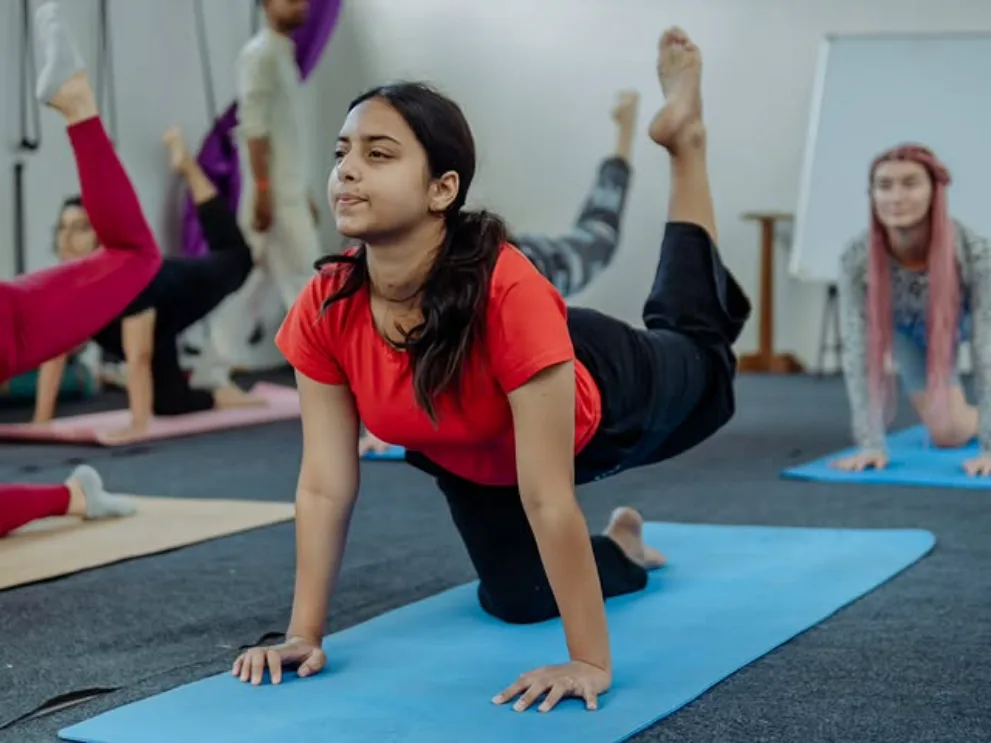
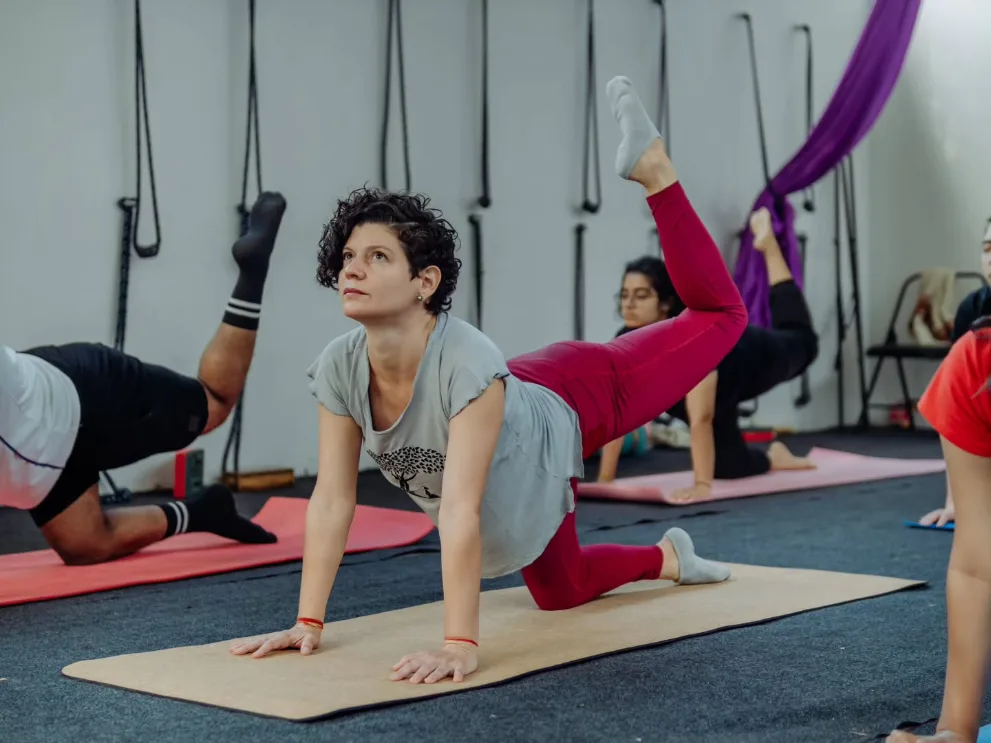
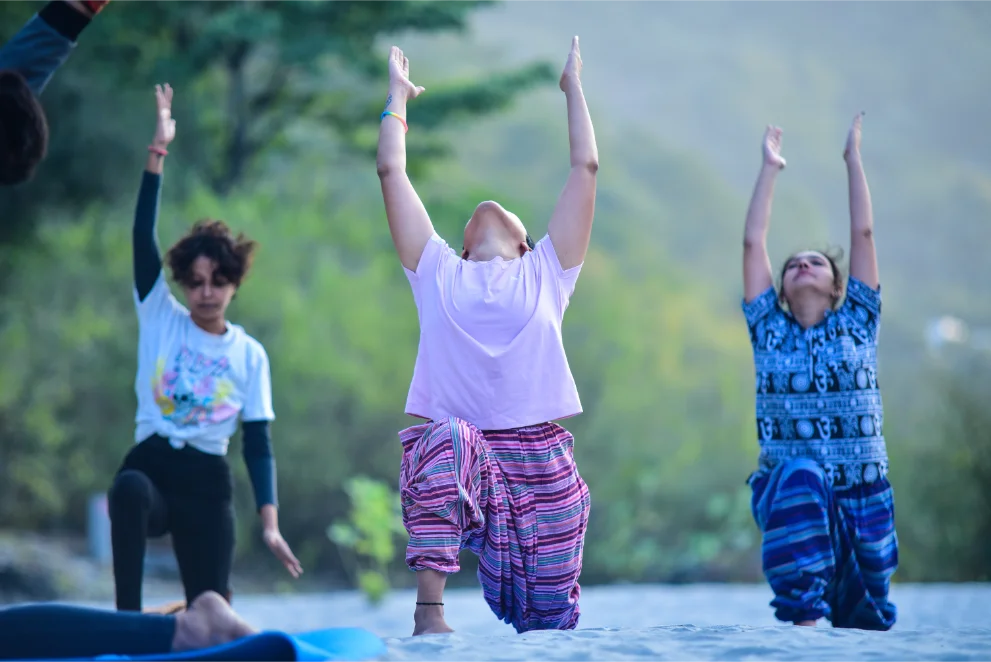
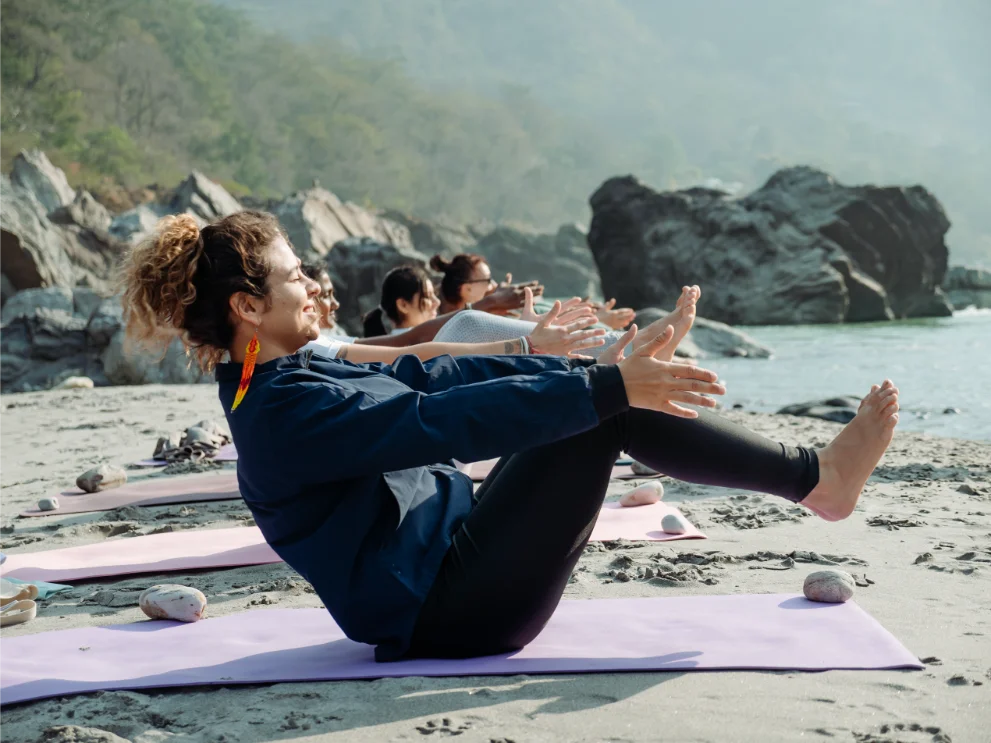
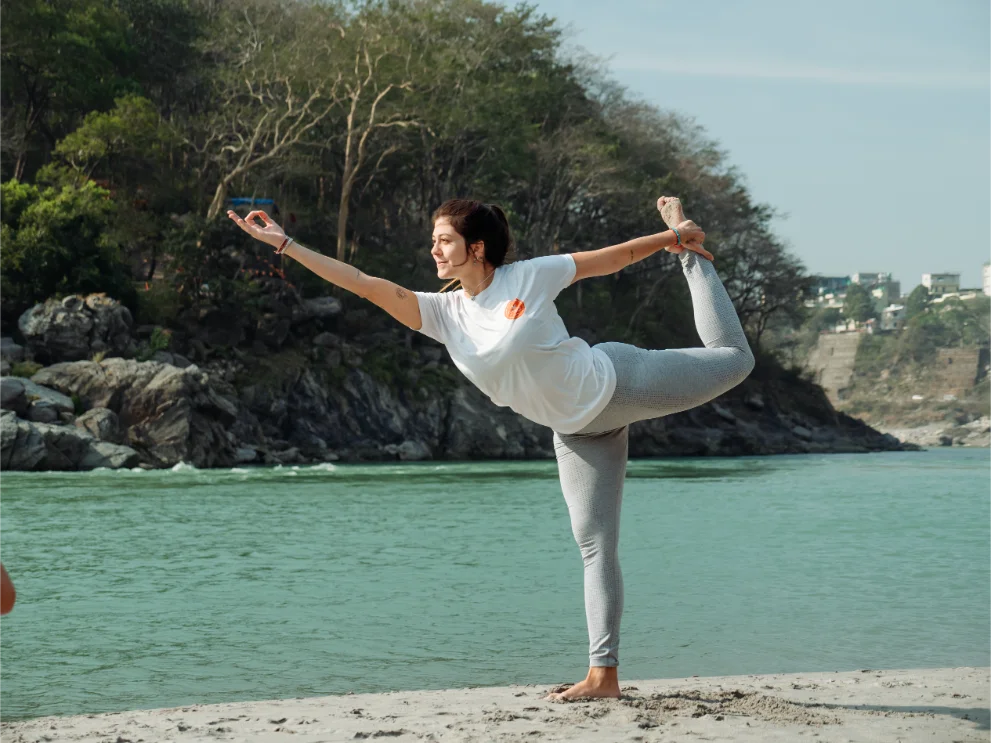
Hatha is the foundation of the whole course. At Rishikesh Yog Kendra you learn the traditional Himalayan style of Hatha, practised by masters in these mountains for centuries, and you adapt each posture to your own strength and flexibility rather than forcing the body into a shape. You work systematically through the classical asana groups — the Pavan Muktasana series, Surya and Chandra Namaskar, and standing, sitting, kneeling, forward- and back-bending, twisting, balancing and inversion postures — building steadiness and control step by step.
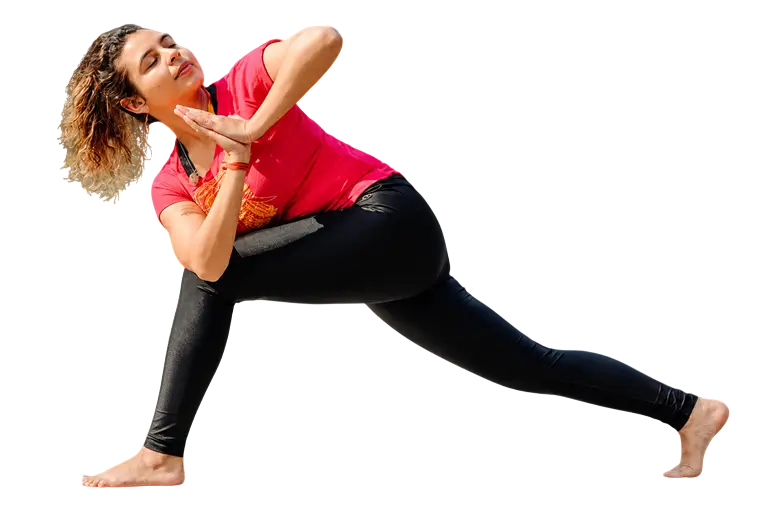
Where Hatha builds a stable foundation, Ashtanga Vinyasa teaches you to move. This is a dynamic style in which posture and breath flow together in a continuous sequence, developing strength, stamina and concentration. You explore what Vinyasa flow actually is and where it comes from, and then learn the practical craft of teaching it — how sequences are built, how one posture transitions into the next, and how to structure a flowing class for different levels and needs. You also learn to read a room while a class is moving: how to guide the pace, how long to hold, and how to spot and correct the habits that creep into asana when the body is tired.
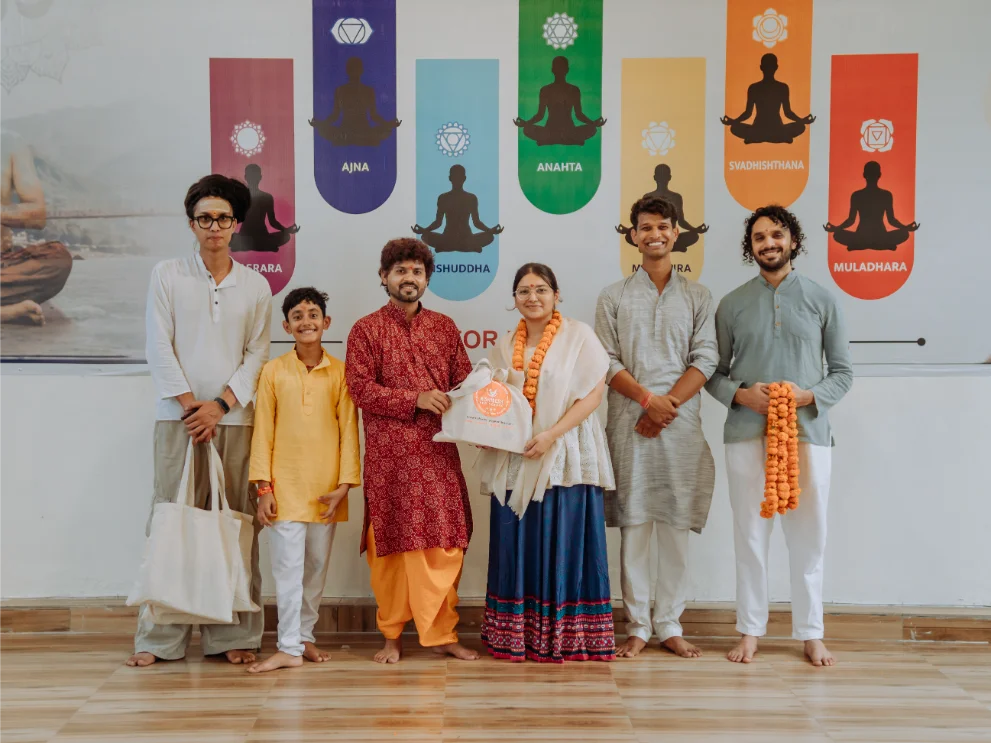
Yoga philosophy is, at heart, a philosophy of life, and understanding it changes how you practise everything else. You are introduced to the roots of the tradition — Indian and Himalayan spirituality, the major schools of Indian thought, and the ancient scriptures of yoga. The centre of this study is Patanjali’s Yoga Sutras: the eight limbs of yoga, the Yamas and Niyamas, and the path through concentration and meditation toward Samadhi. Alongside this you explore the Bhagavad Gita and the Upanishads, the science of karma, and the concepts that underpin the whole system — the chakras, nadis and kundalini, the three bodies, the five koshas and the three gunas.
Anatomy is one of the most important subjects for any yoga teacher, because it is what allows you to keep students safe. The course covers two kinds of anatomy — physical and subtle. On the physical side, you study the structure of the body, its planes and movements, the skeletal, muscular, nervous and respiratory systems, and the common issues, such as spinal deformities, that a teacher needs to recognise and work around. On the subtle side, you study the body of energy that yoga works with: the nadis, the chakras, kundalini, the panchakosha and the five elements.
Pranayama sits at the centre of traditional yoga, and it is far more than breathing exercises. In these classes you learn the science of prana — the life force behind the breath — and how working with it leads toward health, balance, steadiness of mind and, ultimately, the awakening of deeper energy. The study moves gradually and safely: first building strength and understanding, then deepening the practices, and finally advancing toward breath retention and breathing with chakra awareness. You learn the theory of prana and its functions, the correct sitting positions, and how to prepare the body before practice, and you build a personal toolkit of more than ten techniques including Nadi Shodhana, Anuloma Viloma, Bhastrika, Kapalbhati and Bhramari.
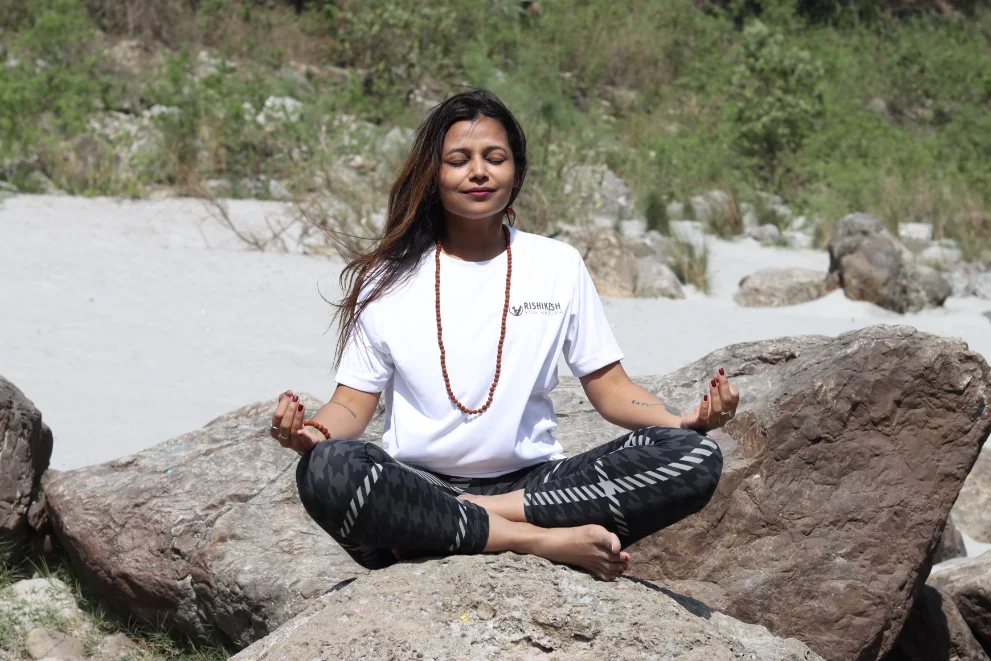
Meditation is the natural result of everything the practice prepares — a steady posture, a purified system and control over the senses all lead here. The training begins with concentration and builds progressively toward genuine meditation: first developing a foundation, then one-pointed focus and visualisation, and finally meditation techniques with chakra awareness and kundalini work. You study what meditation is and, just as usefully, what it is not — its history, philosophy and the different traditions it comes from, along with the practical questions of how to sit correctly, how to breathe, and how to relax into the practice. You are introduced to a range of methods, including Himalayan, Nada, active, tantra and kundalini, and mantra meditation, as well as the practices of Japa and silence.
Woven daily into the training alongside asana, breath and philosophy.
This is the part of the training that turns a practitioner into a teacher. Learning to do a posture and learning to teach it are two different skills, and this subject is dedicated to the second. You study how to structure and sequence a class, how to give clear instructions and demonstrations, and how to hold the attention and energy of a room. A large part of the work is practical alignment and adjustment — learning to see when a student is out of alignment and how to guide them safely back, both verbally and with hands-on correction. You also practise teaching itself, so that by the time you finish the course you have already stood in front of a group and led a class, not just imagined doing so.
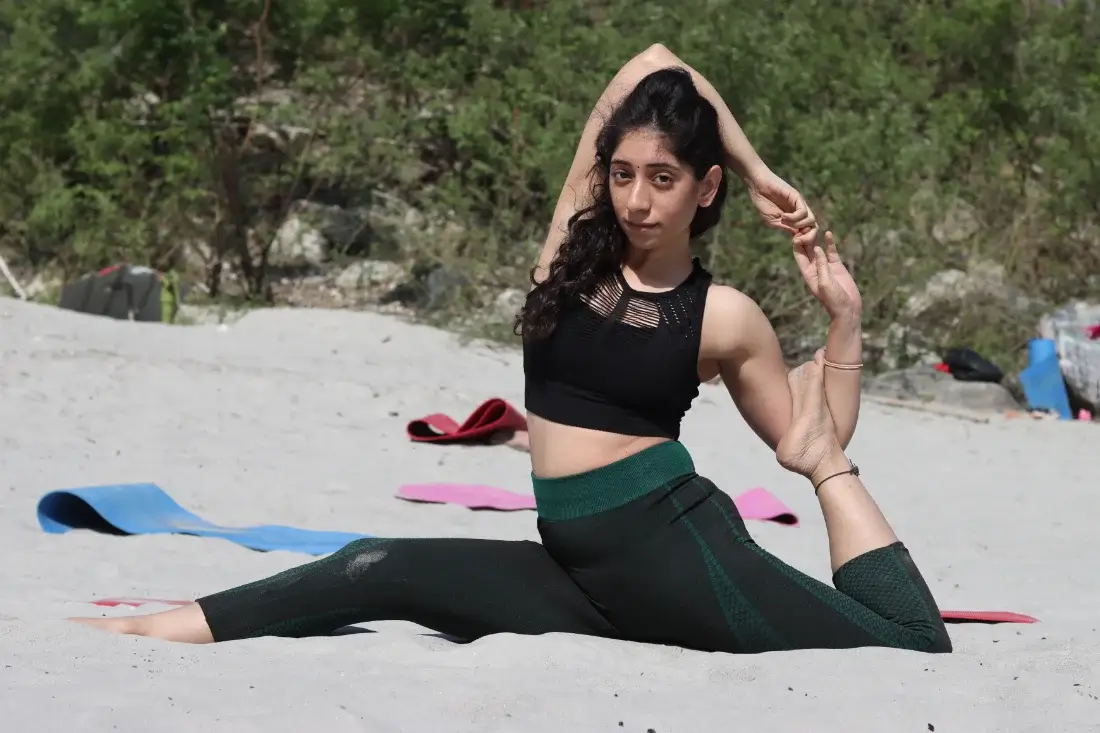
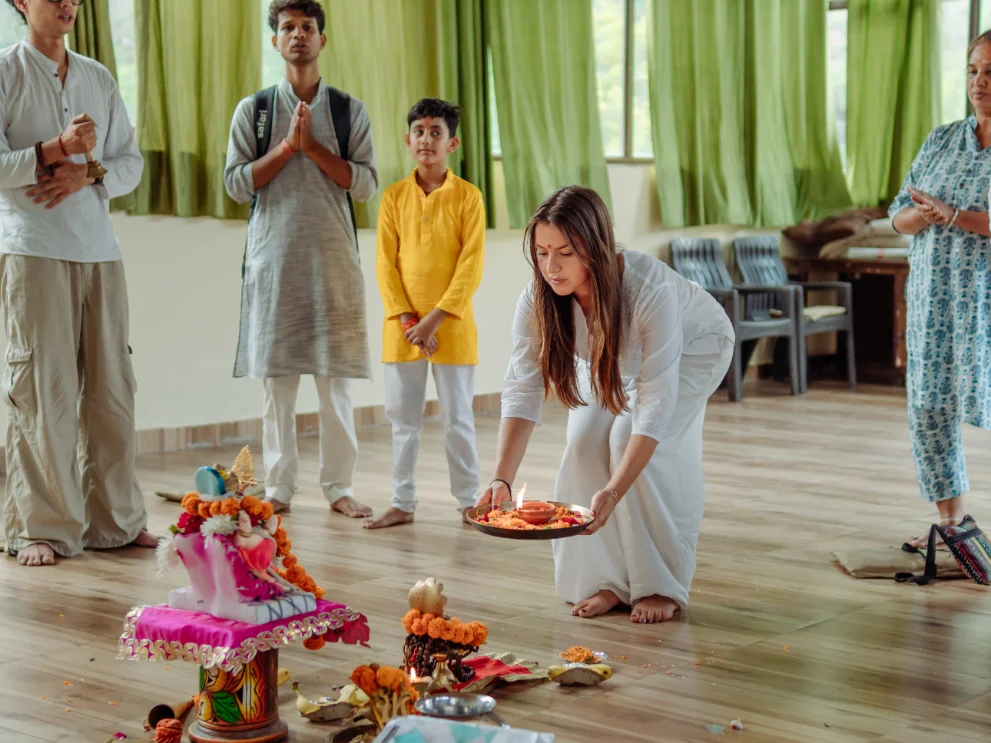
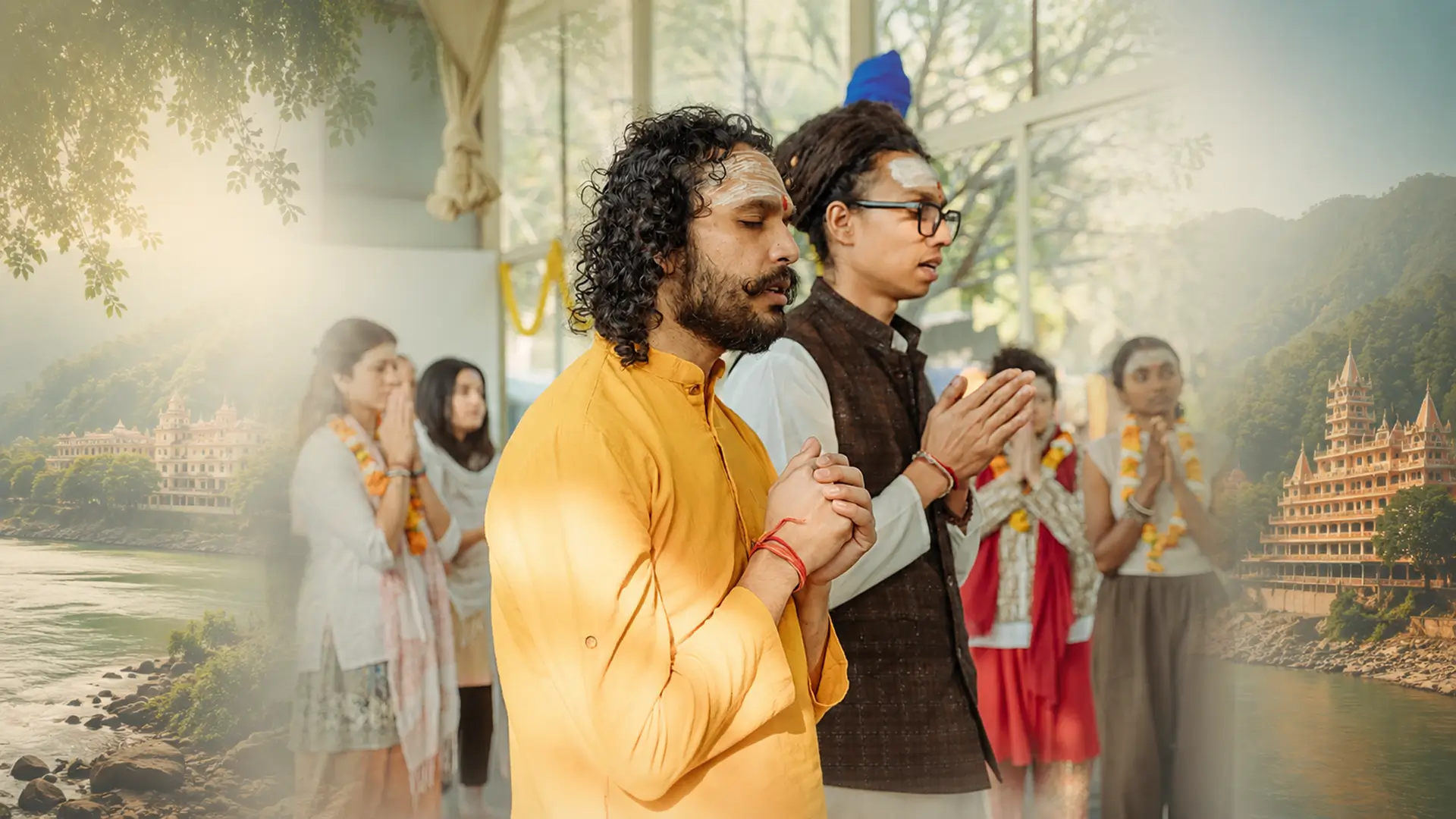
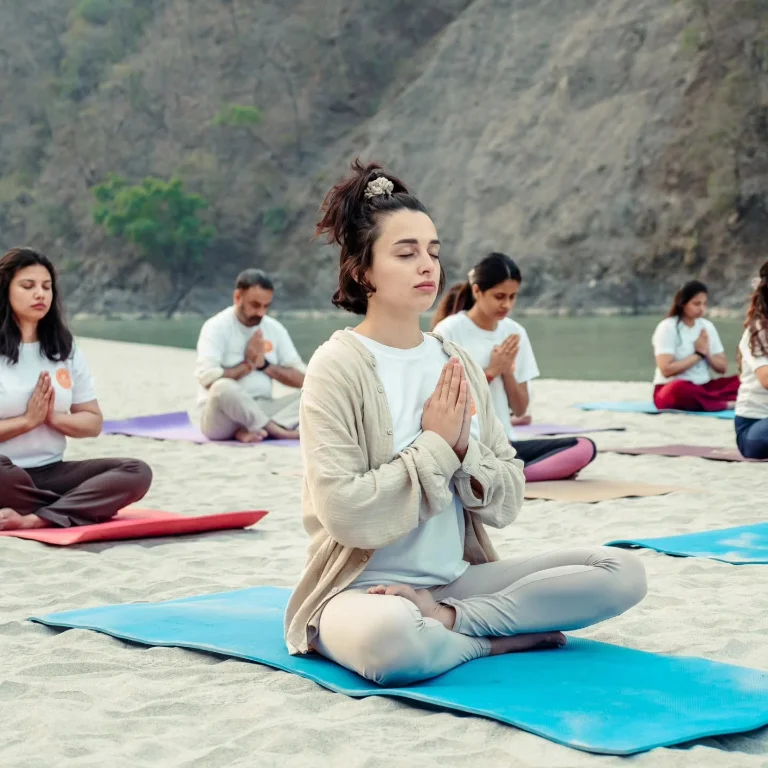
Mantra chanting is woven into daily life on the course, and it is also studied as a subject in its own right. A mantra is a set of sounds and vibrations carrying specific effects, passed down by ancient yogis and seers. You learn what a mantra is, the art and science behind it, and how its sound vibration works on the body and mind to encourage healing, calm and a sense of connection. You are introduced to a range of traditional mantras — among them the Aum, Guru, Gayatri and Shiva mantras — and, through daily chanting, you come to feel their effect rather than only understand it. For a teacher, this becomes a simple, powerful way to open and settle a class.
The body produces toxins constantly, and traditional yoga includes its own methods for cleansing them — the Shatkarmas, or six purification practices. In this part of the course you learn what these cleansing techniques are, the benefits and the risks, and, importantly, who should and should not practise each one. You are taught how to prepare for them, how to perform key practices such as Jala Neti and Kapalbhati safely, and how to follow them correctly afterward. Understood properly, Shatkarma is not an unusual ritual but a practical part of yogic health and hygiene — one that supports the breath, the nervous system and the clarity of mind that the rest of the practice depends on.
Mudras and bandhas are the subtle tools of yoga — small, precise practices that work directly with the body’s energy. A mudra is a gesture, often formed with the hands, that can bring quiet but real changes to body and mind; you learn the reasoning behind them, the position of the elements in the hands, and the guidelines for practising key mudras during meditation. A bandha, or energy lock, works with prana on a deeper level, directing and containing energy within the body. Learning to use both gives you a more complete understanding of how yoga moves energy, and adds a refined layer to your own practice and, in time, to your teaching.
A mantra is a collection of words containing specific sounds and vibrations, passed down by ancient yogis and seers. It provides significant physical, mental, and spiritual benefits. Various types of mantras are available, each serving different purposes.
You will be learning:
You’ll be introduced to various mantras that guide you on an inner journey. These mantras encourage healing, create positive vibrations within the body, and bring calmness to the mind.
To name a few:
At Rishikesh Yog Kendra Yoga School, we introduce students to the traditional Ashtanga Yoga system, focusing on synchronizing breath with movement through a structured sequence of postures. This practice helps develop strength, flexibility, concentration, discipline, and self-awareness while building a strong foundation for personal practice and teaching.
Below is the list of Ashtanga Yoga Asana Series you’ll be practicing:
Theory
At Rishikesh Yog Kendra Yoga School, we teach traditional Hatha Yoga rooted in ancient yogic wisdom. Students gradually build strength, flexibility, stability, and awareness while learning proper alignment, breath awareness, and relaxation techniques.
Below is the list of Hatha Yoga Asana Series you’ll be practicing:
Theory
At Rishikesh Yog Kendra Yoga School, students learn the fundamentals of Vinyasa Flow Yoga by linking breath with movement through safe and creative sequences. The practice develops endurance, mobility, coordination, and mindfulness.
Below is the list of Vinyasa Flow Asana Series you’ll be practicing:
Theory
Pranayama is the central practice in traditional yoga. Many people misunderstand Pranayama as the breathing practice only, but it is something more. In this class you will learn the secret of pranayama and how it leads us to health, peace, happiness, balance and awakening of kundalini.
Week 1: Building strength in your system and a step by step understanding of Pranayama.
Week 2: Move towards from beginning to a deeper understanding of Pranayama and practices.
Week 3: Move towards advancing the practices with holding the breath and breathing with chakra awareness.
We will include the practice for over 10 prana practices which include:
After stabilizing your posture with Asana, purifying your energy through Pranayama, and mastering control over your senses with Pratyahara, you’ll enhance your ability to focus the mind. The journey into meditation begins with concentration practices, and our 200-hour YTTC equips you with effective techniques to build a strong foundation, enabling you to cultivate heightened concentration and awareness.
Week 1: Developing Foundation
Week 2: Developing one-pointed focus, different types of concentration techniques, and visualization exercises
Week 3: Meditation Techniques, Also Chakra Awareness and Kundalini Meditation
The body produces toxins at all times, and we need to cleanse our bodies accordingly. Proper ablution, urination, cleaning of the nostrils, ears, eyes, skin, tongue, and other organs are very important for good health. These are physical, mental, emotional, and spiritual cleansing. In the beginning, yoga practitioners should follow six practices (Sat-Karma) by which they can unblock the channels for higher experiences. With your 200 hour yoga teacher training in Rishikesh, you will learn these cleansing practices.
You will also learn the basic theory of the following:
Yoga philosophy is the philosophy of life. Just by listening and understanding, one can change one’s own life. Yogi Vishnu learnt the secrets of Yoga philosophy from his great Master Swami Veda by spending significant time with him. His authentic teachings will be taught by our teachers in 200 hr yoga TTC in Rishikesh at Rishikesh Yog Kendra. Yoga philosophy does not only exist in the Yoga Sutra. There are hundreds of Yogic texts, and we will introduce you to a few important ones, such as the Yoga Sutra, the Bhagawat Geeta, and the Upanishad.
During these 4 weeks, Yoga Philosophy will take you on a great journey of wisdom.
Yoga Anatomy is one of the most important subjects for yoga teachers. In anatomy classes, you will learn two types of anatomy, physical and spiritual.
Mudra is a Divine gesture practiced with human hands. There are hundreds of them and they can bring miraculous changes in the body and mind with its extraordinary powers.
The whole universe is made of energy. At all times the energy is converted into matter so that we see the whole universe as what it is. Our physical body is also made of energy and it constantly works with it. With mudra we channelise the energy and with bandha we control the energy and prevent it from draining. It helps us manage and maintain the energy. It also is helpful for kundalini awakening.
There are only three Bandhas according to yoga but we will teach you many preparation techniques that will help you perform the bandhas correctly.
Learning or practicing yoga is not enough to teach. Teaching yoga is an art in which you transform people’s lives.
A proper teaching methodology will help you with:
At the end of the course, you will be evaluated and according to that, you will get the certification.
Your evaluation will be based on the following:
A gentle rhythm — from first breath at dawn to stillness at night.
* Schedule may vary slightly depending on the programme and season
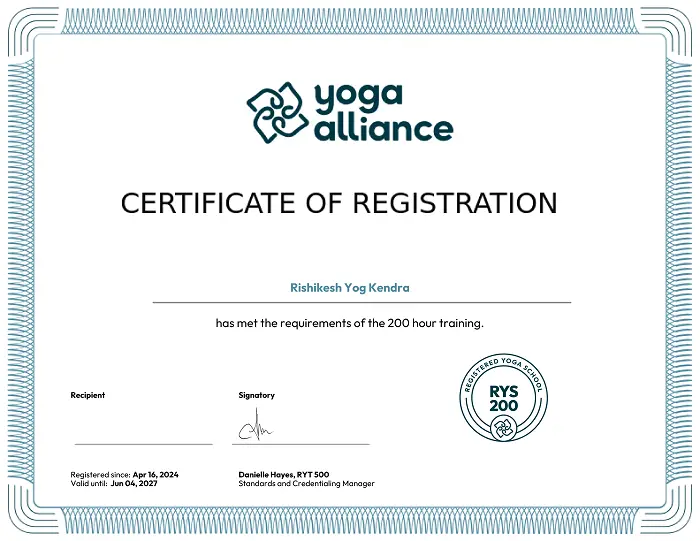
Rishikesh Yog Kendra is a Registered Yoga School with Yoga Alliance, USA, and has held that recognition for around ten years. Our 200 Hour Yoga Teacher Training in Rishikesh is built to meet the Yoga Alliance standard for a 200-hour program, which means the hours, the syllabus and the areas of study — techniques and practice, teaching methodology, anatomy, philosophy and practicum — all follow an internationally agreed framework rather than a curriculum we simply designed on our own.
It helps to know how the certification actually works, because the wording confuses many first-time students. Yoga Alliance registers schools and teachers separately. As an accredited school, we are recognised to deliver training to their standard. When you complete the course, you receive your certificate from Rishikesh Yog Kendra and become eligible to register yourself with Yoga Alliance as an RYT 200 — a Registered Yoga Teacher at the 200-hour level. That registration is something you apply for directly, and once you hold it, the credential is recognised worldwide.
For international students, this is the practical value of training here. An RYT 200 is understood by studios, retreat centres and employers across the world, so a qualification earned in Rishikesh travels home with you. Whether you want to teach in a local studio, lead classes online, or work at retreats abroad, the 200-hour registration is the baseline most of them look for.
We would rather be clear than oversell, so one honest point is worth making: the certification opens the door, but it is the depth of your training that determines how ready you are to walk through it. A recognised credential and a teacher who genuinely knows their material are not the same thing, which is why we treat the Yoga Alliance standard as the floor of what we teach, not the ceiling. You leave with both — a qualification the world recognises, and the real understanding to stand behind it.
Choose your preferred batch below. Every 200 Hour Yoga Teacher Training in Rishikesh runs the same syllabus from the 2nd to the 25th of each month, including tuition, accommodation, and three sattvic meals per day.
Secure Booking • Best Price Guarantee • Limited Spots
Here is exactly what the fee for the 200 Hour Yoga Teacher Training covers, and what it does not. The course is residential, so your stay, your meals and everything you need for daily practice are already included — and we would rather be plain about the few things that sit outside it than leave you to find out later.
Everything covered inside your program fee
Good to know before you book
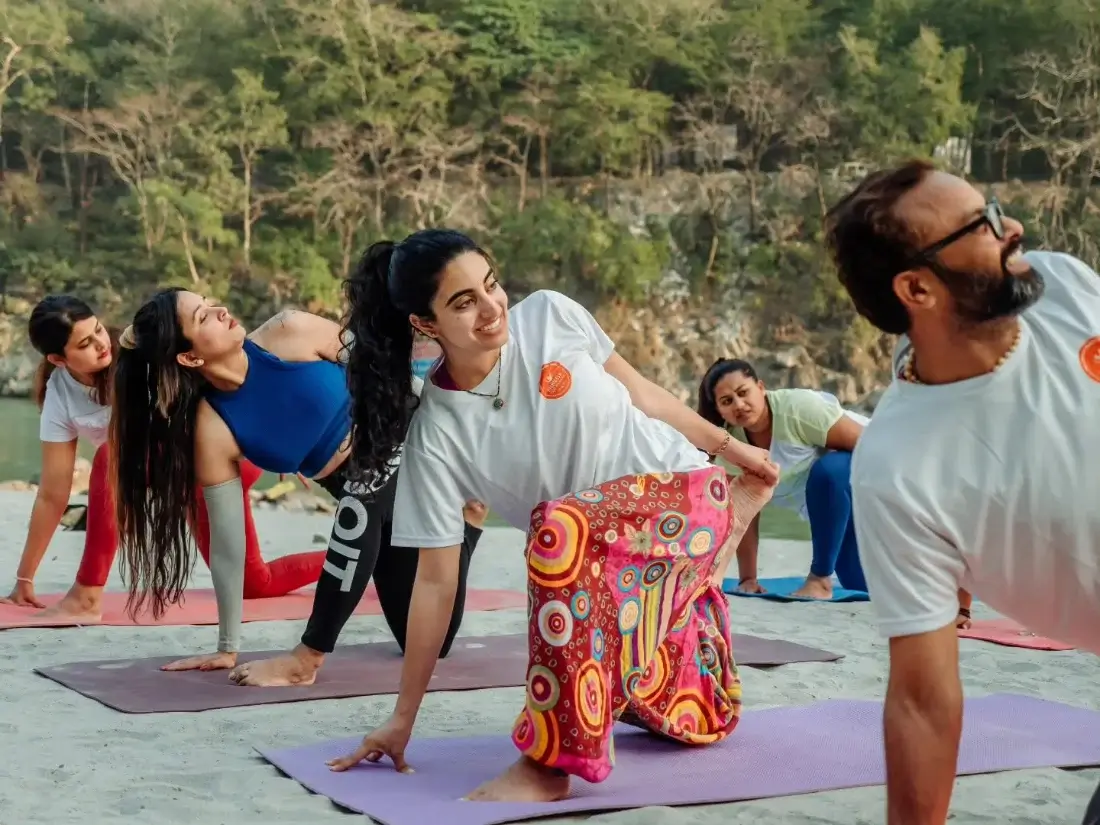
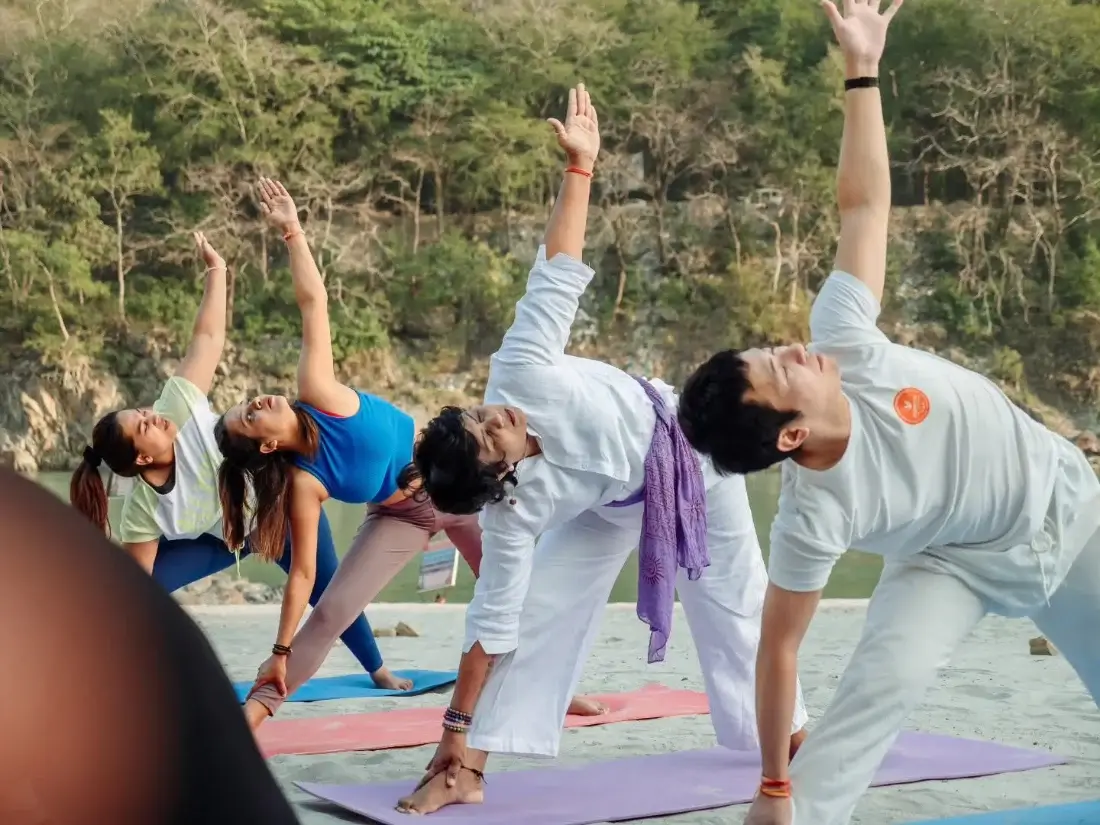
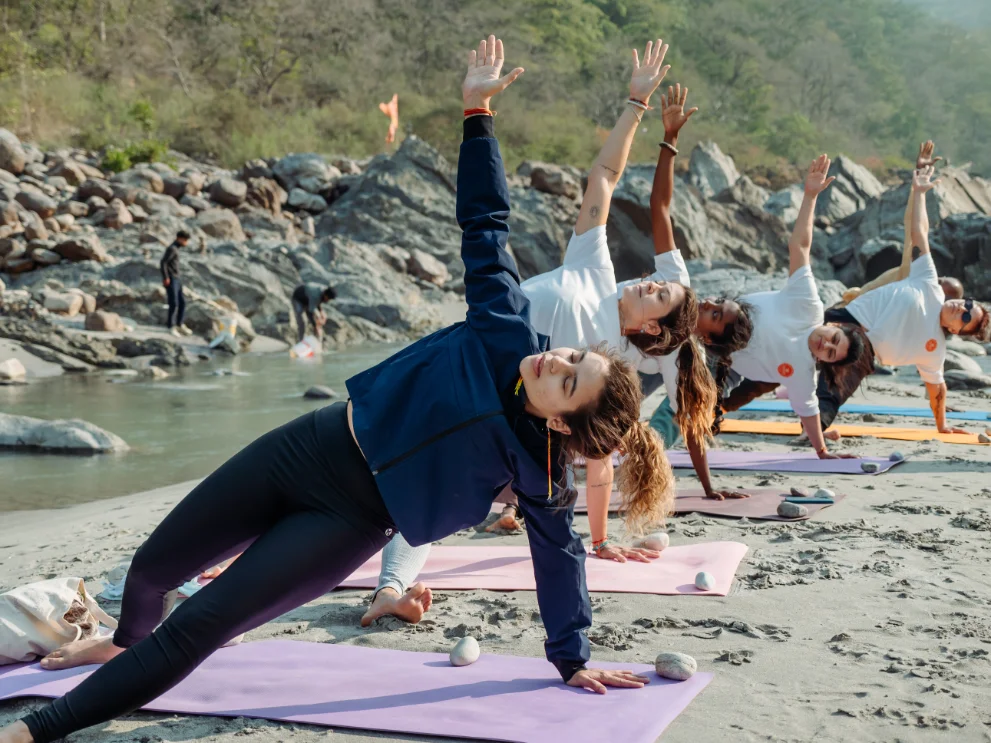
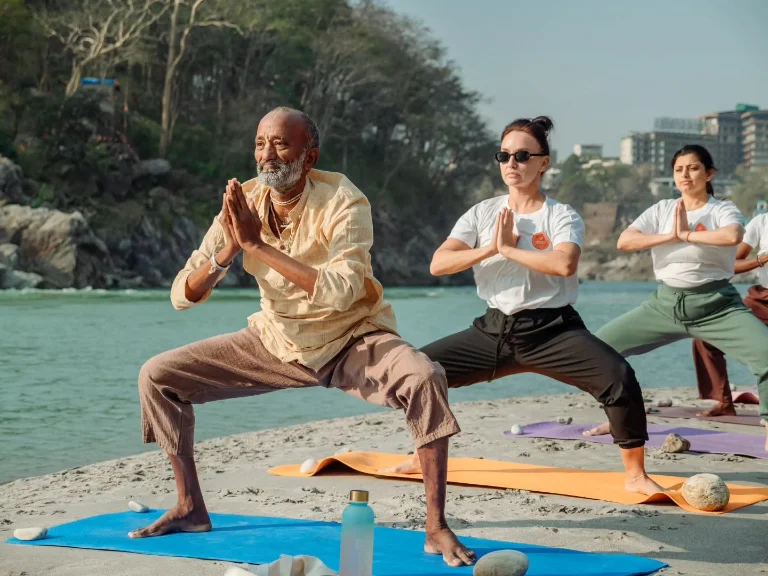
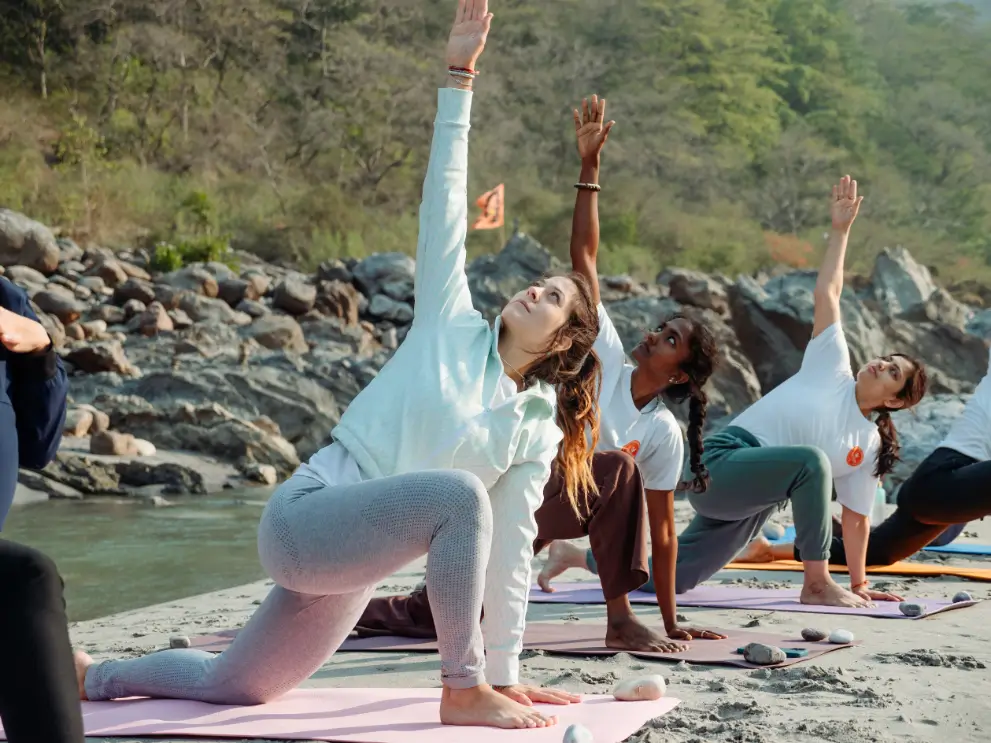
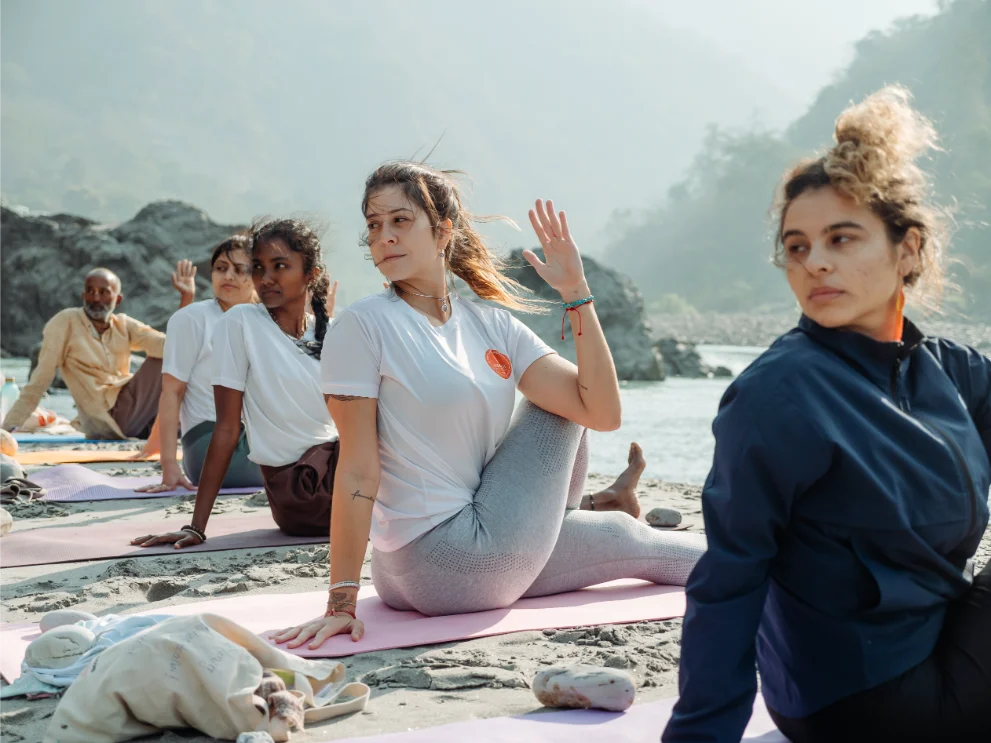
We strongly believe that a student needs practical exposure apart from book knowledge to have a great career. For the same reason, we organise weekly excursions to various holy sites as well as picturesque sites in Rishikesh. The excursions are an important part of the curriculum. You can avail yourself of the opportunities to practice yoga and meditation in some of the serene and tranquil spots in the region.
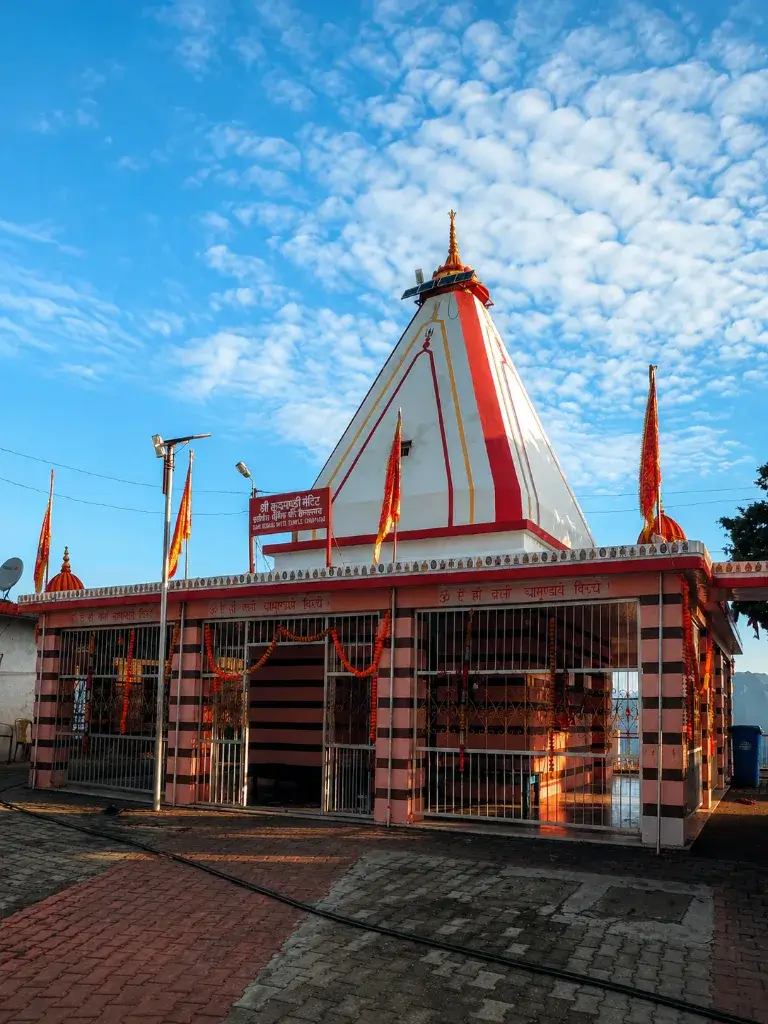
Rishikesh has some famous spots, like Kunjapuri Temple, Ganga beach, Rishi Vasishta’s Cave, and the Beatles Ashram. Many tourists also throng the region for various pursuits. You can experience the heights of spirituality at such places. Moreover, you can establish a stronger connection with nature. So, it is important for you to go on such excursions as part of your training in Rishikesh.
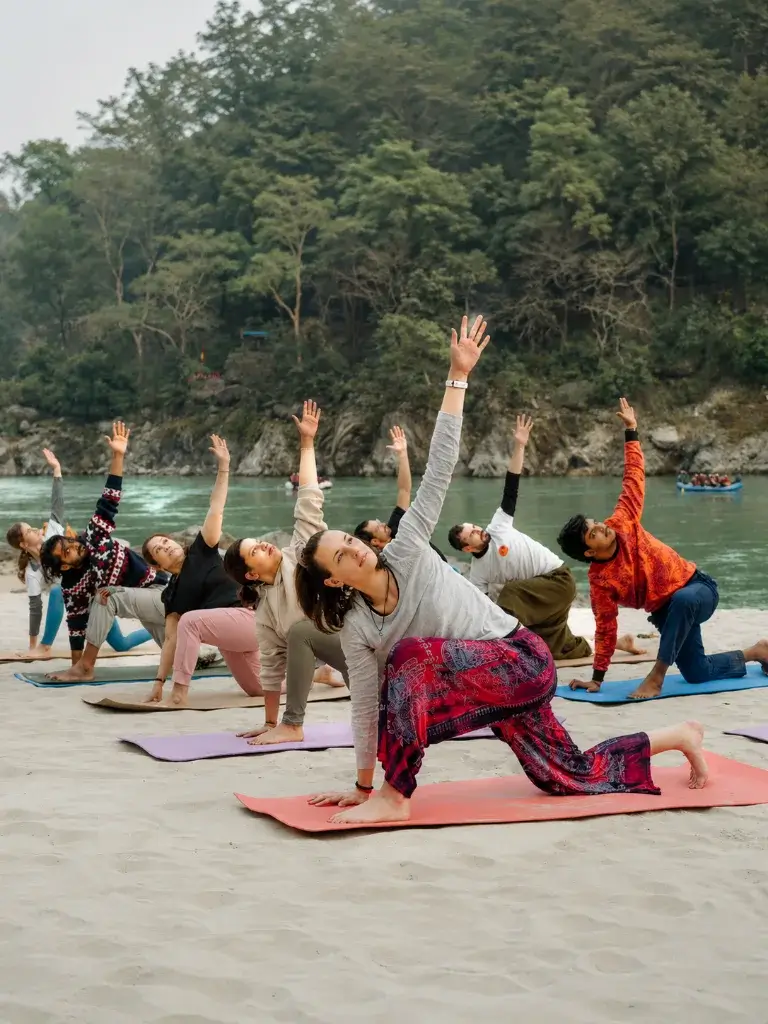
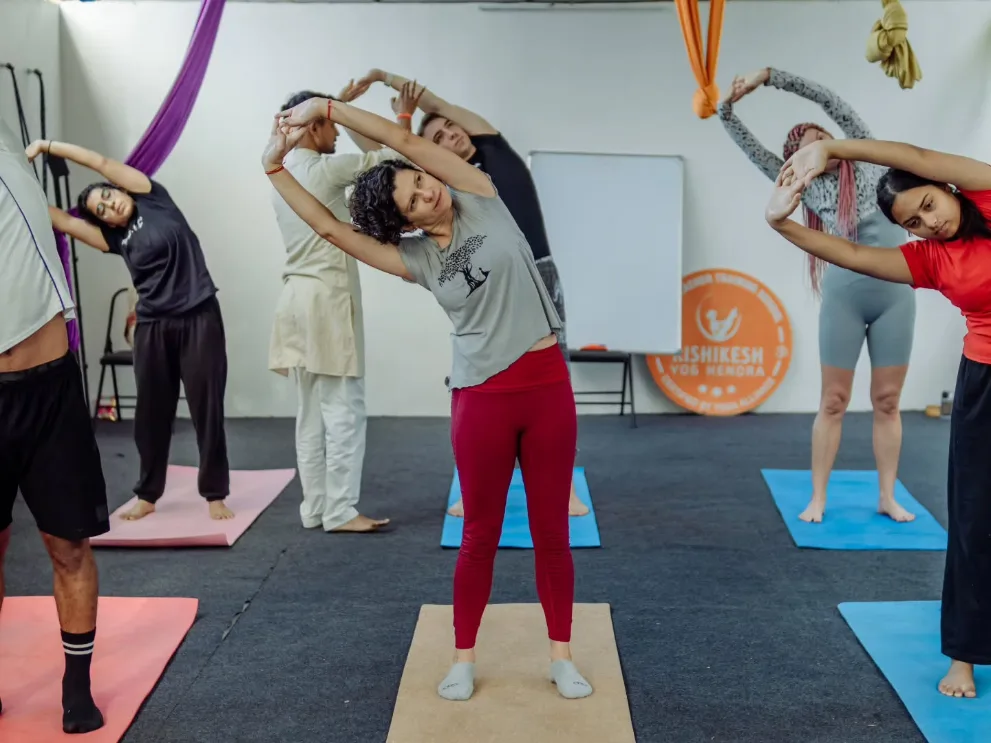
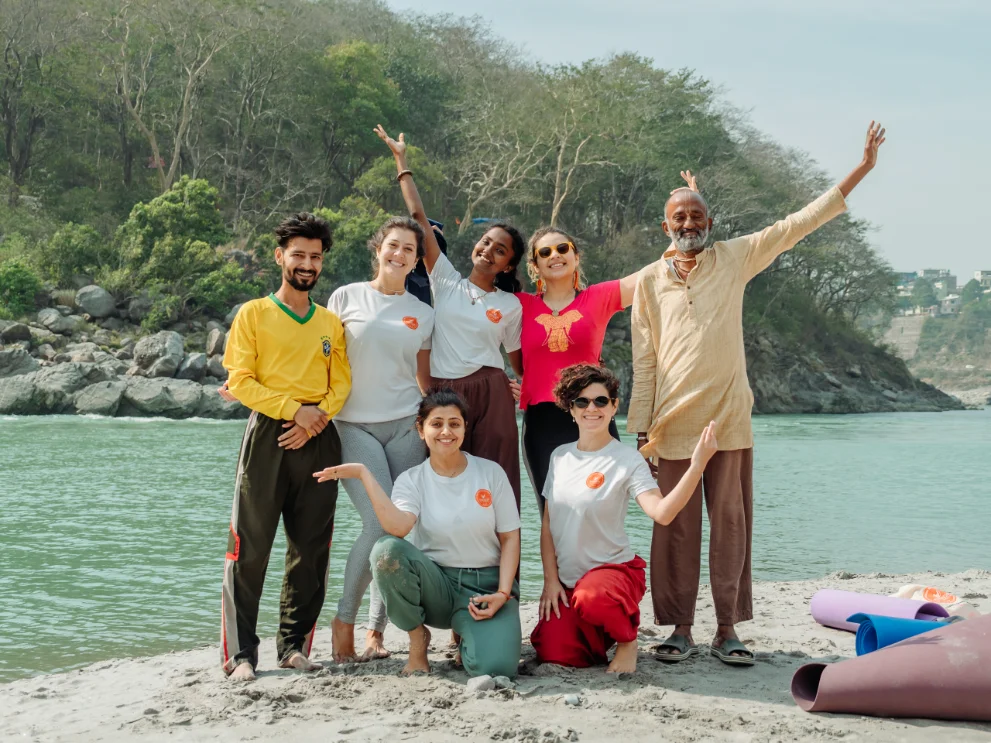
Life here is as much a part of the training as the classes themselves. Days begin early with practice, meals are simple and satvik, and there is quiet time to study, rest or walk down to the Ganga. Students arrive from all over the world and rarely leave as strangers. See it for yourself below.
You will only ever learn yoga as well as the people teaching it, so this is where the course is truly decided. Our instructors are certified teachers with years behind them — both in their own practice and in the classroom — and each brings real depth to their subject, whether that is Hatha, Vinyasa, philosophy, anatomy or meditation. Just as important, they teach with patience. They take time to explain the reasoning behind each practice, correct you personally, and answer your questions, so you grow into a confident teacher rather than someone who has only memorised a sequence. Meet the team below.
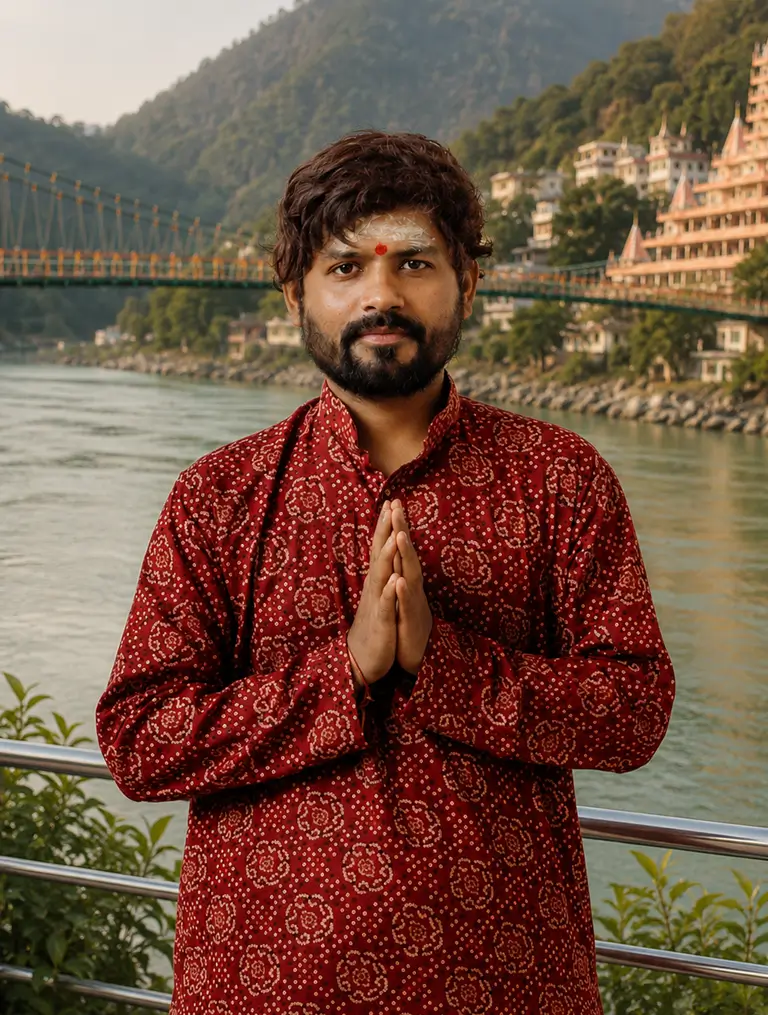
Founder · Hatha, Aerial & Ashtanga
Founder of Rishikesh Yog Kendra, Vimlesh Ji has spent more than a decade teaching Hatha, Aerial and Ashtanga yoga in the Himalayan tradition.
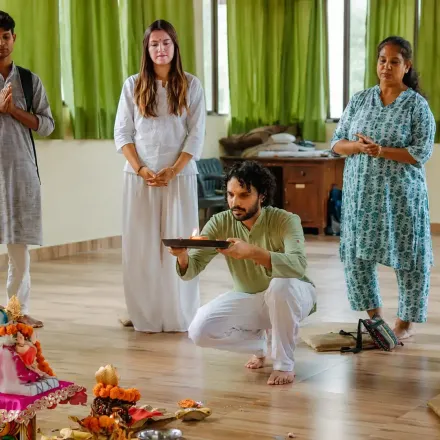
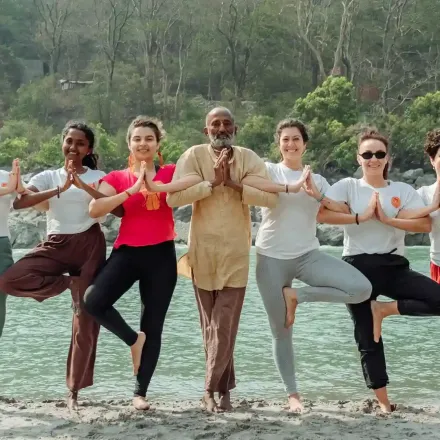
The 200 Hour Yoga Teacher Training is fully residential, and the fee covers your stay and your food. You choose a private or shared room, and three satvik vegetarian meals a day are prepared fresh — the simple, nourishing diet that supports daily practice.
Each room features an attached washroom, complimentary high-speed Wi-Fi, comfortable furnishings and scenic mountain views. Campus life is quiet and clean, with the essentials taken care of so your attention can stay on the training.
Learning also happens outside the yoga hall. Each week includes excursions into Rishikesh and its surroundings, alongside guest lectures and workshops that place the practice in its living cultural and spiritual context.
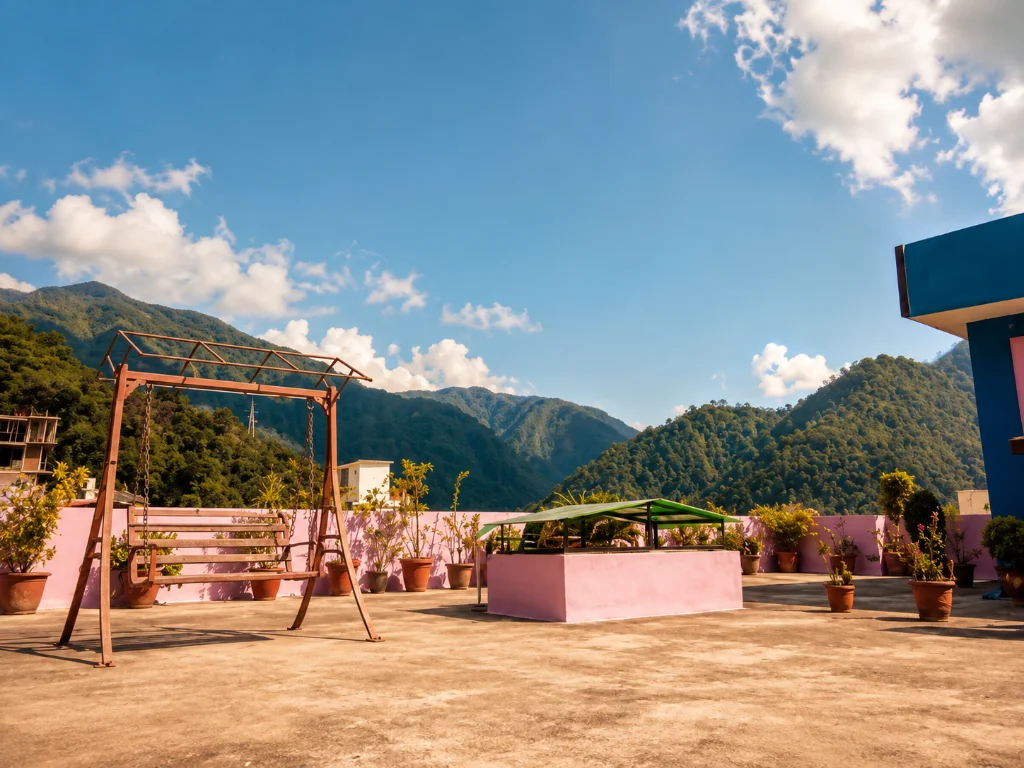
Our campus sits in the quiet foothills of the Himalayas — open practice halls, a rooftop terrace to sit out on, and the hills in full view from sunrise to dusk. Close enough to the Ganga for a morning walk, far enough for the silence a practice needs.

Clean, spacious rooms with an attached washroom and enough floor space to meditate or practise on your own. Housekeeping takes care of the rest, and you choose between a private or a shared room.

Three fresh vegetarian meals a day, along with seasonal fruits and herbal tea. Everything is cooked in the school kitchen and included in your course fee — no separate charges for food or stay.


 Nadi Roms
200 Hour Yoga TTC
Nadi Roms
200 Hour Yoga TTC
“Namaste! Recently I joined 200-course in Rishikesh Yog Kendra school and it was absolutely amazing experience! Everything was organized very well from the airport pick -up to drop off. Accommodation was nice, staff is very helpful and friendly. Our teachers are very professional and knowledgeable. 100 out of 10! Thank you everyone for such an amazing time and knowledge.”
 Chriss Christina
200 Hour Yoga TTC
Chriss Christina
200 Hour Yoga TTC
“I completed a 200-hour course in March 2026. It was very engaging, educational, and unforgettable. The atmosphere was cozy and friendly, and the people who work there in the administration and kitchen were pleasant. I want to highlight the teachers of hatha, vinyasa, anatomy, and philosophy. The power yoga and shatkarma were also fascinating. The food was nutritious and allowed me to maintain a light body and clear mind for our practices. The room was comfortable enough for solo use. A practice on the beach by the Gangа, a trip to the temple in the mountains, and a sound healing session were also organized. I recommend this school for training and plan to return next year.”
 Fausto Antonio Ramírez
200 Hour Yoga TTC
Fausto Antonio Ramírez
200 Hour Yoga TTC
“I have completed the 200-hour training at Rishikesh Yog Kendra and can sincerely say it has been a profoundly enriching and transformative experience. The program is very well structured, combining practice, theory, and close support from the entire team. From the very first day, there is a welcoming, professional atmosphere, full of respect for the tradition of yoga. I want to especially highlight the yoga philosophy teacher, whose classes were simply exceptional. His way of explaining profound texts and concepts, making them accessible and relevant to everyday life, made a huge difference in my understanding of yoga beyond the physical practice. Thanks to him, my vision of yoga became much more complete and conscious. The Asana classes were special, helping me to better understand my body and how it works. The anatomy teacher complemented the training, allowing me to learn about each part of the body that is activated by the practice of asanas. I am leaving not only with solid knowledge but also with a very valuable human experience. I wholeheartedly recommend this school to anyone who wants to train seriously and experience yoga authentically.”
“I have completed 200 hours and 50 hours arieal yoga teacher training course here. (Rishikesh yoga kendra). The intensive training here for nearly a month is very, fulfilling and satisfying. I am really lucky to meet many proffessional teachers here. ( Rishikesh yoga kendra). which makes me more confident. The teacher’s are very proffessional and patient the courses are solid hatha, Anatomy, Asthanga, vinyasa, meditation, and philosophy. Give us in depth and pratical knowledge. Very good at listening to students voices. Enjoy class every day. Thanku very much.”
“I completed my 200-hour yoga teacher training at Rishikesh Yog Kendra, and it was a truly wonderful experience. The peaceful environment, surrounded by greenery and open space, created the perfect setting for learning and self-growth. We started each day with calming meditation at 6:30 AM and ended with energetic yoga classes in the evening, where we learned various asanas. The open cafeteria was a lovely space to relax and connect with others. Most importantly, I learned the discipline of life, which has helped me a lot personally. I’m truly grateful for this journey.”
 Ana Rita Fernandes
200 Hour Yoga TTC
Ana Rita Fernandes
200 Hour Yoga TTC
“Completing my 200-hour YTT at Rishikesh Yog Kendra was a truly transformative experience. The school created a nurturing and authentic environment that allowed me to deepen not only my physical practice but also my understanding of yoga as a holistic lifestyle. The teachers are incredibly knowledgeable and passionate, each bringing a unique energy to their classes. From traditional Hatha and Ashtanga to philosophy, anatomy, pranayama, and meditation. The curriculum felt well rounded and thoughtfully designed. I especially appreciated the emphasis on alignment, teaching methodology, and the philosophical roots of yoga, which helped ground the entire experience. The location itself, nestled in the heart of Rishikesh, was peaceful yet accessible, with the Ganga and temples close by. A perfect backdrop for introspection and learning. The food was nourishing, the accommodation was simple but clean and comfortable, and the overall atmosphere felt like a second home. The food was good but I felt it could offer more variety including protein options and fruit. What stood out most for me was the genuine care and warmth of the staff and teachers. They go out of their way to support each student’s journey. I left the course feeling stronger, more connected, and inspired to share yoga with integrity and heart. I would wholeheartedly recommend Rishikesh Yog Kendra to anyone seeking an authentic and enriching yoga teacher training experience in India.”
“I completed my 200hrs YTTC from rishikesh yog kendra and honestly it had been an amazing journey here. The faculties, the management, the cleaning staffs and ofcourse the chef uncle are very friendly, understanding and the best one could ever get. It is rightly said that you don’t choose rishikesh, Rishikesh chooses you. RYK is highly recommended to someone who’s looking to do their YTTC. Please visit RYK to experience the authentic and transformative journey of your life.”
Ready to begin your own practice? Apply for a course.
 Hatha Yoga Pradipika
Download
Hatha Yoga Pradipika
Download
 The Gheranda Samhita
Download
The Gheranda Samhita
Download
 Inside the Yoga Sutras
Download
Inside the Yoga Sutras
Download
 Bhagavad Gita
Download
Bhagavad Gita
Download
 Raja Yoga
Download
Raja Yoga
Download
 The Royal Path
Download
The Royal Path
Download
 Yoga Anatomy
Download
Yoga Anatomy
Download
 Asana Pranayama Mudra Bandha
Download
Asana Pranayama Mudra Bandha
Download
 Ajna Chakra
Download
Ajna Chakra
Download
 Moola Bandha
Download
Moola Bandha
Download
 Prana and Pranayama
Download
Prana and Pranayama
Download
 Tattwa Shuddhi
Download
Tattwa Shuddhi
Download
 Path of Fire and Light
Download
Path of Fire and Light
Download
 Ayurveda Encyclopedia
Download
Ayurveda Encyclopedia
Download
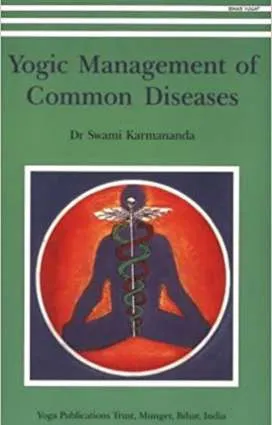 Yogic Management of Common Diseases
Download
Yogic Management of Common Diseases
Download
No. The 200 Hour Yoga Teacher Training in Rishikesh is a foundation-level course, and a large number of our students arrive as complete beginners. The first days start from the very basics — how to stand in a posture, how to breathe, and the vocabulary of the practice — before anything more demanding is introduced. What matters far more than experience is your willingness to practise every day and stay open to learning. That said, if you already have a regular practice, you will not be held back; the same material simply opens into greater depth for you.
Think of them as steps on the same path. The 100 hour course is a short foundation program, ideal if you have limited time or want to test the waters, and it carries a school certificate. The 200 hour course is the internationally recognised starting point for teaching and leads to RYT 200. The 300 hour course is an advanced training for those who already hold a 200-hour qualification, leading to RYT 300. A 500-hour qualification is not usually a single course but the combination of a completed 200 and 300 hour training, which together allow you to register as RYT 500. For most people beginning their journey, the 200 hour course is the right place to start.
Pack light and practically. Comfortable clothing you can practise in, a warm layer for early mornings and cooler months, personal toiletries and any personal medication are the essentials. Yoga materials and props are provided, so you do not need to bring your own unless you particularly prefer your own mat. Modest, comfortable clothing is appropriate both on campus and when visiting temples during excursions. Once your place is confirmed, we can share a simple suggested packing list so nothing important is forgotten.
Rishikesh is one of India’s most established destinations for international yoga students, and many people travel here alone, including a great many women. Our training is residential, so you are staying within a settled campus among a small group of fellow students and staff rather than arriving somewhere unfamiliar on your own. As anywhere, common sense and normal travel awareness apply, but solo students very quickly find themselves part of a close group. If safety is on your mind, you are welcome to ask us anything specific before you book.
Most international students travel to India on a tourist visa, and many nationalities are eligible for the Indian e-Visa, which can be arranged online before you travel. Visa rules vary by country and do change, so the reliable step is to check the current requirements with your nearest Indian embassy or the official Indian visa website before booking your flights. If you need a confirmation or enrolment letter from the school for your application, we are happy to provide one once your place is booked.
Yes. The 200 hour qualification is the internationally recognised starting point for teaching, and once you have registered as an RYT 200, that credential is understood by studios and employers around the world. Graduates go on to teach at yoga studios and gyms, lead their own community or private classes, teach online, or work at retreat centres and wellness resorts. Some build teaching into an existing career in fitness, therapy or wellness. Just as importantly, the course gives you the practical teaching skills — sequencing, cueing and adjustment — to actually stand in front of a class, not only the certificate that permits it.
From Delhi to your mat in Tapovan — by air, rail, road or bus, here is every way students make their way to us.
Jolly Grant Airport, about 25 km from Rishikesh, has daily flights from Delhi. We can arrange a cab from the airport to the school for an additional fee.
Daily trains connect Delhi to Haridwar railway station. Once you arrive at Haridwar, we can organise a pickup for you at a reasonable charge.
We can also arrange a cab to bring you the whole way from Delhi to the school in Rishikesh, for a reasonable fee.
Buses run from Delhi to Rishikesh bus stand through the day. On arrival we can arrange a cab for the short hop to the school.
 Chat on WhatsApp



Fill the form below to begin your yoga journey





 What's Included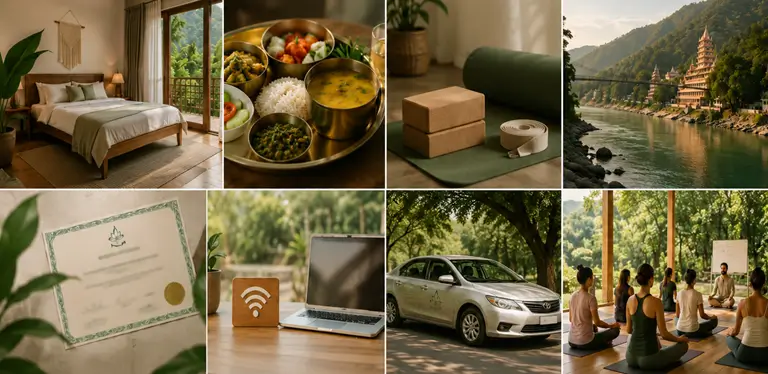


 & Campus Life