Español



Mantra & Mantra Chanting
Course Highlights
300 Hrs YTTC Fee
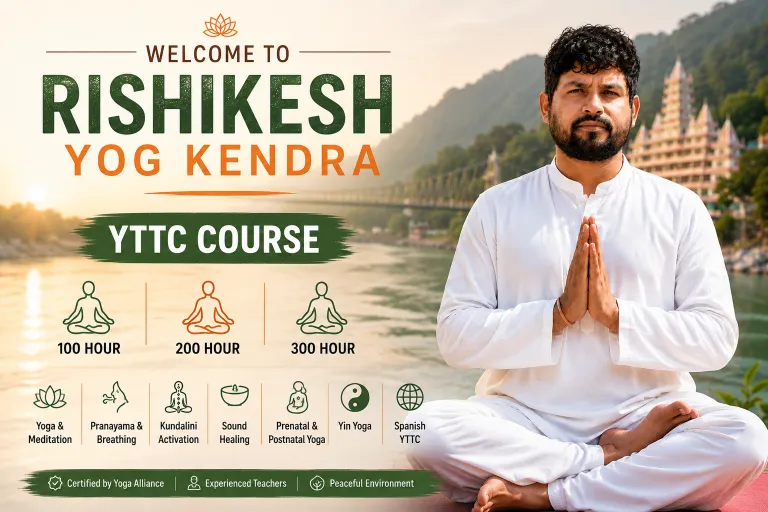
28 DaysOur 300 Hour Yoga Teacher Training in Rishikesh is designed for certified yoga teachers who want to deepen their practice, refine their teaching skills, and expand their understanding of traditional yoga. Conducted at Rishikesh Yog Kendra, a Yoga Alliance USA Registered Yoga School (RYS), this advanced residential programme combines traditional Hatha Yoga, Ashtanga Vinyasa Yoga, yoga philosophy, anatomy, pranayama, meditation, and teaching methodology under the guidance of experienced Indian yoga teachers. Upon successful completion, eligible graduates can apply for the RYT 500 credential with Yoga Alliance by combining their previous 200-hour certification with this 300-hour training.
At Rishikesh Yog Kendra, the course runs over 28 days on a residential campus in Rishikesh, the town in northern India where yoga has been studied and taught for generations. Training here means learning within the tradition itself, in a setting built around daily practice rather than around a weekly class.
The focus of this Advanced Yoga Teacher Training is Ashtanga and Vinyasa yoga, studied alongside deeper work in philosophy, anatomy, sequencing and teaching method. Because the course assumes a solid foundation, it moves at a more demanding pace than a 200-hour program and leaves more room for refinement — cleaner alignment, more confident sequencing, and a clearer understanding of why each practice works.
Groups are deliberately small, with a maximum of ten students, so teaching is close and personal throughout. As a Yoga Alliance registered course, it prepares graduates to register as an RYT 300.
Whether you are a certified teacher wanting to strengthen your skills or a committed practitioner ready for the next level, this page explains what the 300 hour course covers, who it suits, and what your month in Rishikesh will involve.
The 300 Hour Yoga Teacher Training is an advanced, 28-day residential course for those who have already completed a 200-hour training and want to deepen their practice and teaching. At Rishikesh Yog Kendra, it builds directly on that foundation, taking students from an intermediate level toward genuine command of both their own practice and the classroom.
This course is meant for a specific stage in a teacher’s journey. It suits certified yoga teachers who want to sharpen their teaching, as well as dedicated practitioners looking to refine their personal practice and broaden their knowledge of yoga philosophy, anatomy and sequencing. A completed 200-hour certification is the expected starting point, which is what allows the training to move beyond the basics.
The heart of the course is Ashtanga and Vinyasa yoga, explored in far greater depth than a foundation program allows. Alongside the physical practice, you study advanced pranayama, meditation, philosophy and anatomy, and you spend real time on the craft of teaching sequencing intelligent classes, refining alignment, and guiding students with confidence. Once you complete a 200 and a 300 hour training, you become eligible to register with Yoga Alliance as an RYT 500 — the highest of the standard registration levels — so this course also completes the path to that credential.
Because everything is residential, your stay and meals are part of the experience rather than a separate arrangement. Because students live together throughout the 28 days, discussions often continue after class over meals and evening study sessions. The sections below explain who the course is right for, what you will learn, and how each day is structured.
The 300 Hour Yoga Teacher Training is intended for practitioners who have already completed a 200-hour course and are prepared to advance both their personal practice and their teaching. As an advanced program, it assumes an established foundation rather than an introductory one, and it is best suited to those who have reached that stage of their development.
This Course Is Ideal If You:
It is equally important to clarify for whom this course is not intended. Candidates who are entirely new to yoga, or who have not undertaken a structured teacher training, should not begin at this level. The 200 Hour Yoga Teacher Training is designed for that purpose and provides the foundation upon which this program is built. Commencing an advanced course without that grounding would place a student at a disadvantage rather than an advantage.
Prospective students should also be prepared for the demands of the program. This is an intensive, residential course of 28 days, comprising full days of practice and study, and it proceeds at a faster pace than a foundation course because it presumes prior knowledge of the fundamentals. A flawless practice is not expected; however, a genuine and well-established practice, together with a readiness to be challenged, is essential.
For those who meet these conditions, the 300 Hour Yoga Teacher Training in Rishikesh is structured precisely for their stage of progression. With enrolment limited to a maximum of ten students, the teaching can be closely adapted to each participant’s individual needs.
Choosing the right yoga teacher training is an important decision. Speak with our Course Advisor to discuss the curriculum, daily schedule, accommodation, fees, and everything you need to know before joining. We're here to make your journey simple and stress-free.
Connect on WhatsApp Chat with our course advisorGet a reply within 15 minutes during working hours
Selecting an advanced course is a considered decision, and at this level the quality of instruction and the closeness of mentorship matter far more than they do at the foundation stage. The following distinctions define the 300 Hour Yoga Teacher Training at Rishikesh Yog Kendra.
Enrolment is limited to a maximum of ten students. Advanced training depends on precise, individual correction, and a group of this size allows each participant to receive close, personal guidance throughout the course, an advantage that larger programs cannot offer.
The course centres on Ashtanga and Vinyasa yoga, studied in considerably greater depth than a foundation program permits, and extends into advanced pranayama, meditation, philosophy, anatomy and sequencing. The emphasis throughout is on refinement and understanding rather than on introducing new material for the first time.
Learn from experienced Indian yoga teachers at a Yoga Alliance Registered Yoga School in Rishikesh, where the curriculum follows internationally recognised standards while remaining rooted in the traditional teachings of Hatha and Ashtanga Yoga. Instruction is led by instructors who have guided students from more than 18 countries over the past decade. At the advanced level, their role is not merely to demonstrate but to explain the reasoning behind each teaching decision, enabling students to develop independent judgement as teachers.
As a school registered with Yoga Alliance, USA, Rishikesh Yog Kendra prepares graduates to register as an RYT 300. For those who have already completed a 200-hour training, this course also completes the pathway to RYT 500, the highest of the standard registration levels.
The school has conducted teacher training for approximately ten years. This continuity has produced a settled faculty and a curriculum refined through many cohorts of students from varied backgrounds and traditions.
The 28-day course is fully residential, with accommodation and three satvik vegetarian meals provided each day, and instruction delivered in English, Hindi & Spanish. Living on campus for the duration keeps students close to their teachers and their practice, which an advanced training requires.
The course is conducted in Rishikesh, where yoga has been studied and transmitted for generations. Training within this tradition allows students to refine their practice in the environment that shaped it.
Taken together, these qualities are intended to serve a particular purpose: to help an already-capable practitioner become a confident, well-grounded and genuinely skilled teacher. Rather than relying on assurances, the school prefers that the standard of its instruction, the intimacy of its groups and the integrity of the experience speak for themselves.
Short clips our students recorded at the end of their training in Rishikesh.
At the 300 hour level, learning is less about acquiring the fundamentals and more about refining them. The training is organised around the same core areas as a foundation course, but each is carried further — studied not only as a personal practice but as something you must be able to teach with confidence. The following is a brief overview of what each area covers; the complete curriculum is set out in the next section.
At the advanced level, Hatha study moves beyond performing postures toward refining and teaching them with precision. You work with more demanding asanas, longer and steadier holds, and the subtler points of alignment that a foundation course only introduces. Attention is given to the therapeutic applications of the practice — how particular postures affect the body and how they can be adapted for different students. The aim is to prepare you to guide others safely through advanced work, not simply to perform it yourself.
Ashtanga and Vinyasa form the core of the 300 hour course, studied as both a personal discipline and a teaching craft. You develop greater command of the dynamic, breath-linked sequences that define the style, with cleaner transitions and more controlled movement. Equal weight is given to sequencing — how an intelligent flow class is built and shaped for different levels and intentions. You also refine the skill of teaching a moving class, maintaining rhythm and adjusting students safely while the practice is in motion.
Philosophy is studied with greater rigour at this level and applied directly to the work of teaching. You revisit the Yoga Sutras of Patanjali in closer detail and explore texts such as the Bhagavad Gita and the Upanishads. The focus moves from familiarity with the concepts toward the ability to interpret and convey them clearly. A teacher who understands the philosophy behind the practice can offer students far more than a sequence of postures, and this study is what makes that possible.
Advanced anatomy concentrates on the practical knowledge a teacher needs to keep students safe in a more demanding practice. You study the biomechanics of complex postures, the common patterns of strain and injury, and how a practice can be modified for individual bodies. Alongside the physical body, you deepen your understanding of the subtle anatomy of yoga — the nadis, chakras and koshas. This combined knowledge allows you to sequence advanced classes intelligently and explain the reasoning behind them.
Pranayama extends into more advanced and carefully supervised practice at the 300 hour level. Building on techniques already familiar from earlier training, you work toward greater control of the breath, including retention and its integration with the energy locks. The study connects the practice more closely with chakra awareness and the movement of prana through the subtle body. Because advanced breathwork carries greater effect, particular emphasis is placed on correct method and on the guidance a teacher must provide.
Meditation study deepens from the establishment of focus toward more sustained and refined practice. You explore a wider range of techniques, including concentration, visualisation and meditation that works with the chakras and subtle energy. Time is given to strengthening your own capacity for stillness over longer periods. You also learn how to teach meditation, introducing it clearly and guiding students of differing experience with sensitivity and skill.
Mudras and bandhas are the refined tools of yoga, working directly with the body’s energy. A mudra is a precise gesture that subtly influences its flow, while a bandha, or energy lock, directs and contains that energy at a deeper level. You study the principal bandhas — Mula, Uddiyana and Jalandhara — and how they integrate with pranayama and meditation to deepen the practice. Because these techniques work with the subtle body, care is given to correct method and to teaching them safely to your own students.
Sanskrit is the traditional language of yoga, and a working command of it is part of teaching the practice authentically. You become familiar with the Sanskrit names of the asanas, pranayama and philosophical concepts, along with their correct pronunciation and meaning. In the Ashtanga and Vinyasa tradition especially, understanding the Sanskrit vinyasa count supports accurate and rhythmic teaching of the sequences. Rather than memorisation for its own sake, this knowledge lets you teach with precision and connect students to the origins of the practice.
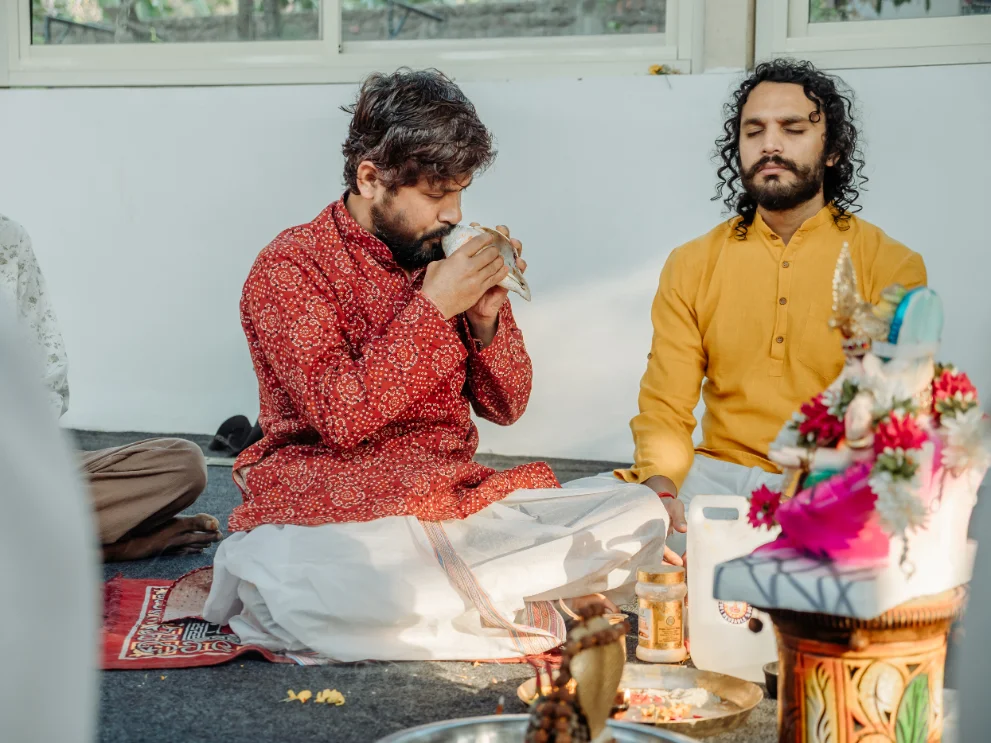
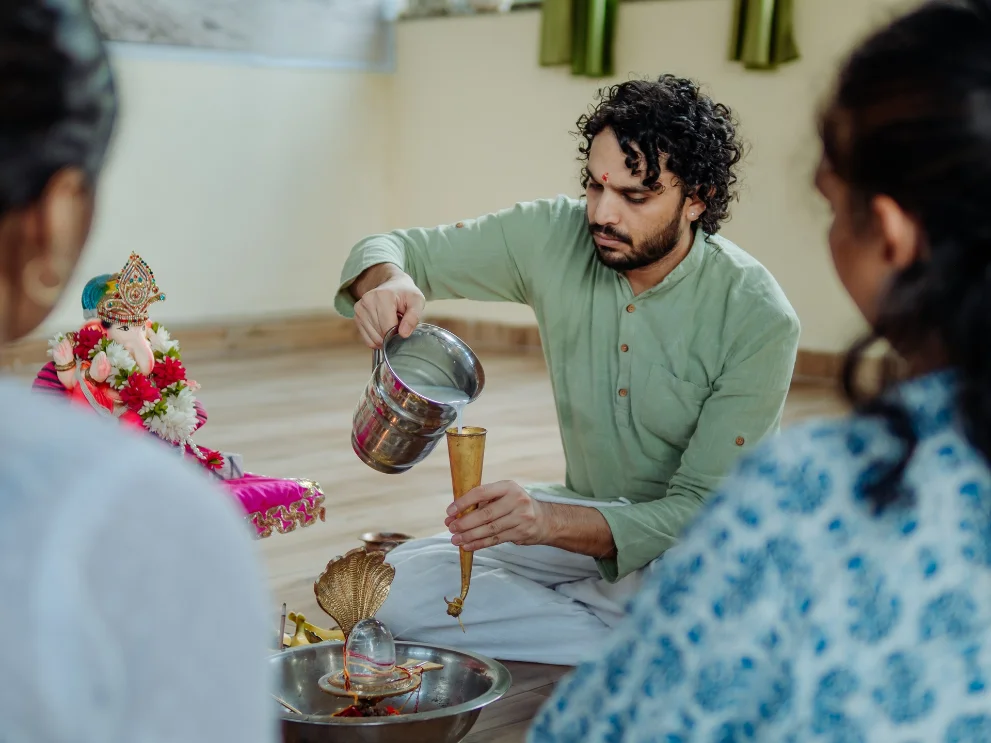
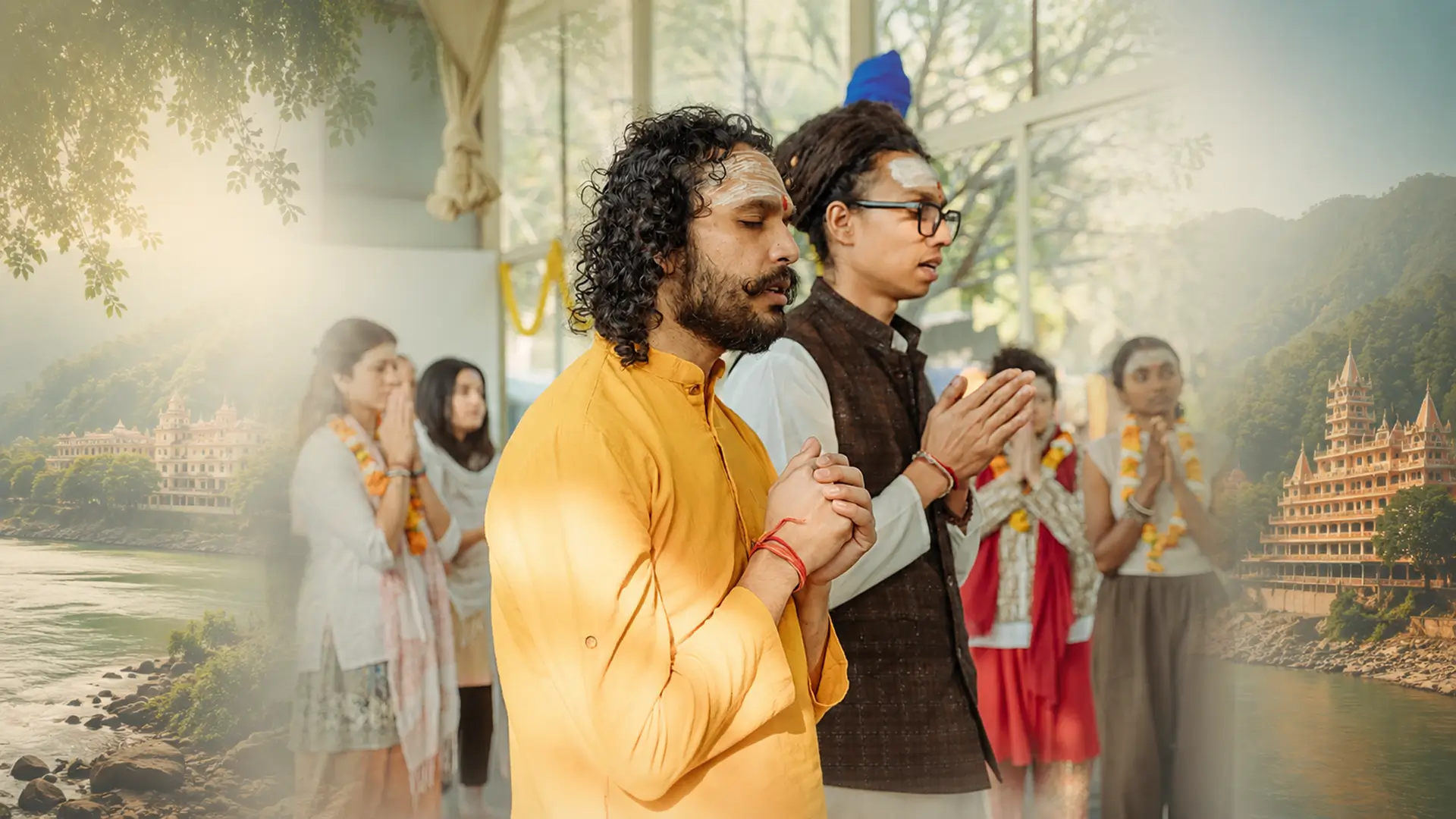
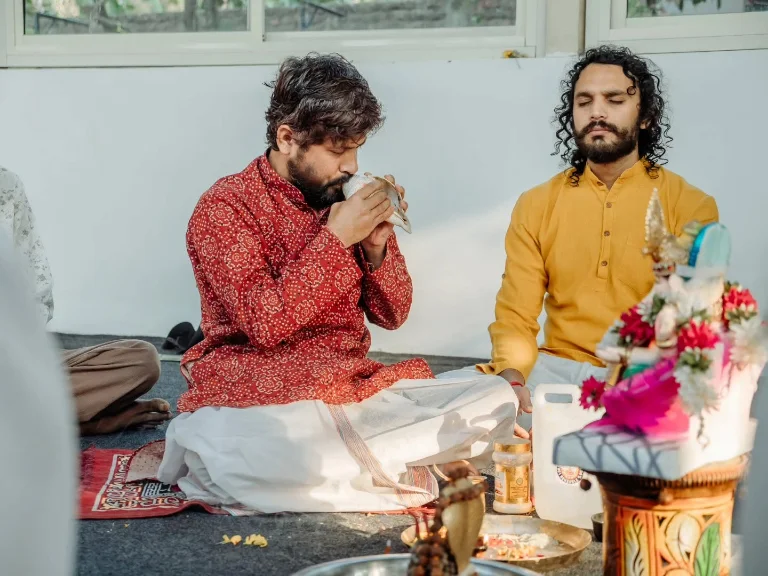
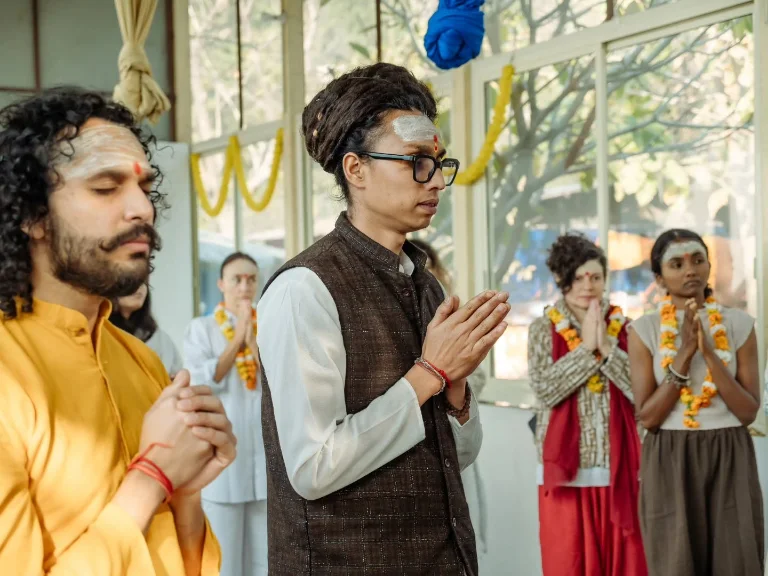
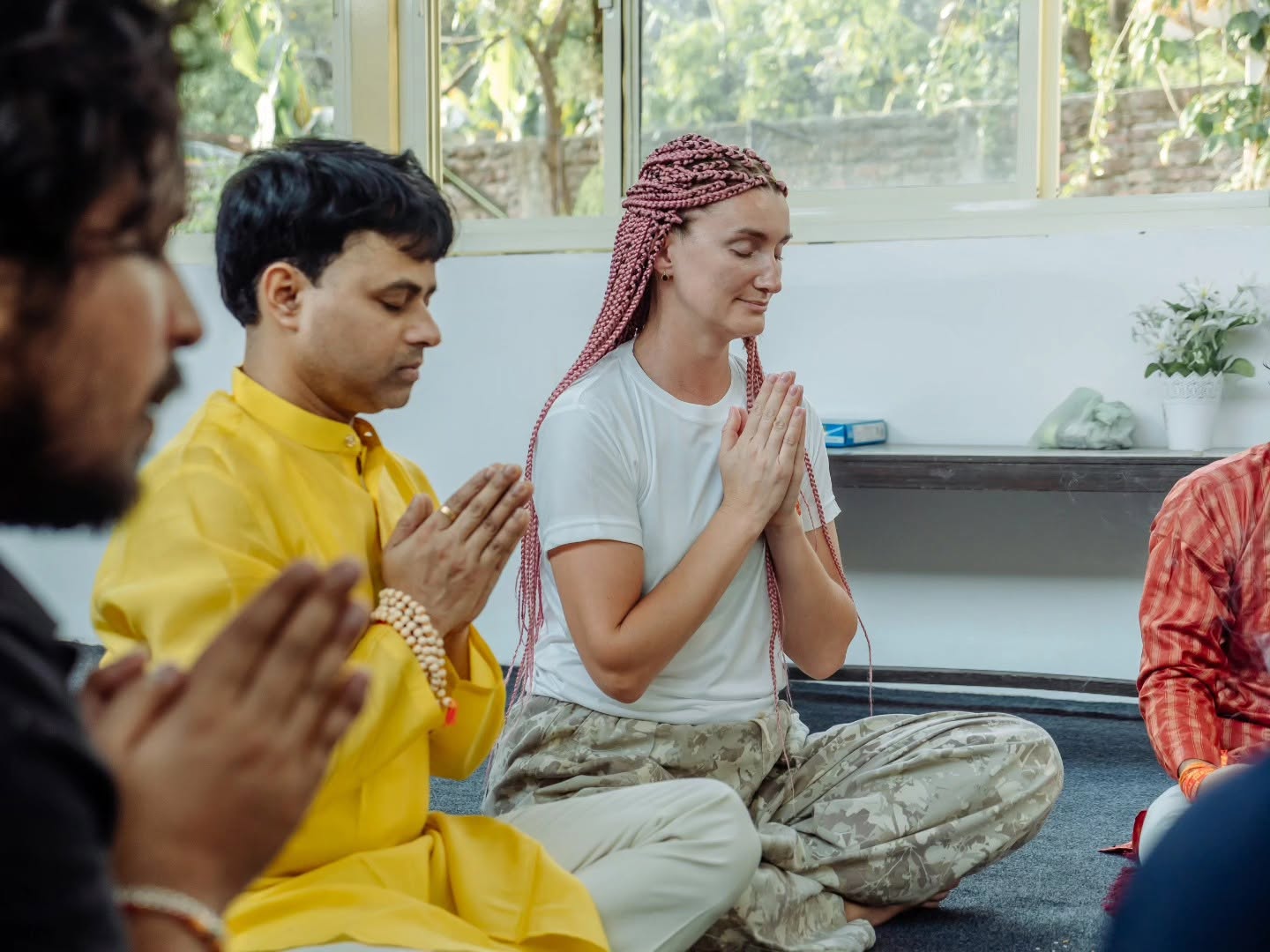
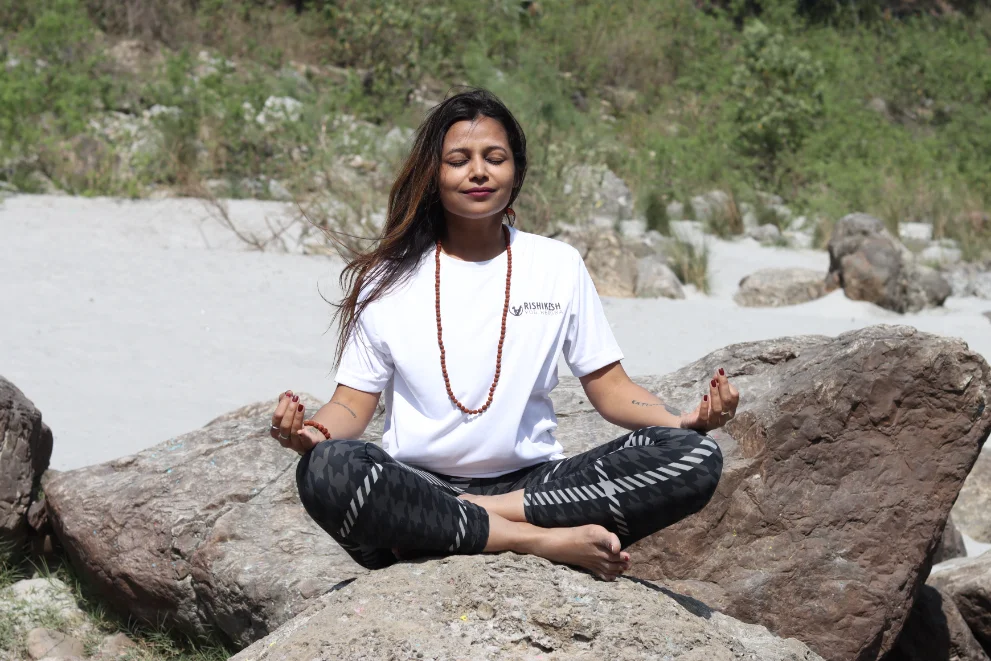
A mantra is a collection of words containing specific sounds and vibrations, passed down by ancient yogis and seers. It provides significant physical, mental and spiritual benefits, and each type serves a different purpose.
You are introduced to mantras that guide you on an inner journey — encouraging healing, creating positive vibration in the body and bringing calmness to the mind:
The advanced Hatha Yoga curriculum emphasizes refined alignment, advanced postures, longer holds, subtle energy awareness, and therapeutic applications to help students become confident teachers.
Below is the list of Hatha Yoga Asana Series you’ll be practicing:
Theory
The 300-hour Ashtanga Yoga module is designed for experienced practitioners seeking to deepen their personal practice and teaching skills. Students refine the Primary Series while exploring advanced techniques, intelligent adjustments, and the principles of advanced sequencing.
Below is the list of Ashtanga Yoga Asana Series you’ll be practicing:
Theory
The advanced Vinyasa Flow curriculum develops intelligent sequencing, creative transitions, advanced postures, and confident teaching methods for a wide variety of class styles.
Below is the list of Vinyasa Flow Asana Series you’ll be practicing:
Theory
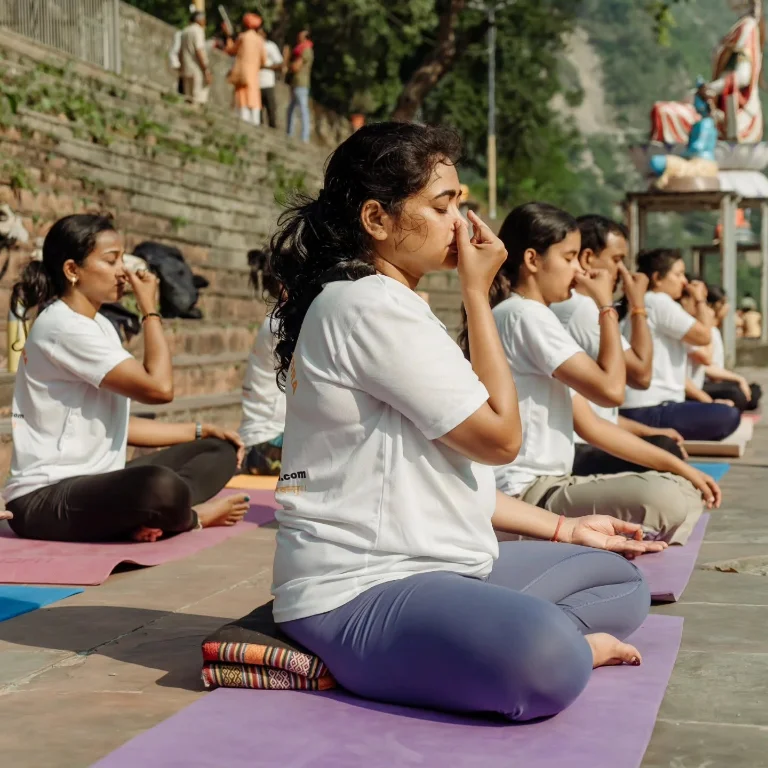
Pranayama is the central practice in traditional yoga. Many people misunderstand Pranayama as the breathing practice only, but it is something more. In this class you will learn the secret of pranayama and how it leads us to health, peace, happiness, balance and awakening of kundalini.
We will include the practice for over 10 prana practices which include:
After stabilizing your posture with Asana, purifying your energy through Pranayama, and mastering control over your senses with Pratyahara, you’ll enhance your ability to focus the mind. The journey into meditation begins with concentration practices, and our 300-hour YTTC equips you with effective techniques to build a strong foundation, enabling you to cultivate heightened concentration and awareness.
In this 04-week program, you’ll grasp the fundamentals and progress to intermediate levels of meditation preparations and techniques. Each day, you’ll gain a deeper understanding of how to perform them and start experiencing their benefits.
The body produces toxins at all times and needs cleansing accordingly — physical, mental, emotional and spiritual. Practitioners follow six practices (Shatkarma) by which the channels are unblocked for higher experiences. You learn both the practices and the theory behind them.
Yoga philosophy is the philosophy of life. Just by listening and understanding one can change one’s own life. Yogi Vishnu learnt the secrets of Yoga philosophy from his great Master Swami Veda by spending significant time with him. His authentic teachings will be taught by our teachers. Yoga philosophy does not only exist in Yoga Sutra. There are hundreds of Yogic texts and we will introduce you few important ones such as; Yoga Sutra, Bhagawat Geeta, and Upanishad.
During these 4 weeks Yoga Philosophy will take you a great journey of wisdom.
Anatomy is one of the most important subjects for a yoga teacher, because it is what keeps your students safe. You study two kinds — physical and subtle.
A mudra is a divine gesture practised with the hands. There are hundreds of them, and with their subtle power they bring real changes to body and mind.
The whole universe is made of energy, and so is the physical body. With mudra we channel that energy; with bandha we contain it and stop it draining away. Bandhas help you manage and maintain energy, and support kundalini awakening. There are only three bandhas in yoga, but you are taught many preparatory techniques so that you can perform them correctly.
Learning or practicing yoga is not enough to teach. Teaching yoga is an art in which you transform people’s lives. A proper teaching methodology will help you with:
At the end of the course, you will be evaluated and according to that, you will get the certification. Your evaluation will be based on the following:
A gentle rhythm — from first breath at dawn to stillness at night.
* Schedule may vary slightly depending on the programme and season
The 300 Hour Yoga Teacher Training is an Advanced Yoga Teacher Training that continues where a 200-hour course ends. A foundation program teaches you the fundamentals and prepares you to begin teaching; the 300 hour course assumes you already hold that grounding and concentrates instead on depth, refinement and the finer craft of teaching. In short, the 200-hour training makes you a teacher, while the 300-hour training makes you a more skilled and confident one.
The main differences are as follows:
A 200-hour course is open to complete beginners. The 300 Hour Yoga Teacher Training in Rishikesh is intended for intermediate to advanced practitioners and expects a completed 200-hour certification as its starting point.
Where a foundation course introduces asana, pranayama, philosophy and anatomy, the 300 hour course revisits each at a greater level of detail — refining what you already know rather than presenting it for the first time.
Considerable attention is given to the skills that distinguish an experienced teacher: intelligent sequencing, precise alignment and adjustment, and the reasoning behind sound teaching decisions.
The course centres on Ashtanga and Vinyasa yoga and moves at a faster, more demanding pace, because it presumes prior knowledge of the fundamentals.
Enrolment in the 300 Hour Yoga TTC in Rishikesh is limited to a maximum of ten students, allowing closer, more individual guidance than a larger foundation course can offer.
Graduates are eligible to register as an RYT 300. For those who have already completed a 200-hour training, this course also completes the path to RYT 500, the highest of the standard registration levels.
There is also a difference in purpose. A 200-hour student is largely focused on learning to practise and teach safely. A 300-hour student is refining a practice that already exists, deepening their personal discipline, broadening their theoretical understanding, and developing the judgement to teach with authority. The environment reflects this: an intensive, 28-day residential program in Rishikesh, structured for practitioners who are ready to be challenged.
For anyone who has completed a foundation course and is considering the next step, this is the essential distinction. The 300 Hour Yoga Teacher Training India is not a repetition of what you have already learned, but a genuine advancement of it.
The 300 Hour Yoga Teacher Training at Rishikesh Yog Kendra is a Yoga Alliance registered program, and graduates who complete it are eligible to register with Yoga Alliance, USA as an RYT 300 (Registered Yoga Teacher at the 300-hour level). Rishikesh Yog Kendra is a Registered Yoga School (RYS) with Yoga Alliance and has conducted teacher training in Rishikesh for approximately ten years. Because the course is built to the Yoga Alliance 300-hour standard, its advanced technique and practice, teaching methodology, anatomy, philosophy and supervised teaching follow an internationally agreed framework rather than a syllabus designed in isolation.
It is worth understanding how the certification actually works, as the terminology is often misread. Yoga Alliance registers schools and teachers separately: as an accredited school, Rishikesh Yog Kendra is authorised to deliver training to the required standard, and on completion you receive your certificate from the school. You then apply directly to Yoga Alliance to register yourself as an RYT 300. This registration is available to those who have already completed a 200-hour training, which is why the 300 Hour Yoga Teacher Training in Rishikesh is designed as an advanced course rather than an entry point.
The 300-hour certification also completes an important progression. A practitioner who has finished both a 200-hour and a 300-hour training becomes eligible to register as an RYT 500 — the highest of the standard Yoga Alliance registration levels. In this way, the 300 Hour Yoga TTC in Rishikesh serves two purposes at once: it advances your own practice and teaching, and it finishes the pathway to RYT 500 for those who intend to reach it.
For international students, this recognition is the practical value of the course. An RYT 300 or RYT 500 credential earned through this Advanced Yoga Teacher Training is understood by yoga studios, retreat centres and employers worldwide, so a qualification gained in Rishikesh carries directly into your teaching at home or abroad. Rishikesh Yog Kendra treats the Yoga Alliance standard as the foundation of what it teaches rather than the limit of it, so that graduates leave with both an internationally recognised certification and the genuine depth of knowledge to support it.
We're dedicated to providing a thoughtful and systematic approach to yoga instruction. Due to the popularity of our classes, spots fill up quickly. We invite you to reserve your place at your earliest convenience after exploring the available dates. We're excited to have you join us on this tranquil journey of yoga.
Secure Booking • Best Price Guarantee • Limited Spots
Here is exactly what the fee for the 300 Hour Yoga Teacher Training covers, and what it does not. The course is residential, so your stay, your meals and everything you need for daily practice are already included — and we would rather be plain about the few things that sit outside it than leave you to find out later.
Everything covered inside your program fee
Good to know before you book
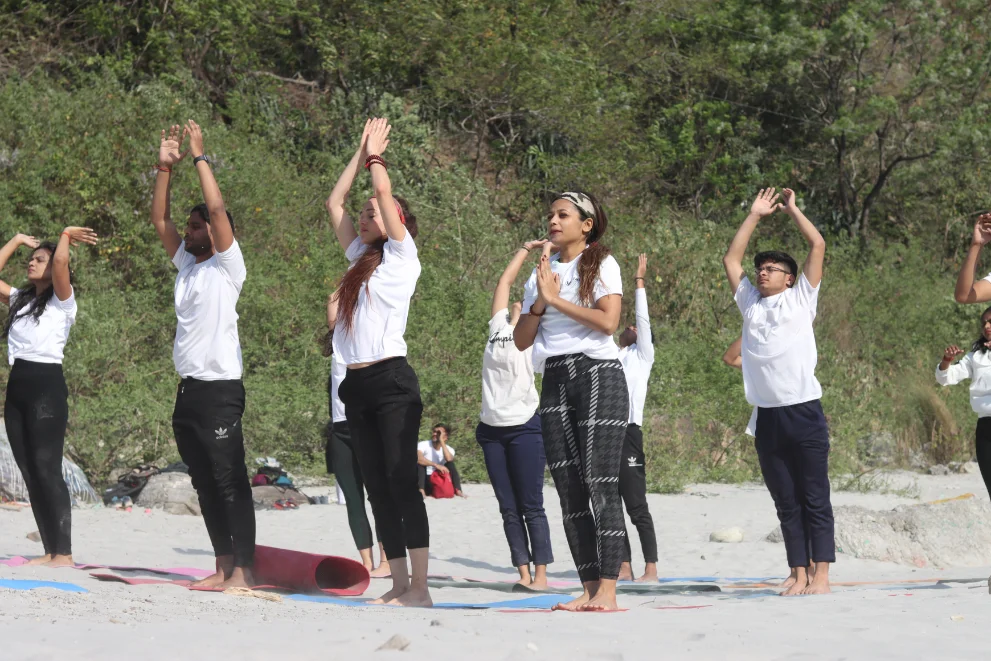
We strongly believe that a student needs practical exposure apart from book knowledge to have a great career. For the same reason, we organise weekly excursions to various holy sites as well as picturesque sites in Rishikesh. The excursions are an important part of the curriculum. You can avail yourself of the opportunities to practice yoga and meditation in some of the serene and tranquil spots in the region.
Rishikesh has some famous spots, like Kunjapuri Temple, Ganga beach, Rishi Vasishta’s Cave, and the Beatles Ashram. Many tourists also throng the region for various pursuits. You can experience the heights of spirituality at such places. Moreover, you can establish a stronger connection with nature. So, it is important for you to go on such excursions as part of your training in Rishikesh.
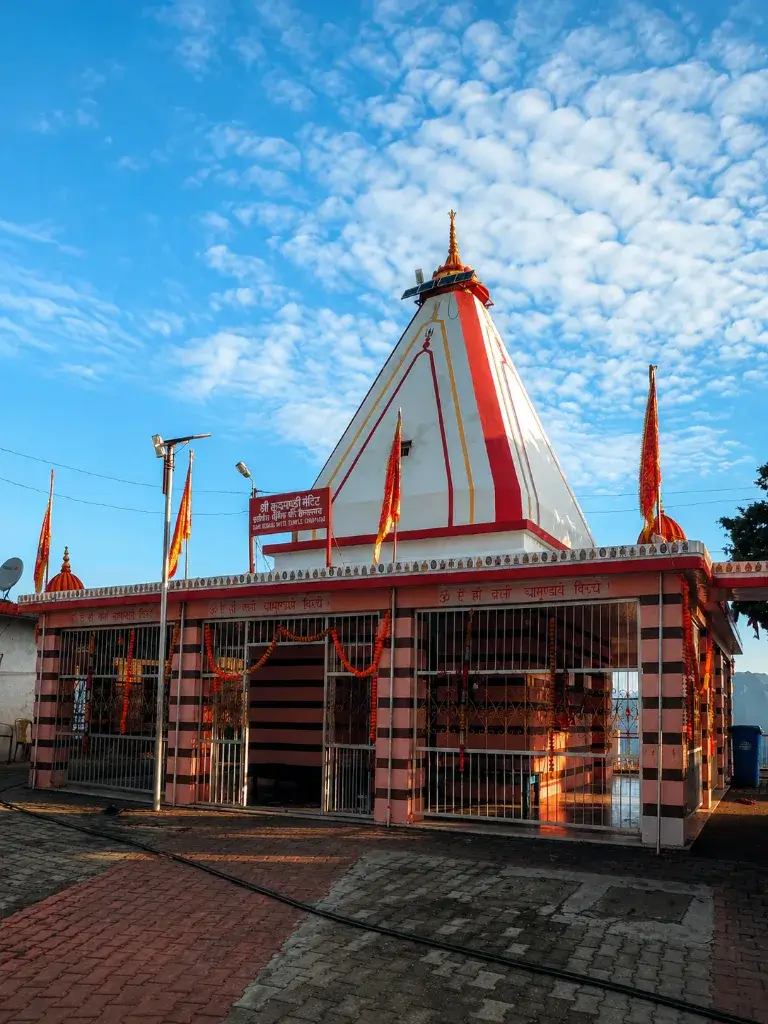
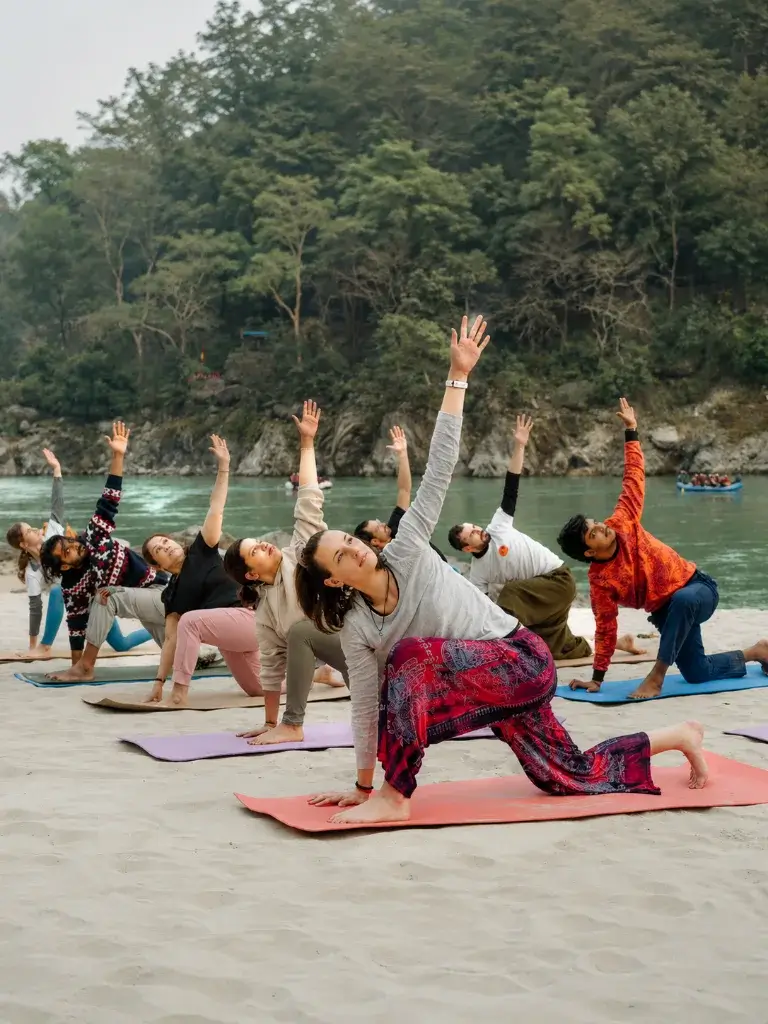
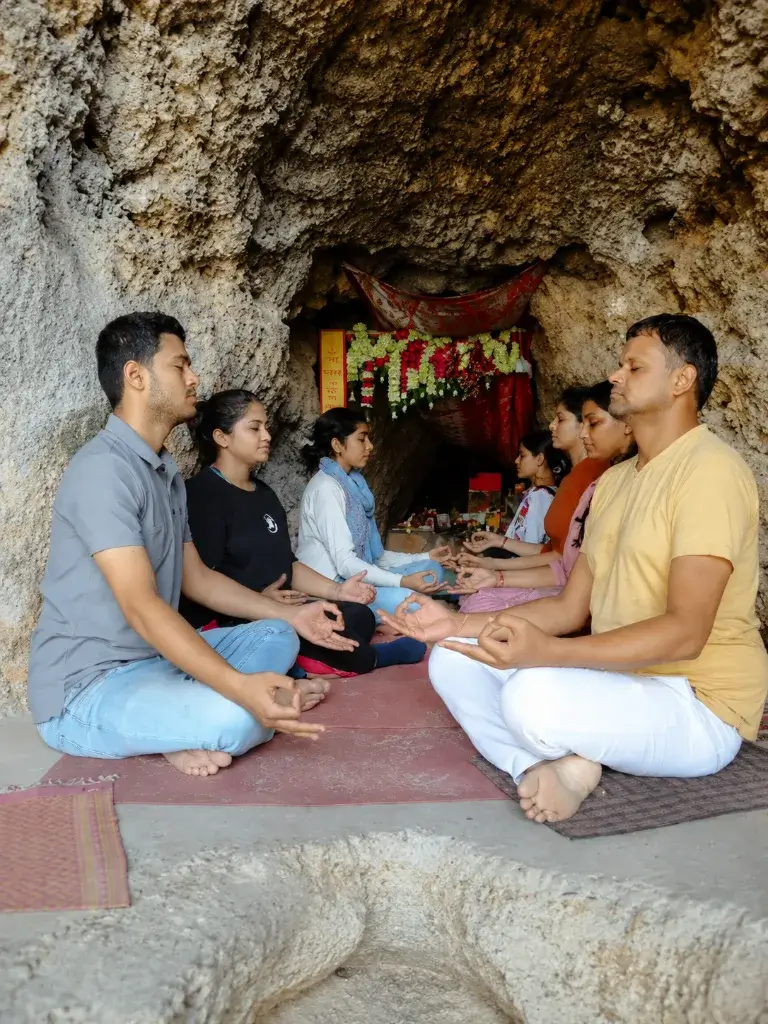
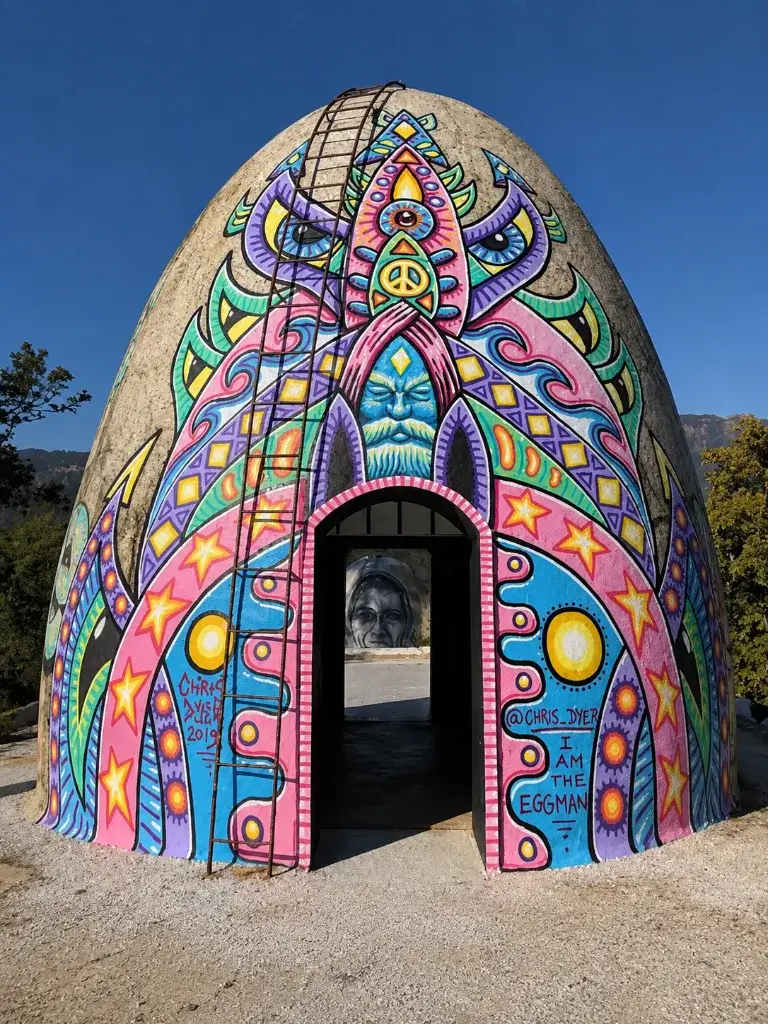
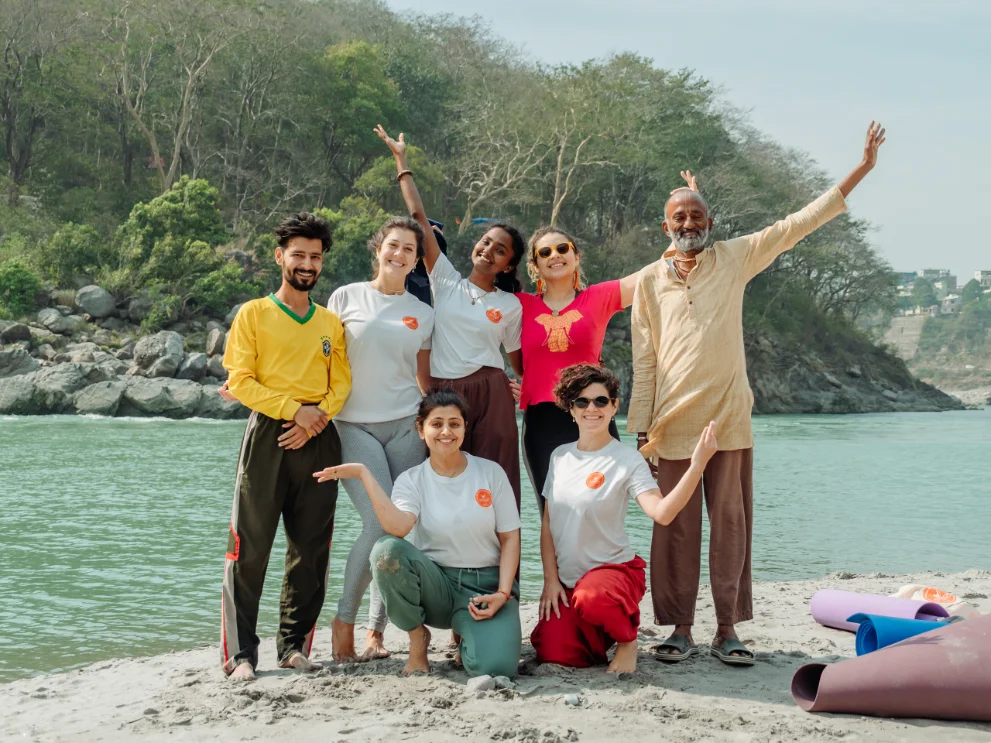
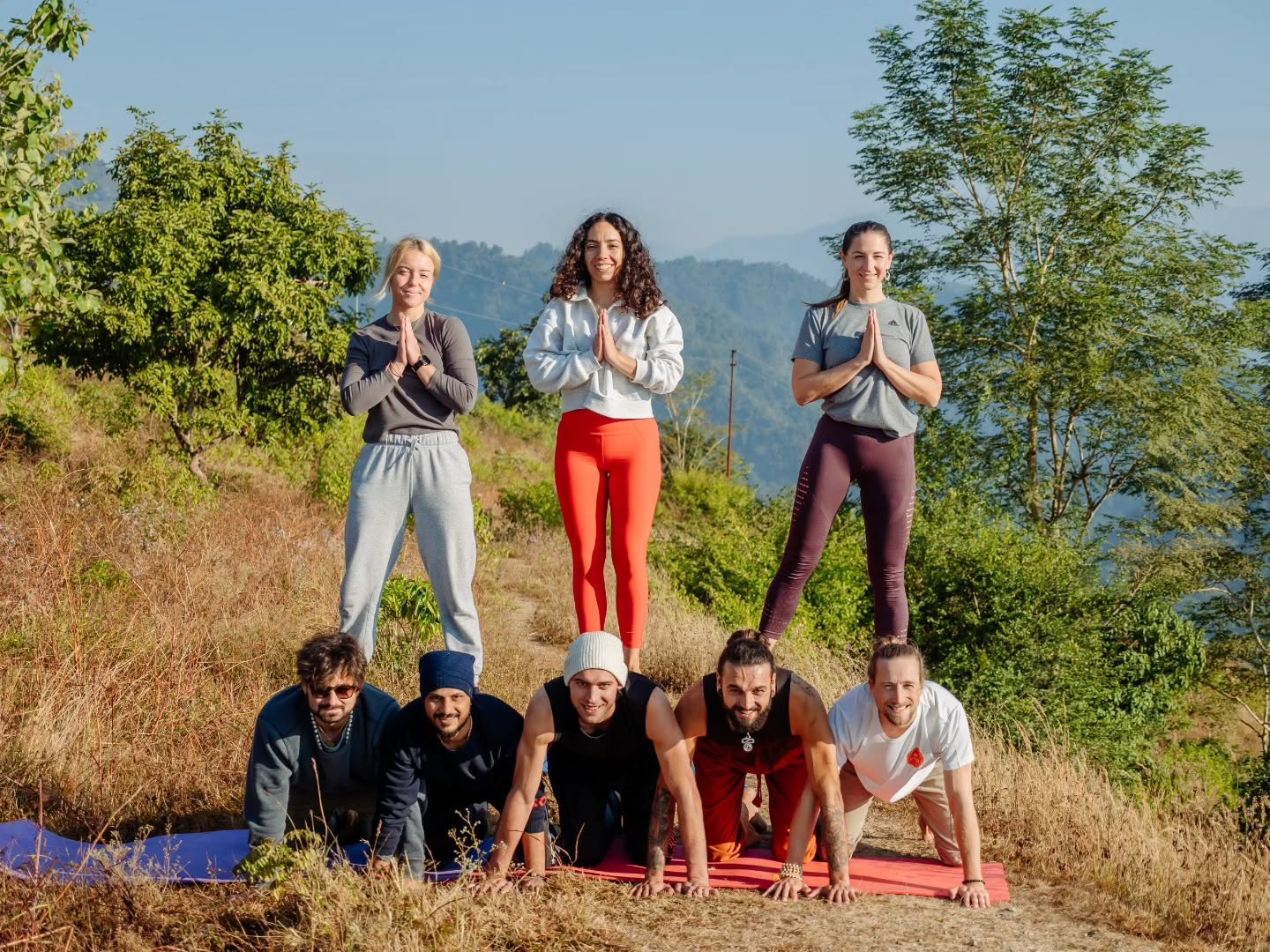
Life here is as much a part of the training as the classes themselves. Days begin early with practice, meals are simple and satvik, and there is quiet time to study, rest or walk down to the Ganga. Students arrive from all over the world and rarely leave as strangers. See it for yourself below.
At this level you learn yoga only as well as the people teaching it, so this is where the course is truly decided. Our instructors are certified teachers with years behind them — both in their own practice and in the classroom — and each brings real depth to their subject, whether that is Ashtanga, Vinyasa, philosophy, anatomy or meditation. Just as important, they teach with patience. They take time to explain the reasoning behind each practice, correct you personally, and answer the questions your own teaching has raised. Meet the team below.
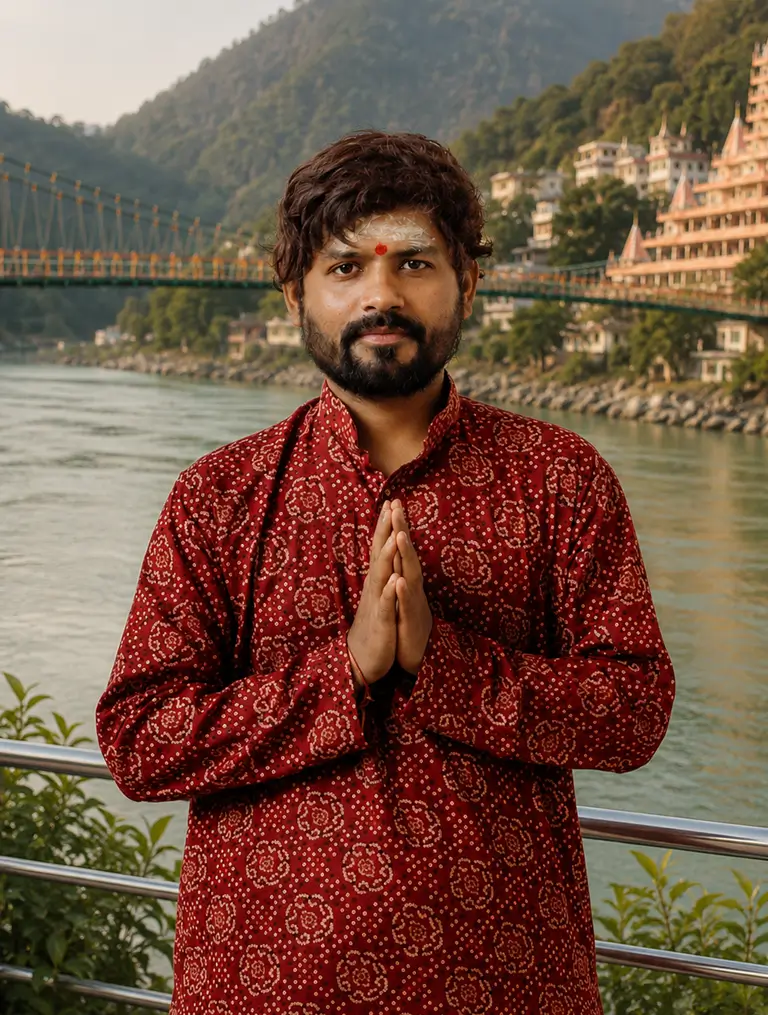
Founder · Hatha, Aerial & Ashtanga
Founder of Rishikesh Yog Kendra, Vimlesh Ji has spent more than a decade teaching Hatha, Aerial and Ashtanga yoga in the Himalayan tradition.
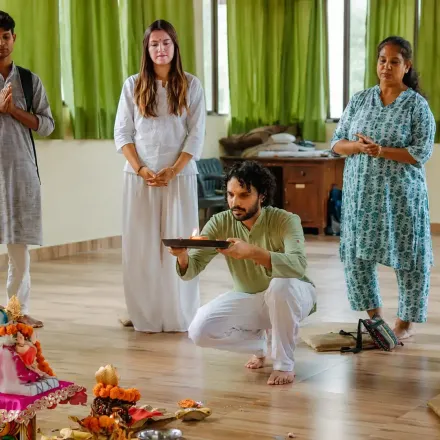
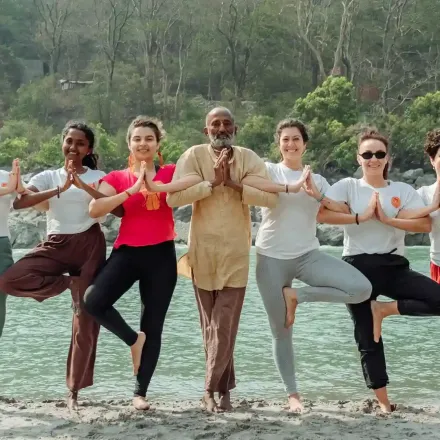
Taking the 300 Hour Yoga Teacher Training in Rishikesh is a transformative month, and the fee covers your stay and your food throughout it. We offer single and double occupancy rooms, all equipped with the essential amenities and looking out at the mountains and gardens. The accommodation and the school sit away from the town’s noise, with shops close enough to be convenient.
Each room has an attached washroom, complimentary high-speed Wi-Fi and comfortable furnishings. Throughout the course you eat three wholesome sattvic meals a day — fresh fruit and vegetables, juices, lentils, whole grains and herbal teas — prepared in hygienic conditions, with ample quiet space set aside for your own meditation practice.
Learning also happens outside the yoga hall. Every Sunday brings an excursion into Rishikesh and its surroundings, alongside guest lectures and workshops that place the practice in its living cultural and spiritual context.
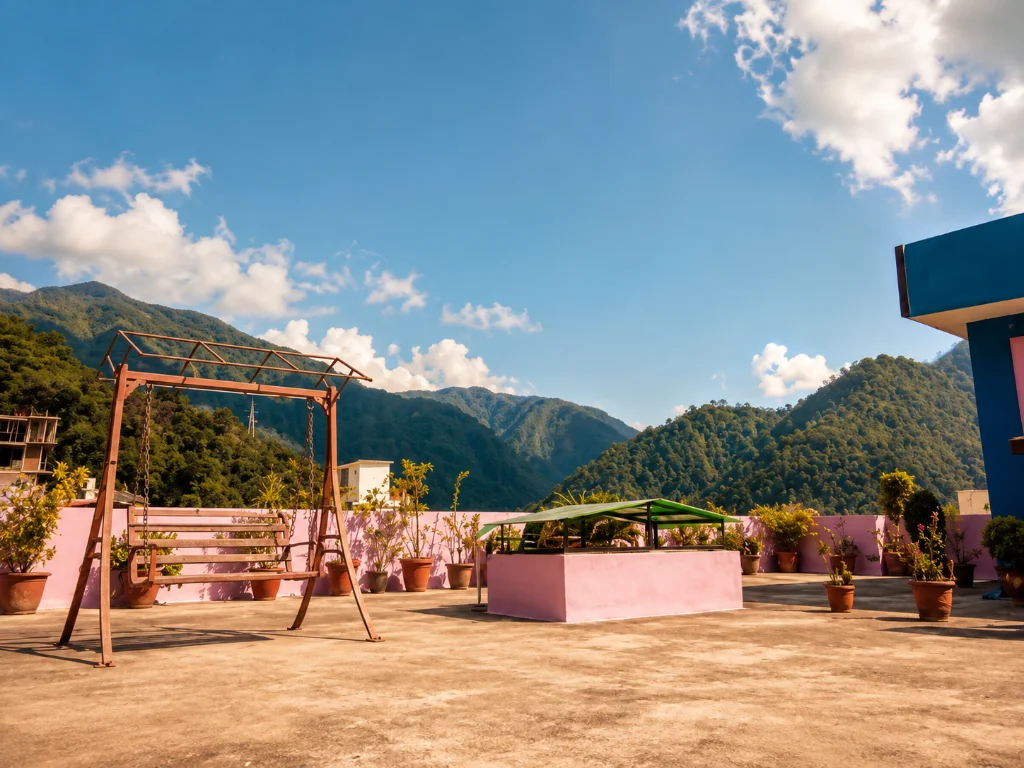
Our campus sits in the quiet foothills of the Himalayas — open practice halls, a rooftop terrace to sit out on, and the hills in full view from sunrise to dusk. Close enough to the Ganga for a morning walk, far enough for the silence a practice needs.

Clean, spacious rooms with an attached washroom and enough floor space to meditate or practise on your own. Housekeeping takes care of the rest, and you choose between a private or a shared room.

Three fresh vegetarian meals a day, along with seasonal fruits and herbal tea. Everything is cooked in the school kitchen and included in your course fee — no separate charges for food or stay.


 Sreeja Konda
300 Hour Yoga TTC
Sreeja Konda
300 Hour Yoga TTC
“Blessed to be apart of this school…. I did my 200hrs and 300hrs from this school……. excellent faculty especially manu ji who is my philosophy teacher has changed my perception towards life…”
 Tarun Nagpal
300 Hour Yoga TTC
Tarun Nagpal
300 Hour Yoga TTC
“Namaste, I am Tarun, originally from the sacred land of India, now based amidst the serene landscapes of Portugal. My time at Rishikesh Yog Kendra was a peak experience on the path of yoga. Everything harmonised perfectly—the depth of the teachings, the warmth and wisdom of the gurus, the ashram-style accommodation imbued with simplicity and peace, the nourishing sattvic food, the ever-helpful management, and the beautiful community of fellow seekers. My heart especially resonates with the Philosophy and Pranayama sessions led by Yogi Manu Ji and the deeply experienced Yogi Yogendra Mishra Ji—their words felt like ancient truths flowing directly into the heart. The Hatha Yoga sessions by Yogi Jeet Ji and Ashtanga Vinyasa Flow by Yogi Rahul Ji were equally transformative, each posture becoming a moving meditation under their guidance. Every teacher here is a blend of vast knowledge and boundless compassion. The weekly outings organised by the school were like gentle breezes between intense days of practice—reminding us that yoga is also joy, laughter, and connection. I now feel not just trained, but initiated into a deeper way of living. My soul is already calling me back for the 300-Hour Yoga TTC. May all beings be healthy, peaceful, and blissful. Om Shanti Shanti Shanti”
“I came back from Montreal, Canada to compete my 300h. Teachers are the back bone of this school Anil sir, Rahul sir, sourabh sir and Vimlesh sir Anatomy is the best part during my learning experience. He gaves you so much knowledge and the way he explains its amazing Thank you to my teachers”
“A real oasis in the heart of Rishikesh:) I took the time to visit several yoga schools in Rishikesh before choosing one, and I’m so glad I did with Rishikesh Yoga Kendra. It’s the only school in Upper Tapovan with a big, open garden, and that alone makes a huge difference. Most other schools are in regular buildings, and as soon as you step outside, you’re right in the middle of noisy traffic. Here, you’re surrounded by nature and it’s the perfect place to slow down and really focus on your practice. The rooms are spacious and clean, the food is delicious, and the teachers are friendly, knowledgeable, and disciplined—you can tell they truly care about what they do. There’s a beautiful energy in the classes, a mix of depth, structure, and light-heartedness. And then there’s Neha, the owner—she’s incredibly kind and always available to help with anything you might need. You feel welcome from the very beginning, like you’re part of a family. Another big plus: the price of the course is super fair, especially compared to other schools around. For the quality of what you get, it honestly feels like a gift. If you’re looking for a calm, authentic yoga school in Rishikesh, I can’t recommend this place enough. I’m really grateful I found it.”
 Simran Ramnani
Yoga Student
Simran Ramnani
Yoga Student
“I had the most beautiful experience at Rishikesh Yog Kendra, where I stayed for a month to learn yoga. The center is located near the peaceful Ganga Ghat, making the environment incredibly serene and grounding. Everything you might need—cafes, shops, essentials—is just a short walk away, yet the place feels calm and untouched by chaos. From day one, the entire team—teachers, management, and even the cook—made me feel welcomed and supported. Everyone was warm, helpful, and friendly, which made my stay feel like being at a second home. The yoga teachers are truly amazing. Their experience, depth of knowledge, and simplicity in teaching made it easy for me to understand and follow the practices, even as a beginner. Each class was structured with care and intention, and I could feel myself growing physically, mentally, and spiritually every day. If you’re looking for an authentic yoga school with heart, soul, and the perfect balance of discipline and comfort, I highly recommend Rishikesh Yog Kendra. It’s a place that stays with you long after you leave.”
 Sonia Coutinho
Yoga Student
Sonia Coutinho
Yoga Student
“Love the vibe of the Yoga school. The courses are very well curated & the teachers & faculty are very humble, kind & hospitable. The Satvik food is delicious & nutritious, hygineically prepared. Looking forward to visiting again.”
 Rodrigo Oliveira
Yoga Teacher Training
Rodrigo Oliveira
Yoga Teacher Training
“From the moment I began searching for the right yoga teacher training course in Rishikesh, I knew I was looking for something more than just a certificate, but a true immersion into the yogic path. After researching several schools, I came across Rishikesh Yog Kendra, and the warm, supportive communication I had with Neha Ji (School Co Founder) from the very first WhatsApp message made all the difference. Her kindness, clarity, and willingness to answer all my questions immediately set this school apart. I felt guided and supported even before I boarded my flight from England to India. The school is registered and accredited by Yoga Alliance, which gave me additional peace of mind about the quality and authenticity of the training. When I landed in India, everything was seamlessly arranged, a private taxi was waiting to take me from the airport directly to the school, organised entirely by the school staff. That level of attention to detail and care set the tone for what was to come. Upon arrival, I was welcomed with genuine warmth. The atmosphere was inviting, safe, and deeply rooted in tradition. The school enforces respectful rules, including a 9:30 PM curfew for students to ensure everyone’s safety and well-being. I appreciated this level of responsibility, as it allowed me to fully focus on my transformation without distractions. The daily schedule was punctual and well-structured, covering a holistic curriculum that included Philosophy, Anatomy, Mantra Chanting, Hatha, Ashtanga, and Vinyasa yoga. Every teacher brought something unique, with a wealth of knowledge and passion that elevated each session. I was particularly grateful for the in-depth focus on Samkhya philosophy, a topic not covered in many other schools. This deeper understanding of the yogic worldview added immense depth to my practice and teaching skills. Each day, we were served Satvik yogic meals, lovingly prepared to support our physical and energetic bodies during the intensive training. During breaks, I enjoyed visiting the many local cafes around the school, and for those interested, there is even a gym just outside the premises for additional physical activity. The school also included beautiful outdoor experiences, such as yoga sessions on the sacred banks of the Ganga River and a visit to a temple high in the mountains, all thoughtfully arranged and included in the training. These excursions brought the teachings alive in a way no classroom ever could, they were truly unforgettable moments of connection with nature, the divine, and myself. As I spoke to students from other yoga schools in the area, I realised how truly special Rishikesh Yog Kendra is. The depth of knowledge, the personalised support, and the authentic spiritual environment were simply unmatched. I left not only with a certification but with a profound transformation, a heart full of gratitude, and a clear sense of purpose as I continue on my yogic journey. I cannot thank Neha Ji and every member of the team enough for their dedication, care, and wisdom. You have not only given me the tools to become a yoga teacher, you have guided me through a journey of self-discovery that I will carry with me for life. With heartfelt gratitude, Rodrigo”
Ready to begin your own practice? Apply for a course.
 Hatha Yoga Pradipika
Download
Hatha Yoga Pradipika
Download
 The Gheranda Samhita
Download
The Gheranda Samhita
Download
 Inside the Yoga Sutras
Download
Inside the Yoga Sutras
Download
 Bhagavad Gita
Download
Bhagavad Gita
Download
 Raja Yoga
Download
Raja Yoga
Download
 The Royal Path
Download
The Royal Path
Download
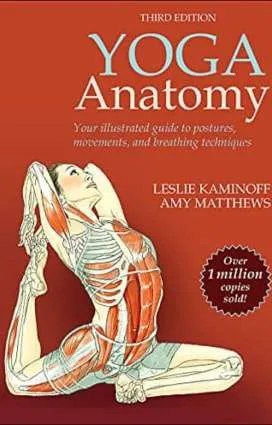 Yoga Anatomy
Download
Yoga Anatomy
Download
 Asana Pranayama Mudra Bandha
Download
Asana Pranayama Mudra Bandha
Download
 Ajna Chakra
Download
Ajna Chakra
Download
 Moola Bandha
Download
Moola Bandha
Download
 Prana and Pranayama
Download
Prana and Pranayama
Download
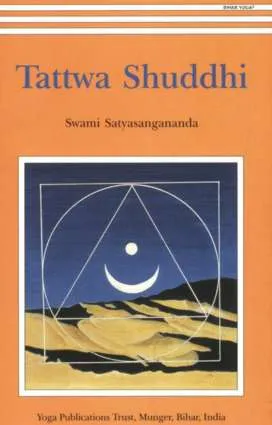 Tattwa Shuddhi
Download
Tattwa Shuddhi
Download
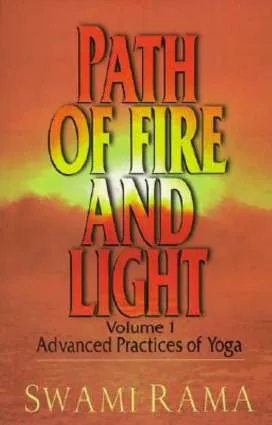 Path of Fire and Light
Download
Path of Fire and Light
Download
 Ayurveda Encyclopedia
Download
Ayurveda Encyclopedia
Download
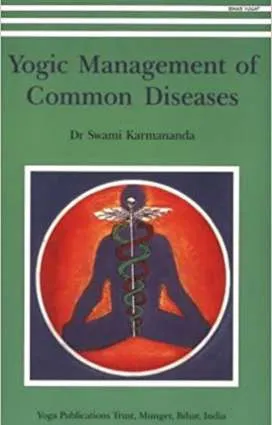 Yogic Management of Common Diseases
Download
Yogic Management of Common Diseases
Download
The 300-hour YTTC is designed for yoga teachers and dedicated practitioners who have already completed a 200-hour Yoga Teacher Training Course. It is ideal for those who want to deepen their knowledge, refine their teaching skills, and advance their personal practice.
Yes. To enroll in the 300-hour course, you should have successfully completed a recognized 200-hour Yoga Teacher Training Course. This ensures you have the foundational knowledge needed for advanced study.
Our 300-hour program includes advanced Hatha Yoga, Ashtanga Yoga, Vinyasa Flow, Pranayama, Meditation, Yoga Philosophy, Anatomy, Teaching Methodology, and Alignment & Adjustments to help you become a more confident and knowledgeable yoga teacher.
Yes. Upon successfully completing the training and meeting all course requirements, you will receive a 300-hour Yoga Teacher Training certificate. If you already hold a Yoga Alliance registered 200-hour certificate, you can combine both qualifications to meet the requirements for the 500-hour Registered Yoga Teacher (RYT 500) designation, subject to Yoga Alliance’s current registration requirements.
Absolutely. Many students join the course to deepen their understanding of yoga, improve their personal practice, and explore the philosophy and traditional teachings, even if they don’t plan to teach professionally.
The 300-hour program builds on the foundation of a 200-hour training. It focuses on advanced asana practice, deeper philosophy, intelligent sequencing, hands-on adjustments, teaching methodology, yoga therapy concepts, and developing the confidence to teach a wider range of students.
From Delhi to your mat in Tapovan — by air, rail, road or bus, here is every way students make their way to us.
Jolly Grant Airport, about 25 km from Rishikesh, has daily flights from Delhi. We can arrange a cab from the airport to the school for an additional fee.
Daily trains connect Delhi to Haridwar railway station. Once you arrive at Haridwar, we can organise a pickup for you at a reasonable charge.
We can also arrange a cab to bring you the whole way from Delhi to the school in Rishikesh, for a reasonable fee.
Buses run from Delhi to Rishikesh bus stand through the day. On arrival we can arrange a cab for the short hop to the school.
 Chat on WhatsApp



Fill the form below to begin your yoga journey











 What's Included


 & Campus Life