Español


Hatha vs Vinyasa Yoga
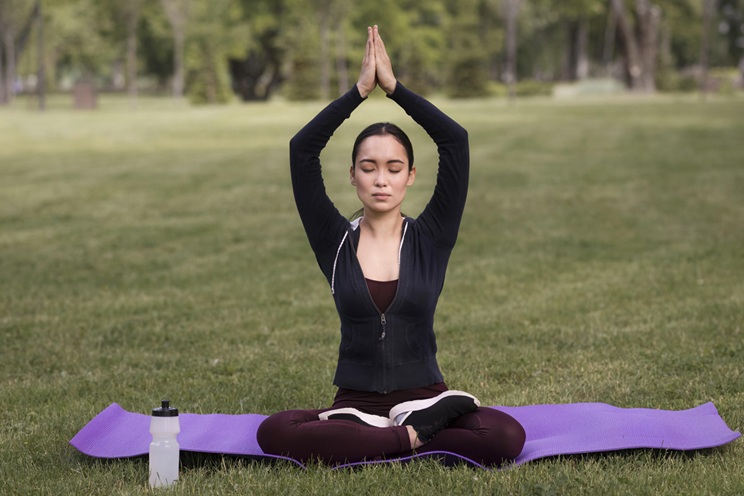
Table of Contents
- What Is Hatha Yoga?
- Benefits of Hatha Yoga
- What Is Vinyasa Yoga?
- Benefits of Vinyasa Yoga
- Hatha vs Vinyasa Yoga: What Is the Difference?
- Which Is Better for Beginners: Hatha or Vinyasa Yoga?
- Hatha vs Vinyasa Yoga for Weight Loss
- Which Yoga Style Is Better for Flexibility and Strength?
- Hatha or Vinyasa Yoga: Which One Should You Choose?
- Choose Hatha Yoga if:
- Choose Vinyasa Yoga if:
- Can You Practise Both Hatha and Vinyasa Yoga?
- Learning Hatha and Vinyasa Yoga in Rishikesh
- Final Thoughts: Hatha vs Vinyasa Yoga
- Frequently Asked Questions
- 1. Is Hatha Yoga easier than Vinyasa Yoga?
- 2. Can beginners start with Vinyasa Yoga?
- 3. Which is better for stress relief, Hatha or Vinyasa Yoga?
- 4. Does Hatha Yoga build muscle?
- 5. Is Vinyasa Yoga suitable for people who are not flexible?
- 6. Can I learn Hatha and Vinyasa Yoga in a teacher training course?
Hatha vs Vinyasa Yoga: Which One Is Right for You?
Choosing a yoga style can feel a little confusing, especially when you are just starting your yoga journey. You might have heard people talk about Hatha Yoga, while others recommend Vinyasa Yoga for building strength, improving flexibility, or staying active. Both styles have their own benefits, and neither one is necessarily better than the other.
The real difference lies in how the practice feels, how the poses are connected, and what you want to get out of your time on the mat.
Some people enjoy holding a pose, paying attention to their breathing, and understanding the small details of each movement. Others prefer a more flowing practice where one posture leads naturally into the next. This is where understanding the difference between Hatha and Vinyasa Yoga can help you make the right choice.
If you are wondering which style suits your body, lifestyle, or personal goals, let’s look at what makes these two popular yoga practices different.
What Is Hatha Yoga?
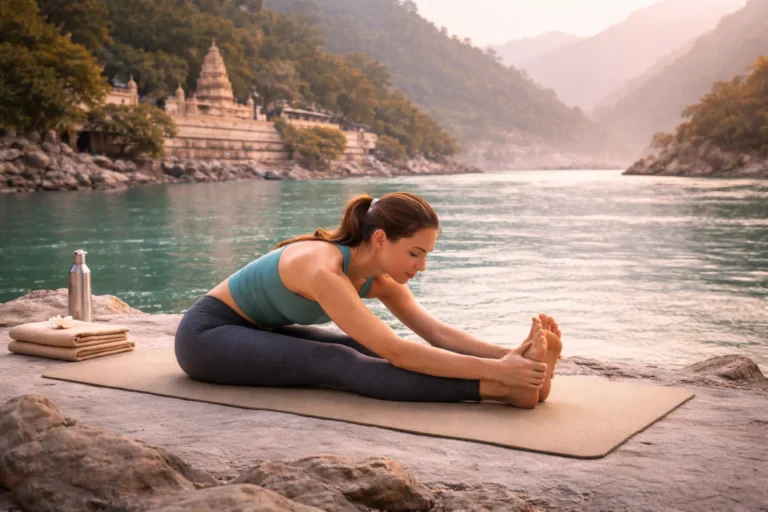
Hatha Yoga is a traditional approach to yoga that focuses on physical postures (asanas), breathing techniques (pranayama), and developing awareness of the body and mind.
In many modern yoga classes, Hatha Yoga is practised at a steady pace. Students usually hold each posture for a few breaths or longer, giving them time to understand the alignment, notice their body’s response, and work on their breathing.
For beginners, this slower approach can be especially helpful. Instead of rushing from one pose to another, you have more time to learn how a posture should feel and how to practise it safely.
Hatha Yoga is not only about physical flexibility. It also encourages patience, concentration, and a better connection between the body and mind.
Benefits of Hatha Yoga
Here are a few reasons why people enjoy practising Hatha Yoga:
- Improves flexibility: Regular practice can gradually improve your range of motion and help reduce stiffness.
- Builds strength and stability: Holding postures engages different muscle groups and develops body awareness.
- Encourages better breathing: Pranayama practices help you pay closer attention to your breath.
- Supports relaxation: A steady practice can help you slow down and feel less caught up in everyday distractions.
- Builds a strong foundation: Beginners can learn essential postures, alignment, and breathing techniques before exploring more dynamic styles.
Hatha Yoga is a good option if you enjoy learning at a comfortable pace and want to understand the basics rather than simply moving through a sequence.
What Is Vinyasa Yoga?
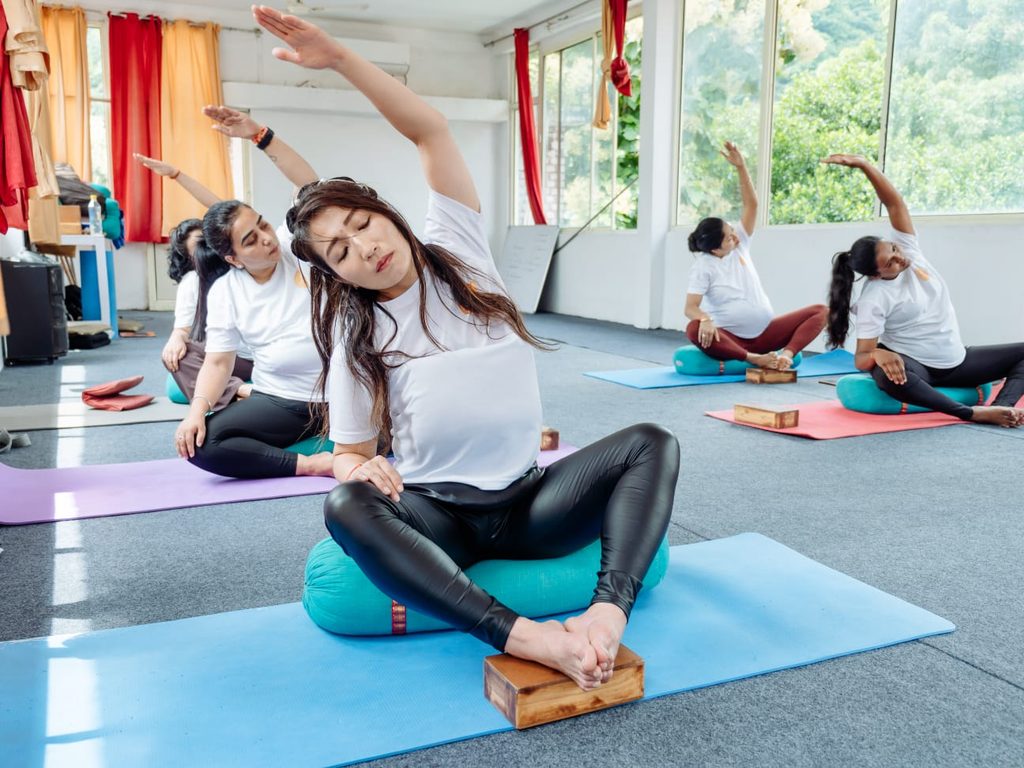
Vinyasa Yoga is a style of yoga in which movement is coordinated with the breath. Instead of holding each posture for an extended period, students move through a sequence of poses, often transitioning from one movement to the next with an inhale or exhale.
For example, you might inhale as you lift your arms, exhale as you fold forward, and continue moving through a series of postures in rhythm with your breathing.
Vinyasa classes can vary quite a bit depending on the teacher. Some are gentle and accessible, while others are physically demanding and include challenging sequences, balances, and strength-building postures.
One thing many people enjoy about Vinyasa Yoga is that the practice rarely feels exactly the same from one class to another. Teachers can create different sequences depending on the theme, energy level, or purpose of the session.
Benefits of Vinyasa Yoga
Vinyasa Yoga offers several benefits when practised consistently:
- Builds strength and endurance: Repeated movements and weight-bearing postures challenge different muscle groups.
- Improves flexibility: Moving through a variety of poses can help develop mobility over time.
- Develops coordination: Connecting breath with movement encourages greater awareness and control.
- Keeps the practice engaging: Changing sequences can make each class feel fresh and interesting.
- Provides a physical challenge: Faster-paced classes can raise your heart rate and improve cardiovascular fitness, depending on the intensity.
Vinyasa Yoga may appeal to people who enjoy movement, variety, and a practice that combines physical effort with mindful breathing.
Hatha vs Vinyasa Yoga: What Is the Difference?
Although both styles include yoga postures and breathing techniques, the main difference is how the practice is structured and paced.
| Feature | Hatha Yoga | Vinyasa Yoga |
|---|---|---|
| Pace | Usually steady and slower | Often more flowing and dynamic |
| Movement | Poses are practised individually, with pauses between them | Poses are linked in sequences |
| Breath | Used to support posture, focus, and relaxation | Coordinated closely with transitions and movement |
| Pose duration | Often held for several breaths | May be held briefly or longer, depending on the sequence |
| Physical intensity | Can range from gentle to challenging | Can range from gentle to vigorous |
| Main focus | Alignment, awareness, and a steady practice | Flow, coordination, and movement |
| Best suited for | People who prefer a measured approach and time to explore poses | People who enjoy flowing sequences and movement |
It is worth remembering that these differences are not fixed rules. A challenging Hatha class can be physically demanding, and a gentle Vinyasa class can be slow and accessible. The teacher, sequence, and your own experience all influence how a class feels.
Which Is Better for Beginners: Hatha or Vinyasa Yoga?
If you are new to yoga, Hatha Yoga is often a comfortable place to start. Its steady pace gives you more time to understand basic postures, practise breathing, and learn how to position your body.
You do not need to be flexible to begin. In fact, one of the reasons people start yoga is to gradually improve their flexibility and mobility.
Vinyasa Yoga can also be suitable for beginners, especially if the teacher offers modifications and explains the transitions clearly. However, a fast-paced class may feel overwhelming if you are still learning the names of poses or trying to coordinate movement with your breath.
If you are unsure, try a beginner-friendly Hatha class first. Once you feel more comfortable with the basic postures, you can explore Vinyasa Yoga at your own pace.
And remember, you do not have to choose just one style. Many practitioners enjoy both, depending on their energy, goals, and how they feel on a particular day.
Hatha vs Vinyasa Yoga for Weight Loss
Weight management is another reason people search for the difference between Hatha and Vinyasa Yoga.
Vinyasa Yoga can involve more continuous movement, which may increase energy expenditure during a session, particularly when the class is vigorous. Hatha Yoga may involve more pauses and longer holds, but it can still build strength and support an active lifestyle.
Neither style guarantees weight loss. Results depend on several factors, including the intensity and frequency of practice, diet, sleep, daily activity, and individual health.
If your goal is weight management, choose a practice you can maintain consistently. A style that you enjoy and feel comfortable returning to is often more useful in the long run than choosing a class simply because it is more intense.
Yoga can also support your overall well-being by encouraging body awareness, mindful habits, and a healthier relationship with movement.
Which Yoga Style Is Better for Flexibility and Strength?
Both Hatha and Vinyasa Yoga can help improve flexibility and strength, although they may approach these goals differently.
In Hatha Yoga, holding a posture allows you to pay attention to alignment, balance, and the muscles working to support your body. Over time, this can help develop stability and control.
In Vinyasa Yoga, transitions between poses challenge coordination and require you to move your body with control. Sequences that include Plank, Chaturanga, Warrior poses, and balancing postures can also help build strength and endurance.
For flexibility, both styles encourage regular movement through different ranges of motion. Your progress will depend on consistent practice, appropriate technique, and allowing your body enough time to adapt.
You do not need to force yourself into deeper stretches or more advanced poses to make progress. Working within your current ability is an important part of a sustainable yoga practice.
Hatha or Vinyasa Yoga: Which One Should You Choose?
The best style for you depends on what you want from your practice and how you prefer to move.
Choose Hatha Yoga if:
- You are new to yoga and want to learn the fundamentals.
- You prefer a slower pace with time to explore each posture.
- You want to focus on alignment, balance, and breathing.
- You enjoy a calm, structured practice.
- You want to develop a foundation before trying other yoga styles.
Choose Vinyasa Yoga if:
- You enjoy continuous movement rather than frequent pauses.
- You want to work on coordination, strength, and endurance.
- You like exploring different sequences and transitions.
- You prefer a more dynamic physical practice.
- You enjoy the challenge of connecting your breath with movement.
If both descriptions sound appealing, there is no reason to limit yourself. Hatha Yoga can help you develop a solid understanding of postures, while Vinyasa Yoga gives you opportunities to explore those movements through flowing sequences.
Your practice can change as you gain experience, and that is completely natural.
Can You Practise Both Hatha and Vinyasa Yoga?
Absolutely. In fact, combining the two can be a wonderful way to build a balanced yoga routine.
You might practise Hatha Yoga on days when you want to focus on posture, breathing, and mindful movement. On other days, you might choose Vinyasa Yoga for a more energetic session.
For example, a beginner could start with two Hatha classes and one gentle Vinyasa class each week, adjusting the routine according to comfort, recovery, and personal goals.
Over time, you may find that the two styles complement each other. The awareness you develop in Hatha Yoga can help you move more mindfully through Vinyasa sequences, while Vinyasa can encourage you to apply your knowledge of alignment in a flowing practice.
The important thing is not to practise as much as possible, but to find a rhythm that feels sustainable.
Learning Hatha and Vinyasa Yoga in Rishikesh
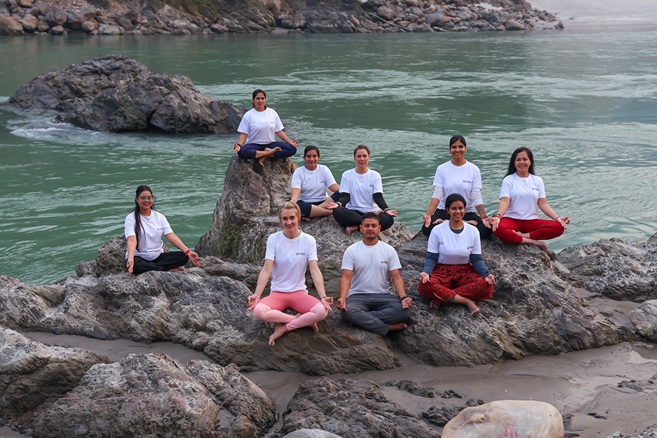
Rishikesh is widely known for its yoga traditions, spiritual atmosphere, and community of yoga practitioners from around the world. For people who want to explore yoga beyond regular studio classes, studying in Rishikesh can offer an opportunity to develop a deeper understanding of the practice.
At Rishikesh Yoga Kendra, students can explore both Hatha Yoga and Ashtanga-Vinyasa Yoga as part of their yoga teacher training journey. Learning different approaches helps students understand not only how to practise postures, but also how to approach alignment, breathing, sequencing, and teaching.
A yoga teacher training course can be useful for aspiring teachers, as well as dedicated practitioners who want to build their knowledge and confidence. You do not need to decide immediately which style will become your favourite. Sometimes, experiencing both is the best way to understand what works for you.
If you are considering a yoga teacher training course in Rishikesh, take the time to understand the curriculum, teaching methods, daily schedule, and level of guidance offered before making your decision.
Final Thoughts: Hatha vs Vinyasa Yoga
So, which is right for you: Hatha or Vinyasa Yoga?
If you prefer a steady practice with time to understand each posture, Hatha Yoga may be the better starting point. If you enjoy movement, flowing sequences, and coordinating your breath with each transition, Vinyasa Yoga might be a better fit.
Both styles offer opportunities to develop strength, flexibility, concentration, and a deeper awareness of your body. Neither is automatically superior, and you do not need to commit to one style for life.
Start with the practice that feels right for you today. Give yourself time to learn, stay curious, and allow your preferences to develop naturally. Yoga is not about keeping up with someone else’s practice; it is about discovering what helps you feel more connected to yourself.
Ready to explore your yoga journey in Rishikesh? Visit Rishikesh Yoga Kendra to learn more about our yoga teacher training courses and discover how different yoga styles can become part of your practice.
Frequently Asked Questions
1. Is Hatha Yoga easier than Vinyasa Yoga?
Hatha Yoga is often slower and gives students more time to learn each posture. This can make it feel more accessible to beginners. However, the difficulty of either style depends on the class, teacher, and poses being practised.
2. Can beginners start with Vinyasa Yoga?
Yes. Beginners can practise Vinyasa Yoga if they choose an appropriate class with clear instructions and modifications. A gentle, beginner-friendly class is a good way to learn how to coordinate breathing with movement.
3. Which is better for stress relief, Hatha or Vinyasa Yoga?
Both can support relaxation and stress management. Hatha Yoga may appeal to people who prefer a slower pace, while a mindful Vinyasa practice can help others focus on their breathing and movement. The best choice depends on personal preference.
4. Does Hatha Yoga build muscle?
Yes. Holding postures can engage and strengthen muscles, particularly when the practice includes standing poses, balancing postures, and arm-supporting positions. Results depend on the postures, difficulty, and consistency of practice.
5. Is Vinyasa Yoga suitable for people who are not flexible?
Yes. You do not need to be flexible to begin Vinyasa Yoga. Choose a class suited to your experience level and use modifications when needed. Flexibility can develop gradually with regular, appropriate practice.
6. Can I learn Hatha and Vinyasa Yoga in a teacher training course?
Yes. Some yoga teacher training courses include both Hatha and Vinyasa-based practices. Before enrolling, check the school’s curriculum to understand which styles are covered and how much practical teaching experience is included.