Español


Yoga for Beginners: Simple Ways to Start Practicing
Table of Contents
- What Is Yoga?
- Is Yoga Suitable for Beginners?
- Benefits of Yoga for Beginners
- 1. Improves Flexibility
- 2. Builds Strength
- 3. Helps Improve Balance
- 4. Supports Better Posture
- 5. Encourages Relaxation
- 6. Develops Mind-Body Awareness
- 10 Yoga Poses for Beginners
- 1. Sukhasana — Easy Pose
- 2. Tadasana — Mountain Pose
- 3. Marjariasana — Cat Pose
- 4. Bitilasana — Cow Pose
- 5. Balasana — Child’s Pose
- 6. Adho Mukha Svanasana — Downward-Facing Dog
- 7. Bhujangasana — Cobra Pose
- 8. Setu Bandhasana — Bridge Pose
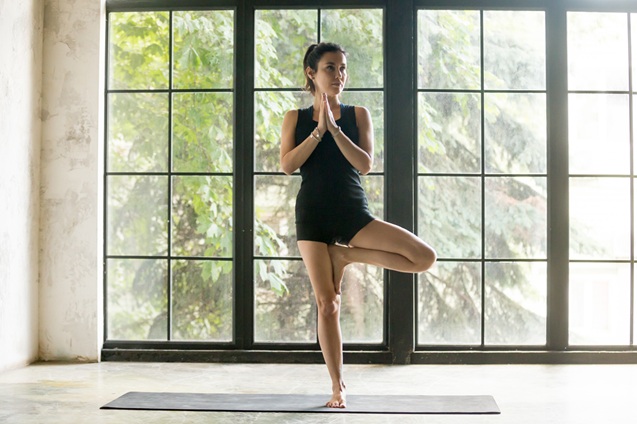
- 9. Vrikshasana — Tree Pose
- 10. Shavasana — Corpse Pose
- A Simple Yoga Routine for Beginners
- How Long Should Beginners Practice Yoga?
- How Often Should a Beginner Do Yoga?
- Can Beginners Do Yoga at Home?
- Basic Yoga Breathing for Beginners
- Common Mistakes Beginners Make
- Trying to Become Flexible Quickly
- Comparing Yourself With Other People
- Holding Your Breath
- Doing Too Much Too Soon
- Ignoring Rest
- What Should a Beginner Wear for Yoga?
- What Is the Best Time to Practice Yoga?
- Yoga for Beginners: What to Expect in a Yoga Class
- When Should You Move From Beginner Yoga to a More Structured Course?
- Final Thoughts
- Frequently Asked Questions About Yoga for Beginners
- How many minutes of yoga should a beginner do?
- What are the best yoga poses for beginners?
- Can I learn yoga at home?
- Is yoga only for women?
- Can yoga help with stress?
- Is yoga difficult for beginners?
If you are new to yoga, the first thing to know is that you do not need to be flexible, strong, or experienced to begin.
Many people come to yoga because their body feels stiff, their mind feels busy, or they simply want to build a healthier daily routine. You may have seen difficult yoga poses on social media and wondered if yoga is really suitable for beginners. It is.
Yoga starts with simple movements, conscious breathing, and learning to pay attention to how your body feels.
This guide explains yoga for beginners in a practical way, including beginner-friendly yoga poses, breathing techniques, a simple routine, common mistakes, and how to progress safely.
What Is Yoga?
Yoga is an ancient practice that brings together physical postures, breathing practices, concentration, meditation, and yogic philosophy.
The physical side of yoga, known as asana practice, is only one part of it. For a beginner, however, starting with basic postures and breathing is a good way to become familiar with the practice.
You do not have to perform advanced poses to benefit from yoga. Consistency and proper technique are much more important.
Is Yoga Suitable for Beginners?
Yes. Yoga can be adapted to different ages, fitness levels, and levels of flexibility.
A beginner yoga class usually focuses on:
- Basic yoga postures
- Correct alignment
- Comfortable breathing
- Gentle stretching and mobility
- Simple relaxation techniques
- Awareness of the body
- Gradually developing strength and flexibility
If you cannot touch your toes or sit comfortably on the floor, that does not mean you are bad at yoga. Flexibility develops gradually with regular practice.
Benefits of Yoga for Beginners
A regular yoga practice can support both physical and mental well-being.
1. Improves Flexibility
Simple yoga poses gradually work on areas such as the hips, hamstrings, shoulders, and spine.
You may notice small improvements first, such as being able to sit more comfortably or move your shoulders with less stiffness.
2. Builds Strength
Yoga is not only stretching. Many postures require you to support your own body weight.
Standing poses, Plank, Downward-Facing Dog, and other basic asanas can help develop strength and body control.
3. Helps Improve Balance
Balancing poses teach you to focus while controlling your body.
You can start with simple poses and use a wall or other support when necessary.
4. Supports Better Posture
Spending long hours sitting at a desk or using a phone can affect posture.
Yoga brings attention to the spine, shoulders, hips, and core, which can help you become more aware of how you hold your body.
5. Encourages Relaxation
Yoga combines movement with conscious breathing. Finishing your practice with a few minutes of relaxation can help you slow down and become more aware of your breathing and body.
6. Develops Mind-Body Awareness
One of the most useful things beginners learn through yoga is to notice the difference between effort and strain.
Instead of forcing a posture, you learn to work within a comfortable range and gradually improve.
10 Yoga Poses for Beginners
You do not need a long list of complicated poses when starting yoga. These basic asanas are a good foundation.
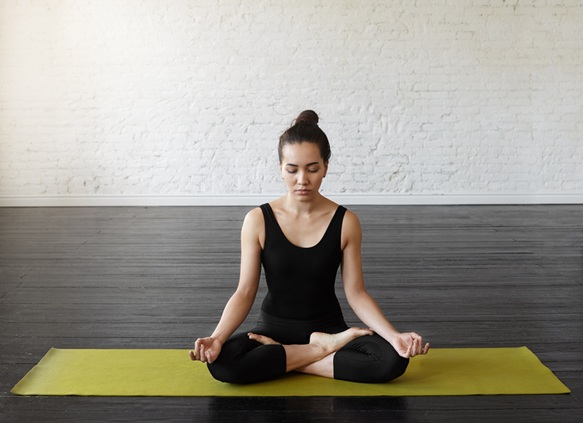
1. Sukhasana — Easy Pose
Sukhasana is a simple seated posture commonly used for breathing, meditation, and preparation for practice.
Sit comfortably with the spine upright. If your hips are tight, sit on a folded blanket or cushion.
2. Tadasana — Mountain Pose
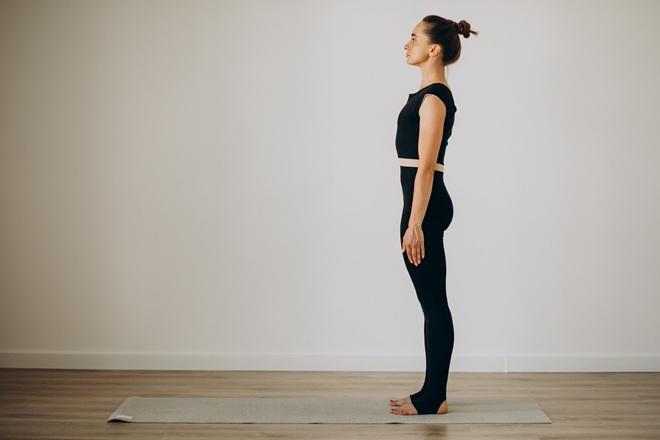
Tadasana teaches basic standing alignment.
Stand with your feet comfortable and stable. Keep the spine long, relax the shoulders, and distribute your weight evenly through both feet.
Although it looks simple, this pose helps beginners understand posture and body awareness.
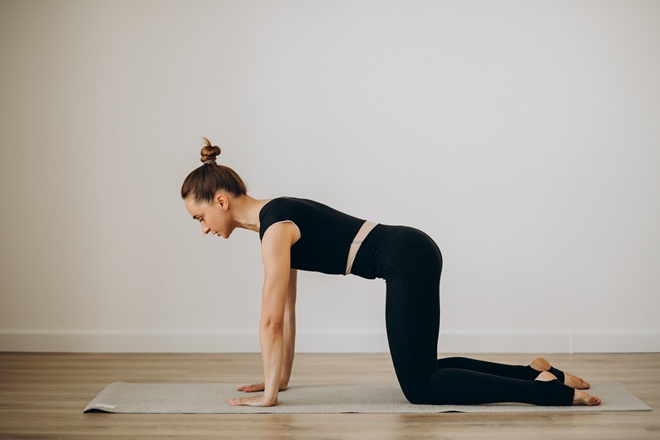
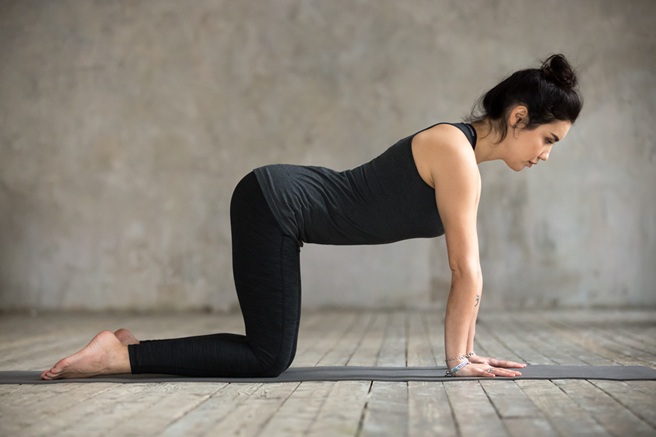
3. Marjariasana — Cat Pose
Cat Pose is often practiced together with Cow Pose as a gentle movement for the spine.
Start on your hands and knees. Move slowly with your breath rather than rushing through the movement.
4. Bitilasana — Cow Pose
From the same tabletop position, gently open the chest and move the spine in the opposite direction from Cat Pose.
Keep the movement comfortable and coordinated with your breathing.
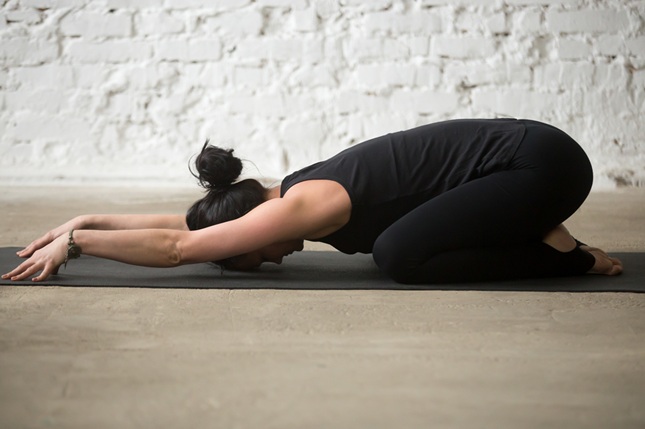
5. Balasana — Child’s Pose
Child’s Pose is a useful resting posture.
It can be practiced between more demanding poses whenever you need to pause and settle your breathing.
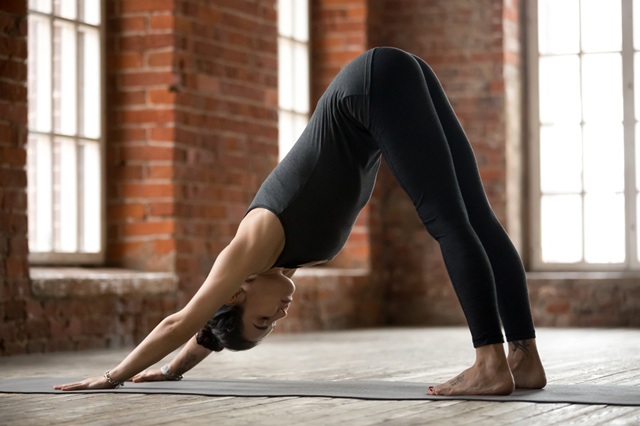
6. Adho Mukha Svanasana — Downward-Facing Dog
Downward-Facing Dog works the arms, shoulders, legs, and back.
Beginners often try to straighten the knees immediately. This is not necessary. Keeping the knees slightly bent can make the posture more comfortable while you learn the correct alignment.
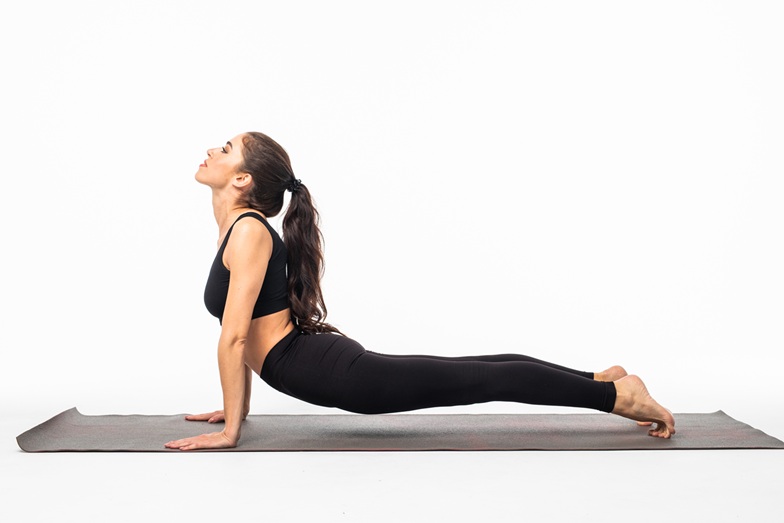
7. Bhujangasana — Cobra Pose
Cobra Pose gently strengthens the back and opens the front of the body.
Avoid trying to lift the chest as high as possible. Focus instead on lengthening through the spine and keeping the movement controlled.
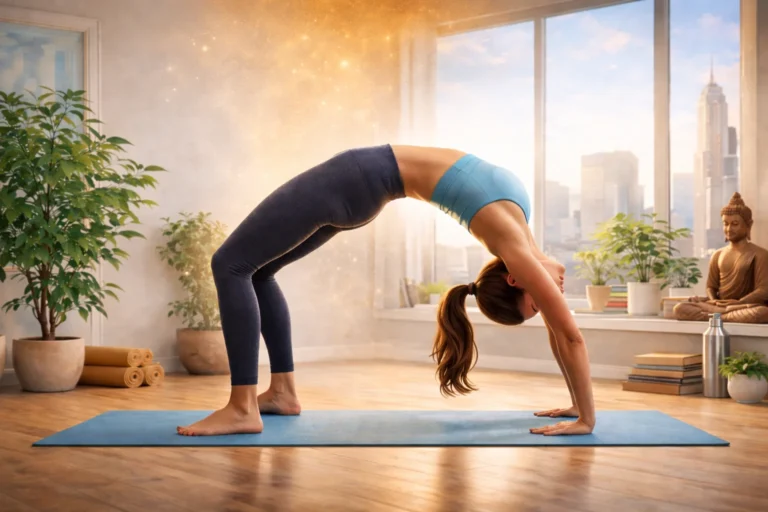
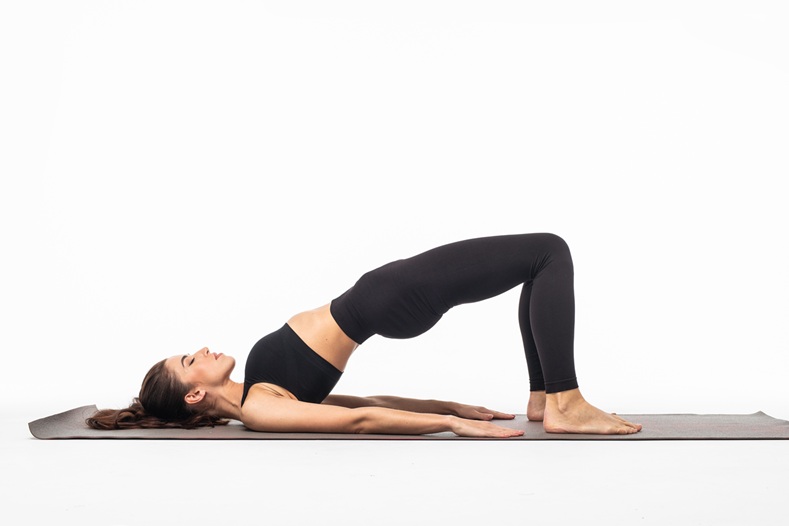
8. Setu Bandhasana — Bridge Pose
Bridge Pose is a beginner-friendly posture that works the legs and back while opening the front of the hips.
Move into the pose slowly and avoid forcing the neck.
9. Vrikshasana — Tree Pose
Tree Pose is a simple way to practice balance and concentration.
If balancing on one leg is difficult, keep one hand against a wall. Stability is more important than making the pose look perfect.
10. Shavasana — Corpse Pose
Shavasana is normally practiced at the end of a yoga session.
Lie comfortably on your back, allow your body to relax, and observe your natural breathing without trying to control it.
For many beginners, learning to stay still and relaxed can be surprisingly difficult. With practice, it becomes an important part of the session.
A Simple Yoga Routine for Beginners
If you are just starting, you do not need to practice for an hour every day.
Try this simple 20–25 minute routine:
1. Comfortable sitting — 2 minutes
Sit quietly and observe your breathing.
2. Cat-Cow — 3 minutes
Move gently with your breath.
3. Child’s Pose — 1 minute
4. Tadasana — 1 minute
5. Downward-Facing Dog — 1–2 minutes
6. Low Lunge — 2 minutes on each side
7. Cobra Pose — 3–5 gentle repetitions
8. Bridge Pose — 5–8 repetitions
9. Tree Pose — 30–60 seconds on each side
10. Shavasana — 5 minutes
Do not worry about completing the routine perfectly. The purpose is to become familiar with basic movements and breathing.
How Long Should Beginners Practice Yoga?
There is no single correct duration.
If you are completely new, 15–20 minutes of regular practice can be more useful than doing a long session once a week.
As you become comfortable, you can gradually increase your practice to 30, 45, or 60 minutes.
Consistency matters more than duration.
How Often Should a Beginner Do Yoga?
A good starting point is 3–4 days a week.
If you enjoy practicing every day, you can do so, but your sessions do not have to be intense every time.
For example:
- Monday: Basic yoga practice
- Tuesday: Breathing and gentle stretching
- Wednesday: Rest
- Thursday: Yoga practice
- Friday: Short mobility session
- Saturday: Yoga practice
- Sunday: Rest or gentle relaxation
This type of schedule is easier to maintain than trying to do an advanced routine every day.
Can Beginners Do Yoga at Home?
Yes. Yoga can be practiced at home with very little equipment.
A yoga mat is useful, but you can also use simple household support such as a cushion or folded blanket when appropriate.
For home practice, choose a quiet space where you have enough room to move safely.
If you are learning a new posture, it is better to understand the technique first rather than copying a difficult pose from a video without knowing the alignment.
Basic Yoga Breathing for Beginners
Breathing is an important part of yoga.
Start simply. Sit comfortably and breathe through the nose when possible. Notice the natural movement of the abdomen and chest.
Once comfortable with basic breathing awareness, beginners can gradually learn practices such as:
- Diaphragmatic breathing
- Nadi Shodhana
- Bhramari
- Kapalbhati under proper guidance
Pranayama should be learned carefully, particularly stronger breathing techniques. If you are completely new, learning from a qualified teacher is preferable to forcing the practice on your own.
Common Mistakes Beginners Make
Trying to Become Flexible Quickly
Yoga is not a flexibility competition. Forcing a stretch can make the practice uncomfortable and may increase the risk of injury.
Comparing Yourself With Other People
Everyone starts from a different physical background.
Your practice should be based on your own progress rather than how another person looks in a pose.
Holding Your Breath
Beginners sometimes concentrate so hard on the posture that they forget to breathe.
Keep the breath steady and avoid unnecessary tension.
Doing Too Much Too Soon
Practicing difficult poses before understanding the basics is unnecessary.
Build your foundation first.
Ignoring Rest
Rest is part of yoga practice. If your body needs a break, take one.
Shavasana and gentle recovery practices are not wasted time.
What Should a Beginner Wear for Yoga?
Wear clothing that allows you to move comfortably.
You do not need expensive yoga clothes. A comfortable T-shirt, yoga pants, leggings, or other flexible clothing is usually enough.
Avoid clothing that restricts movement or makes it difficult for you to see your body’s alignment.
What Is the Best Time to Practice Yoga?
The best time is the time you can follow consistently.
Many people prefer practicing in the morning when the surroundings are quieter. Others find an evening practice easier to maintain.
If practicing in the morning, give yourself enough time to wake up and prepare before doing demanding movements.
Avoid practicing immediately after a heavy meal.
Yoga for Beginners: What to Expect in a Yoga Class
Your first class may feel unfamiliar.
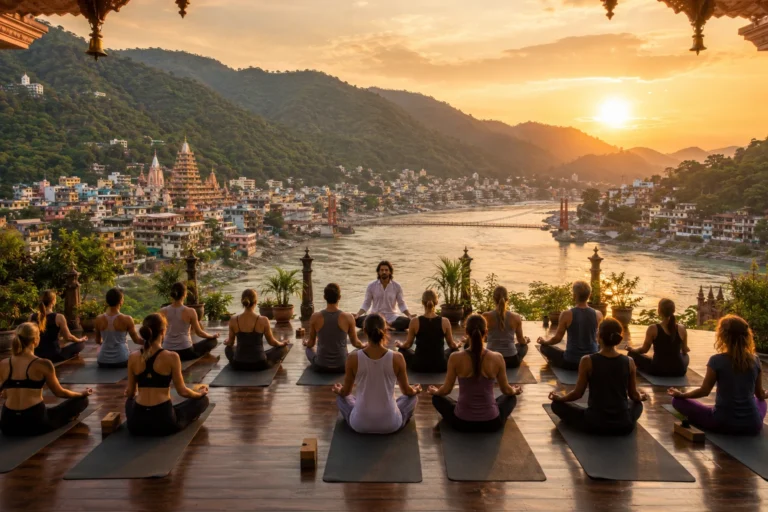
A typical beginner-friendly session may include:
- Centering or quiet sitting
- Breathing awareness
- Warm-up movements
- Basic asanas
- Relaxation
- Short meditation
The teacher may also explain alignment, breathing, and modifications for different bodies.
Do not hesitate to tell your teacher that you are new to yoga. A good teacher should be able to offer suitable variations.
When Should You Move From Beginner Yoga to a More Structured Course?
Once you become interested in understanding yoga beyond individual poses, a structured course can be useful.
A proper yoga teacher training program covers more than asanas. Students learn subjects such as anatomy, pranayama, meditation, teaching methodology, alignment, philosophy, and traditional yoga practices.
For students who want a deeper foundation, a 200 Hour Yoga Teacher Training in Rishikesh can be a natural next step.
At Rishikesh Yog Kendra, the 200-hour program combines Hatha Yoga, Ashtanga Vinyasa, pranayama, meditation, anatomy, philosophy, alignment, and teaching methodology in a residential format.
Final Thoughts
Starting yoga does not require perfect flexibility or advanced poses.
Begin with simple postures. Learn how to breathe comfortably. Give your body time to adapt, and focus on practicing regularly rather than trying to achieve a particular shape.
The first few weeks are mainly about learning how yoga feels in your own body.
Once the basics become familiar, you can gradually explore pranayama, meditation, traditional Hatha Yoga, Ashtanga Vinyasa, and other aspects of the practice.
Yoga is not something you need to master in a few sessions. Give yourself time to learn it properly.
Frequently Asked Questions About Yoga for Beginners
Yes. Lack of flexibility is one of the most common reasons people hesitate to start, but flexibility is not a requirement for yoga.
How many minutes of yoga should a beginner do?
Start with around 15–30 minutes. You can increase the duration as your body becomes comfortable with regular practice.
What are the best yoga poses for beginners?
Tadasana, Sukhasana, Balasana, Cat-Cow, Downward-Facing Dog, Cobra Pose, Bridge Pose, Tree Pose, and Shavasana are useful foundational poses.
Can I learn yoga at home?
Yes. Beginners can start with basic postures and breathing at home. However, proper guidance is particularly useful when learning alignment, pranayama, and more advanced practices.
Is yoga only for women?
No. Yoga is practiced by people of all genders and ages.
Can yoga help with stress?
Yoga combines physical movement, breathing, relaxation, and concentration, which can make it a useful practice for managing everyday stress and developing relaxation skills.
Is yoga difficult for beginners?
Some poses may feel challenging at first, especially if your body is stiff or you are unfamiliar with the movements. Start with simple practices and progress gradually.