Español


Panchakarma & Ayurveda Retreat in Rishikesh, India
Programme Highlights
- Duration5, 7, 10 or 14 Days
- LanguageHindi / English
- ModuleResidential or Treatment Only
- Before BookingPractitioner Consultation Required
- SupervisionExperienced Ayurvedic Practitioners
- StyleTraditional Panchakarma
Panchakarma Fee
From 5 Days- With AccommodationRoom and three satvic meals a day includedfrom $500$600
- Treatment OnlyTherapies and consultation, no stay includedfrom $300
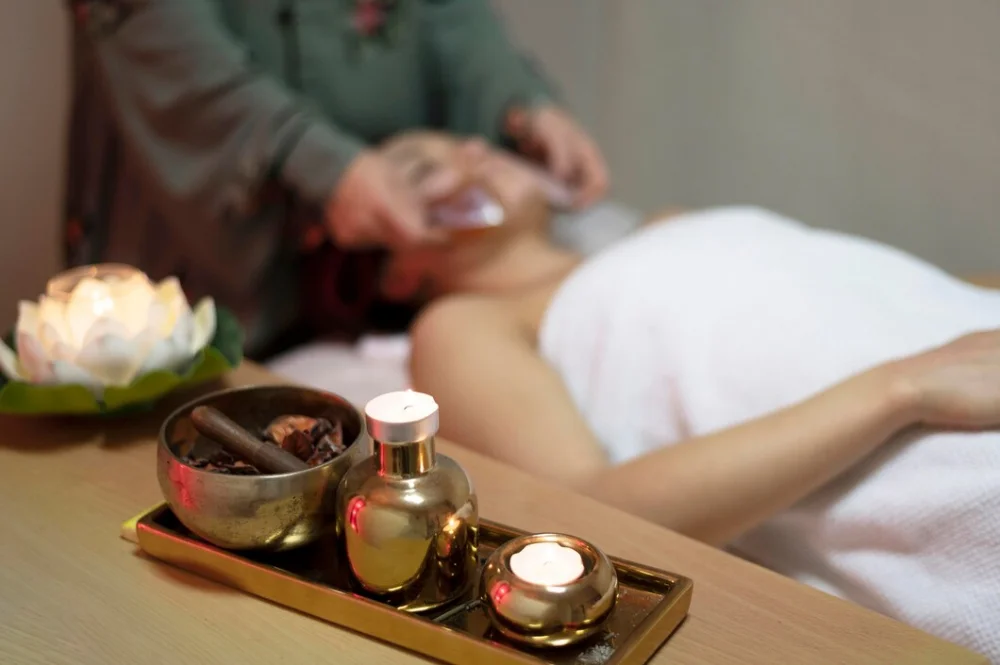
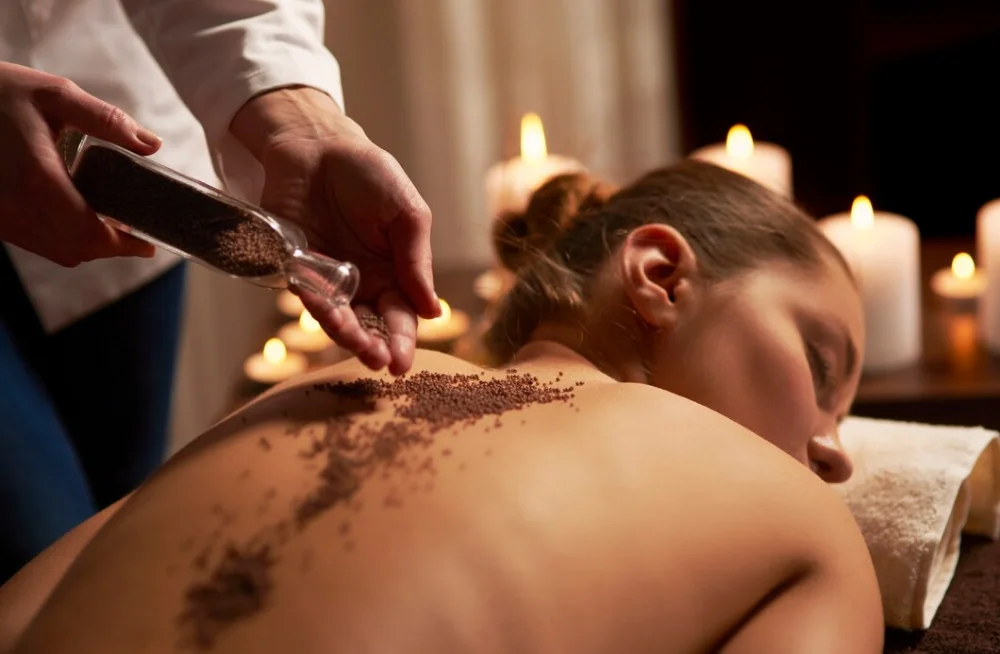
Ayurveda is India's traditional system of health, and Panchakarma is its deepest cleansing process. The Panchakarma & Ayurveda Retreat at Rishikesh Yog Kendra lets you experience this time-honoured approach to detoxification and rejuvenation, and understand the principles behind it, in the land where both yoga and Ayurveda began.
Panchakarma, which means the five actions, is a structured programme of cleansing therapies intended to clear built-up toxins and bring the body and mind back into balance. At our centre it is always guided by a qualified Ayurvedic doctor, who assesses your constitution and your needs before any therapy begins, so the programme is shaped around you rather than applied as a fixed routine.
The retreat is offered over 5, 7, 10 or 14 days, so you can choose the depth that suits your time and your goals. Alongside the Panchakarma therapies, your days include gentle yoga, pranayama and meditation, a Sattvic diet, and time to rest, all of which support the cleansing process. You also learn the ideas behind Ayurveda: the doshas, your own constitution, and how diet and lifestyle shape health.
It suits people looking for a genuine detox and reset, as well as those who want to understand Ayurveda from its source. No medical or yoga background is required, and every therapy is carried out under professional guidance, with your health taken carefully into account.
Staying in Rishikesh, beside the Ganga and surrounded by nature, gives the experience a calm and authentic setting.
If you are looking for a Panchakarma detox or an Ayurveda retreat in India that is traditional, personal and guided by qualified practitioners, this is built to give you exactly that.
Panchakarma & Ayurveda Retreat Overview
The Panchakarma & Ayurveda Retreat at Rishikesh Yog Kendra is a residential Ayurvedic detox and rejuvenation programme in Rishikesh, India, offered over 5, 7, 10 or 14 days. Guided by a qualified Ayurvedic doctor, it combines the cleansing therapies of Panchakarma with daily yoga, meditation and a Sattvic diet, and teaches the principles of Ayurveda, including the doshas and your individual constitution.
This is a retreat first: you come to rest, cleanse and restore. Alongside that, you also come to understand what Ayurveda is and how it views health, so you leave with a genuine reset and a real sense of why it works.
Everything begins with a consultation. Before any therapy, a qualified Ayurvedic doctor assesses your constitution, any imbalances, your digestion and your general health, and only then designs a programme suited to you. This is what makes Panchakarma a personal process rather than a fixed package.
Your retreat includes:
- ConsultationA consultation with a qualified Ayurvedic doctor.
- Panchakarma TherapiesPersonalised Panchakarma cleansing therapies.
- Supporting TreatmentsSupporting treatments such as Ayurvedic massage, herbal oil therapies and steam.
- Daily PracticeDaily yoga, pranayama and meditation.
- Sattvic DietA Sattvic Ayurvedic diet to support cleansing.
- Ayurvedic GuidanceGuidance on Ayurvedic principles: the doshas, your constitution and a healthy lifestyle.
- AccommodationResidential accommodation and time to rest (accommodation optional on some fee plans).
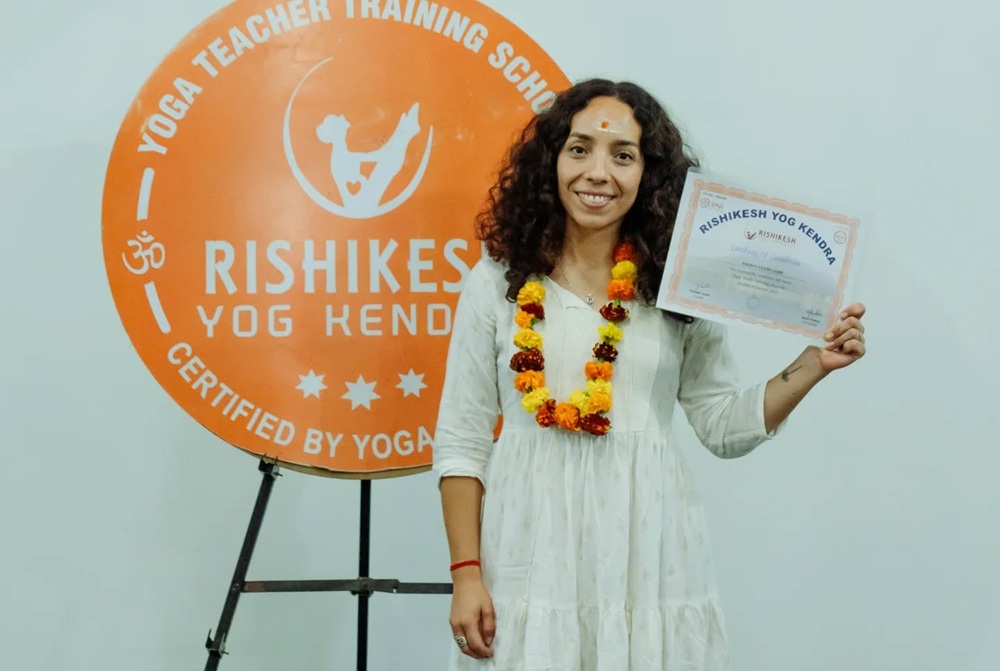
The retreat runs in 5, 7, 10 or a 14 day formats, so you can choose a short reset or a deeper cleanse, and it is guided in English and Hindi. On completion you receive a certificate of completion from Rishikesh Yog Kendra. Because the therapies are individual and health-focused, please share any medical condition, medication or pregnancy when you enquire, so the doctor can advise you honestly on what is suitable.
What does Panchakarma mean, and how does it work?
Panchakarma means “five actions” and is the central detoxification process of Ayurveda. It uses a set of cleansing therapies to remove accumulated toxins and restore the natural balance of the doshas. A full Panchakarma is carried out in three phases, preparation, main cleansing and aftercare, and always under the guidance of a qualified Ayurvedic doctor.
- Vata
- Pitta
- Kapha
In Ayurveda, health is understood as a balance of three doshas, Vata, Pitta and Kapha, and each person has their own constitution, or Prakriti. When diet, lifestyle or stress upset that balance, toxins are said to build up, and Panchakarma is the traditional way of clearing them and helping the body return to balance.
Panchakarma works through two broad approaches:

Purification — the active removal of toxins through the cleansing therapies.

Pacification — the gentler settling and balancing of the doshas through diet, herbs and lifestyle.
A well-designed programme uses both, in the right measure for you.
-
Purvakarma Preparation
The body is gently prepared for cleansing, typically through oil therapies (massage and internal oils) and steam, which help loosen and move toxins toward the digestive tract.
-
Pradhan Karma Main cleansing
The principal Panchakarma therapies themselves, chosen by the doctor for your constitution and needs.
-
Pashchatkarma Aftercare
The equally important recovery phase, with a carefully guided diet, rest and lifestyle advice, so the benefits of the cleanse are maintained.
Because the process is individual, no two programmes are identical, and the doctor’s assessment at the start is what shapes your whole retreat.
What are the five therapies of Panchakarma we follow?
The five therapies of Panchakarma are Vamana, Virechana, Basti, Nasya and Raktamokshana. Each works on a different dosha and system, and which of them are appropriate for you is decided by the Ayurvedic doctor after consultation. They are always carried out under professional supervision, and not every therapy is used for every person.



An important point first: these are traditional therapeutic procedures, not a fixed checklist. The doctor selects only what suits your constitution and health, and some of the five may not be used at all in your programme. Here is what each one is.
- Kapha
Vamana
A supervised therapeutic emesis, traditionally used in Ayurveda to clear excess Kapha from the upper body. It is prepared for carefully and carried out only when the doctor considers it appropriate.
- Pitta
Virechana
A cleansing purgation therapy, traditionally used to reduce excess Pitta and support the cleansing of the digestive system, again under close supervision.
- Vata
Basti
A medicated enema therapy, considered one of the most important Panchakarma treatments, traditionally used to balance Vata, which governs movement in the body.
- Upper Body
Nasya
The administration of medicated oils or herbal preparations through the nose, traditionally used to work on the head and the channels of the upper body.
- Blood
Raktamokshana
A traditional blood-cleansing therapy, used in Ayurveda to purify the blood. As with the others, it is only carried out when suitable and under professional care.
Alongside these, the retreat typically includes supporting therapies that make the process comfortable and effective, such as Abhyanga (warm Ayurvedic oil massage), Swedana (herbal steam or sweating therapy) and other oil and herbal treatments. These nourish the tissues, ease the body and support the deeper cleansing work.
Is Our Panchakarma & Ayurveda Retreat Right for You?
This retreat suits people who want a genuine Ayurvedic detox and rest, and those who want to understand Ayurveda from its source. It welcomes complete beginners, wellness seekers, yoga practitioners and anyone curious about traditional Indian healing. No medical or yoga background is required, but because the therapies are health-based, suitability is always confirmed by the Ayurvedic doctor.
A cleansing programme asks something of you, so it helps to know whether it fits before you book.
This retreat is likely a good fit if you recognise yourself in any of these:
-
You want a real detox and reset
You feel run down by diet, stress or lifestyle and want a traditional, guided way to cleanse and restore balance.
-
You are curious about Ayurveda
You want to understand how Ayurveda views health, discover your own constitution, and take that knowledge home.
-
You practise yoga or work in wellness
You would like to add an understanding of Ayurveda and Panchakarma to your own practice or work.
-
You want rest in a natural setting
You are looking for quiet, nourishing days beside the Ganga rather than an intense schedule.
It is equally important to be honest about suitability. Panchakarma involves therapeutic procedures, so it is not appropriate for everyone at every time. If you are pregnant, have a medical condition, or take regular medication, please tell us when you enquire and consult your own doctor, as some therapies will not be suitable and the Ayurvedic doctor will adjust or advise accordingly.
Your safety guides every part of the programme.
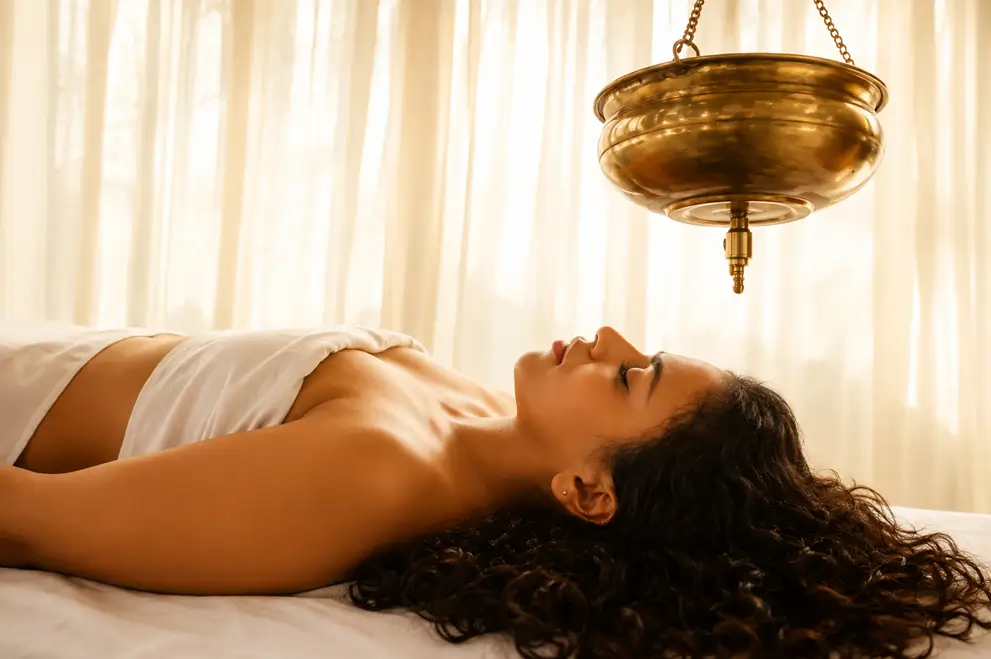

What You Will Experience on our Panchakarma & Ayurveda Retreat?
You receive personalised Panchakarma cleansing therapies, take part in daily yoga and meditation, and eat a Sattvic Ayurvedic diet, with plenty of time to rest. Alongside the experience, you come to understand the foundations of Ayurveda: the three doshas, your own constitution, the difference between purifying and pacifying approaches, and how diet and lifestyle support health.
The retreat brings two things together, an experience and an understanding.
The Experience
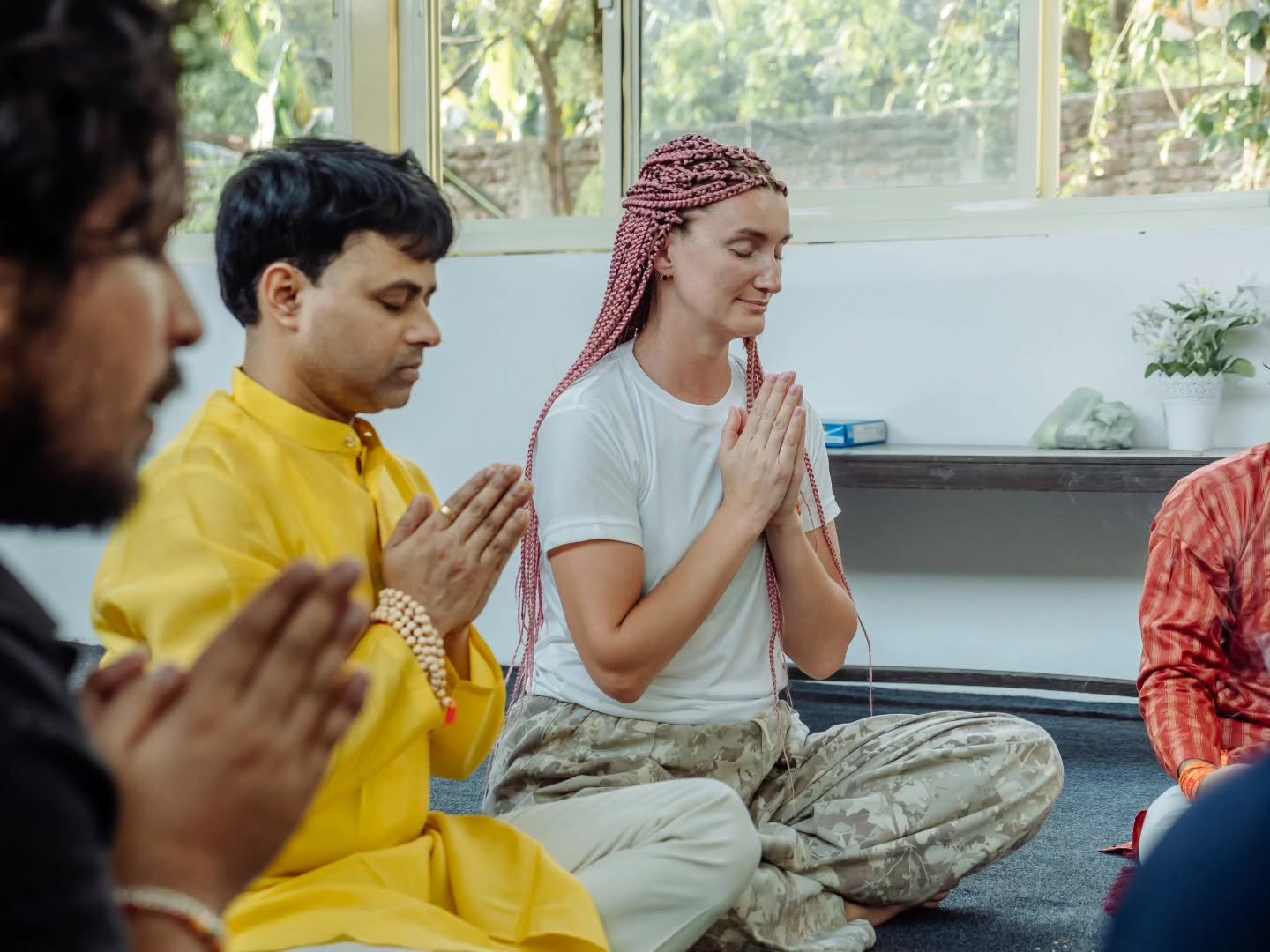
On the experience side, you receive the Panchakarma therapies chosen for you, supported by Ayurvedic massage and herbal treatments, and your days are shaped around gentle yoga, pranayama, meditation and a cleansing Sattvic diet, with plenty of rest.
The Understanding
On the understanding side, you come away knowing:
- The three doshas — Vata, Pitta and Kapha, and what balance and imbalance mean.
- Your own constitution — Prakriti, and why it matters for health.
- Shodhana and Shamana — the purifying and pacifying approaches of Ayurveda.
- Diet and lifestyle — how everyday choices affect the doshas.
- The principles of Panchakarma — so you understand what the therapies do and why.
You leave not only rested and cleansed, but with practical Ayurvedic knowledge you can apply to daily life at home.
Speak With Our Yoga Retreat Advisor
Choosing this right panchakarma ayurveda is an important decision. Speak with our Retreat Advisor to discuss the curriculum, daily schedule, accommodation, fees, and everything you need to know before joining. We're here to make your journey simple and stress-free.
Connect on WhatsApp Chat with our course advisorGet a reply within 15 minutes during working hours
Why Choose Rishikesh Yog Kendra for a Panchakarma Retreat?
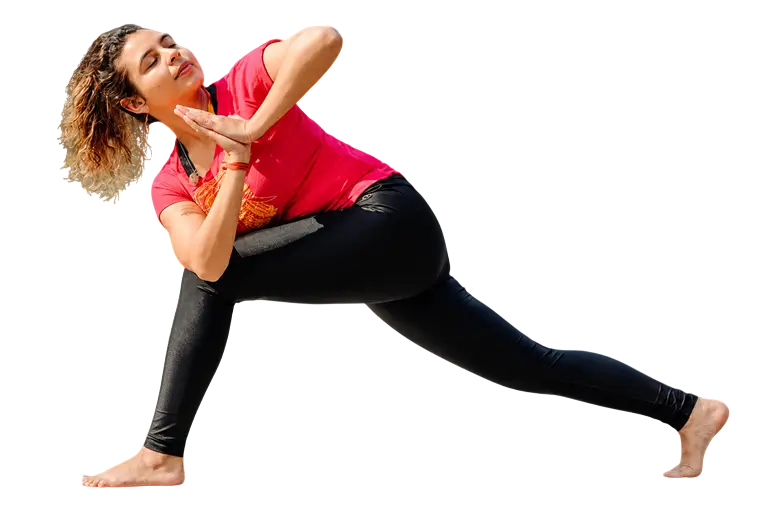
Experience
Rishikesh Yog Kendra offers a Panchakarma and Ayurveda retreat guided by a qualified Ayurvedic doctor, with personalised therapies, daily yoga and meditation, and a Sattvic diet, in a peaceful residential setting beside the Ganga. Flexible 5, 7, 10 and 14 day options and a traditional, safety-first approach make it suitable for a genuine detox and for understanding Ayurveda from the source.
-
![Warm oil therapy session guided by an Ayurvedic practitioner]()
![The Rishikesh Yog Kendra campus where consultations are held]()
Guided by a Qualified Ayurvedic Doctor
Every programme begins with a consultation and is tailored to your constitution and health, rather than offered as a one-size package.
-
![The Rishikesh Yog Kendra campus in the Himalayan foothills]()
![Traditional residential accommodation on campus]()
Traditional and Authentic
Experiencing Ayurveda and Panchakarma in India, and in Rishikesh, places the retreat within the tradition it comes from.
-
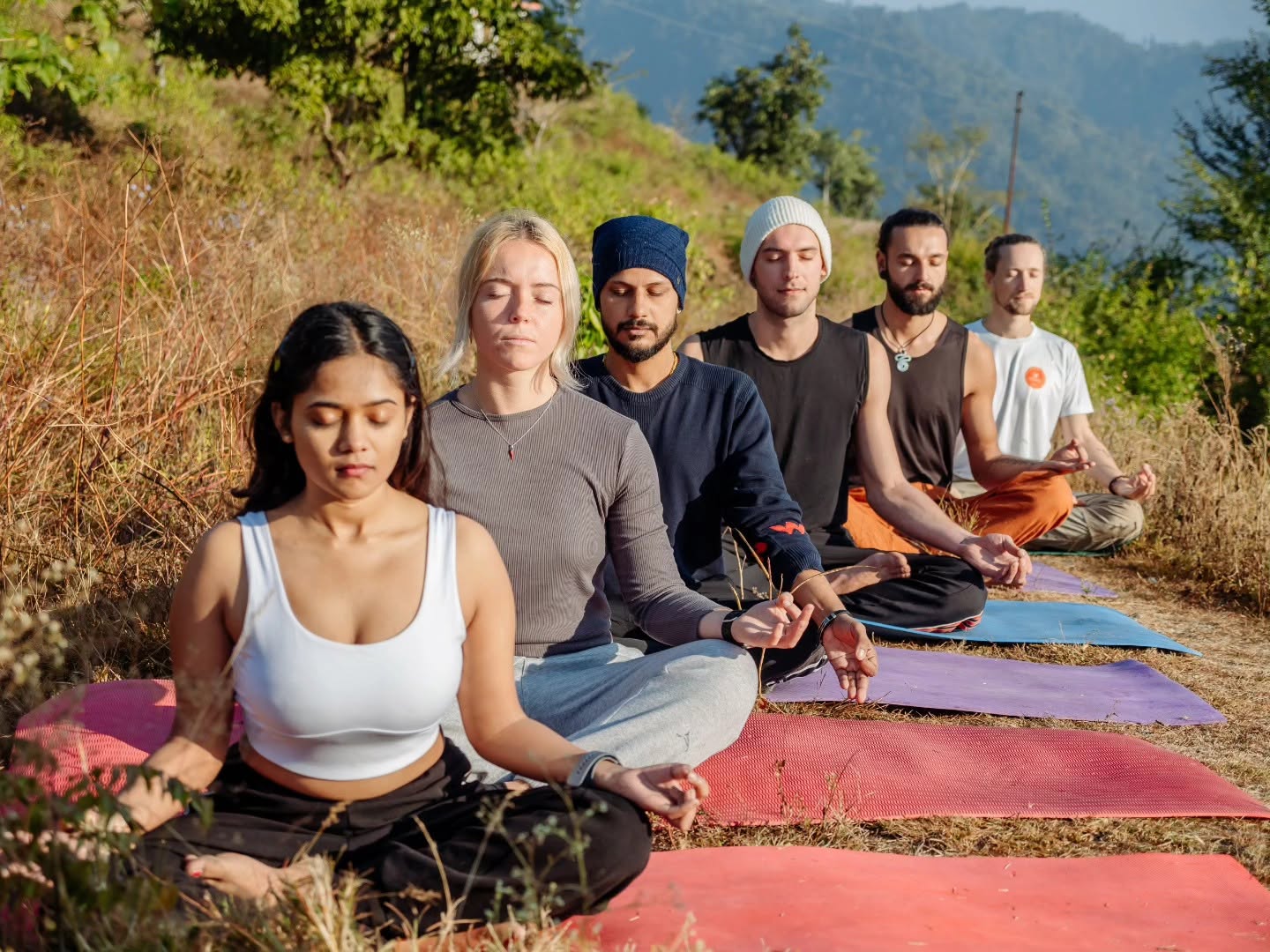
![Morning yoga practice alongside the Panchakarma programme]()
![Evening meditation session during the retreat]()
Yoga and Ayurveda Together
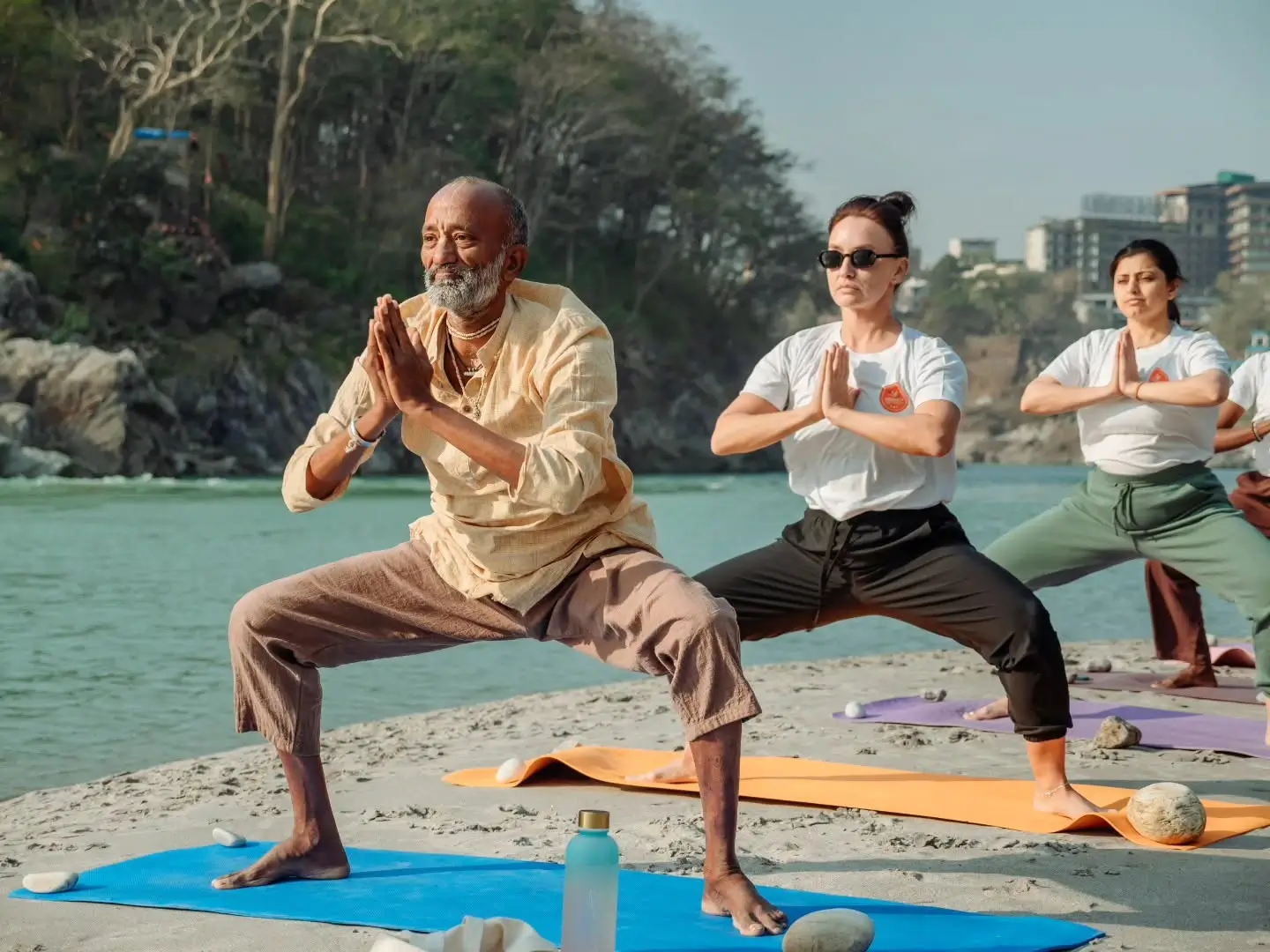
Daily yoga, pranayama and meditation support and deepen the cleansing, so body and mind are cared for as one.
-
![The peaceful Rishikesh Yog Kendra campus grounds]()
![Campus pathway leading toward the practice halls]()
Flexible Durations
Choose a 5, 7, 10 or 14 day programme to match your time and how deep a cleanse you want.
-
![Sattvic vegetarian meals served daily to guests]()
![Fresh seasonal ingredients prepared for the cleansing diet]()
A Sattvic, Supportive Diet
Fresh, seasonal Ayurvedic food is prepared to support the cleansing process throughout your stay.
-
![The banks of the Ganga below Tapovan, Rishikesh]()
![A quiet room where guests rest during the programme]()
A Calm, Natural Setting
A calm, natural setting. The peaceful surroundings beside the Ganga give you the rest that a genuine detox needs.
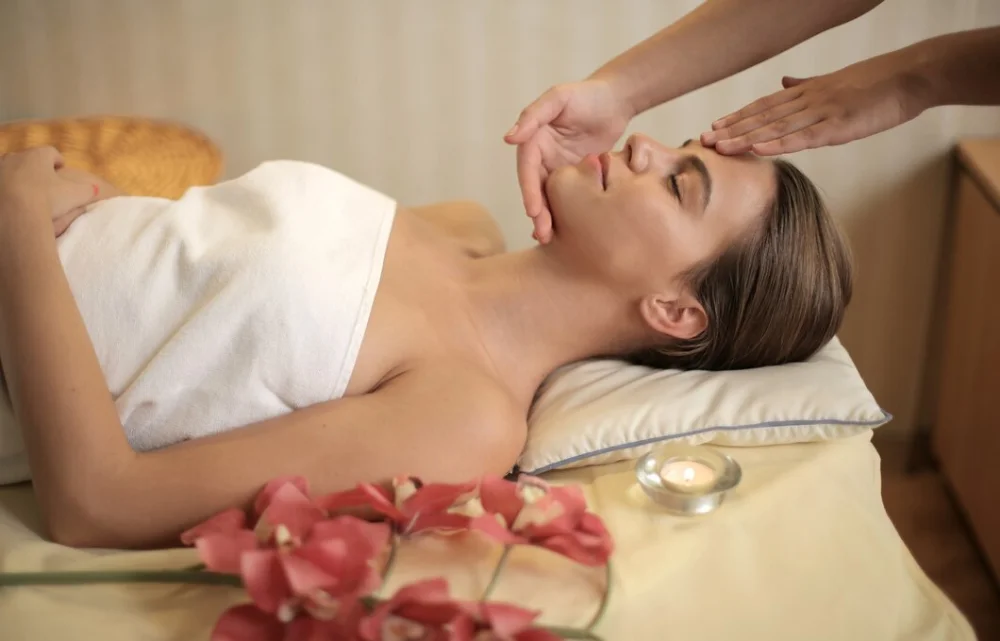
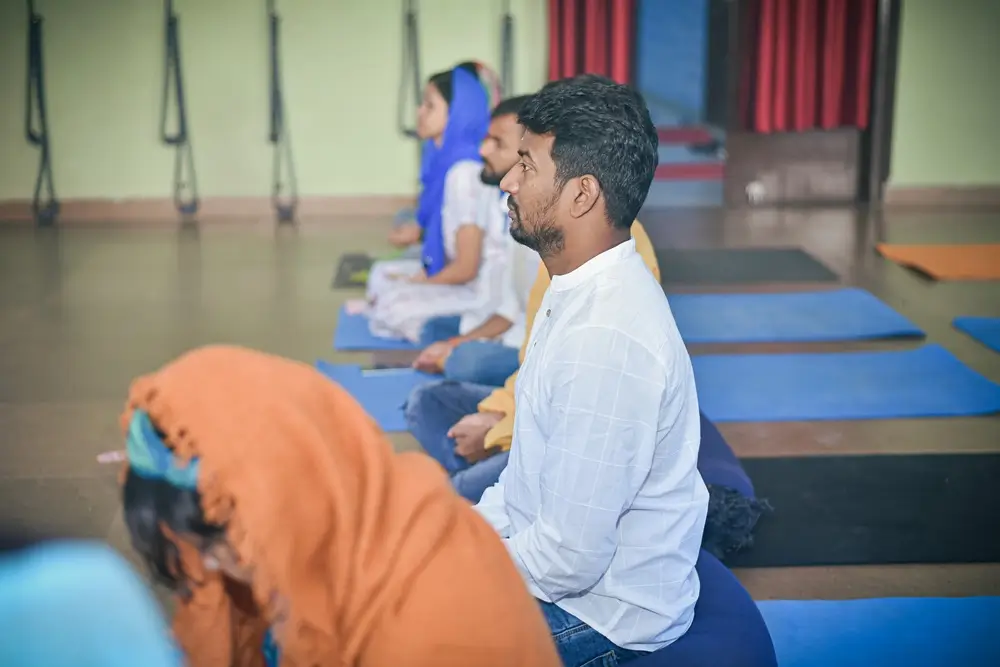
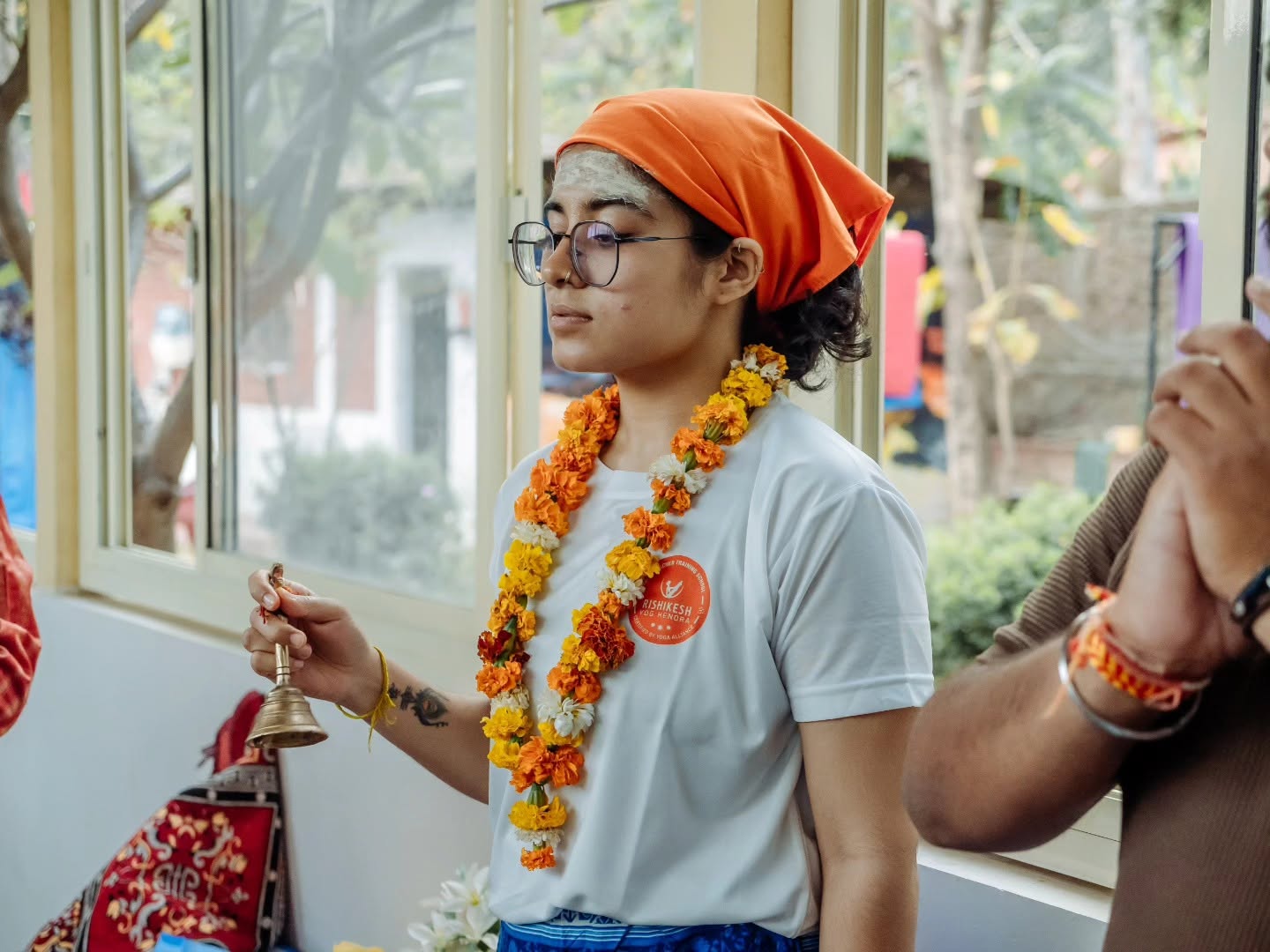
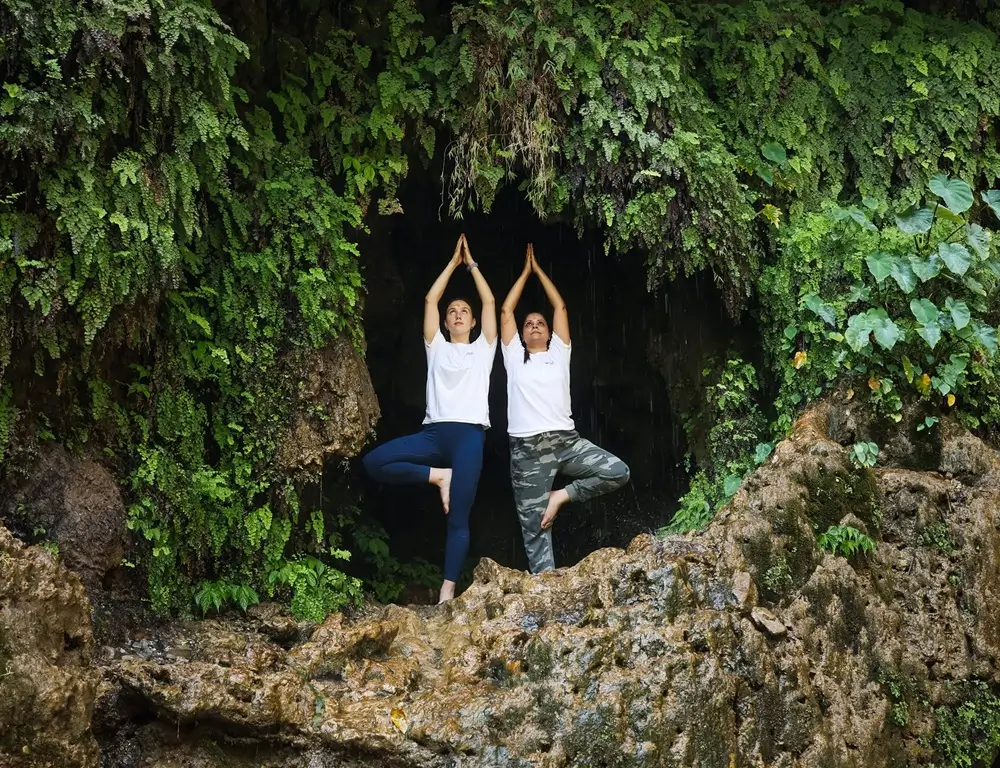
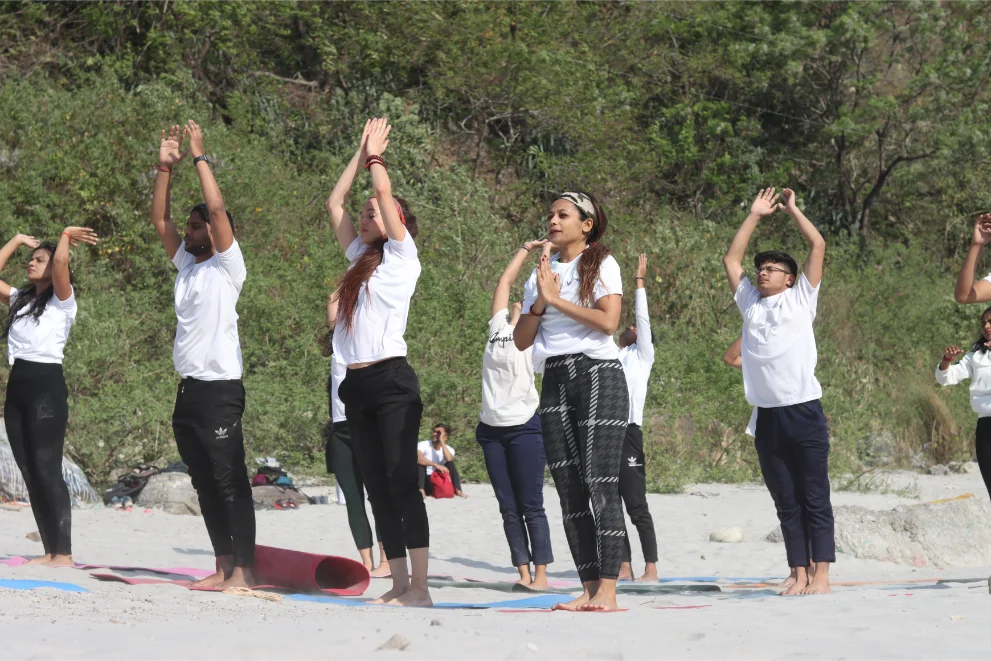
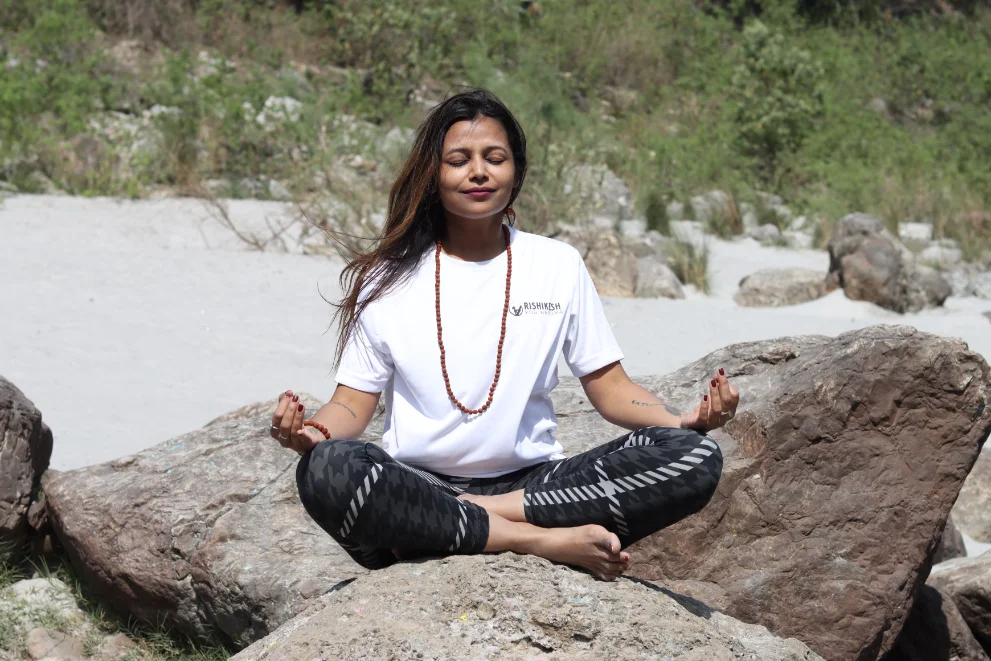
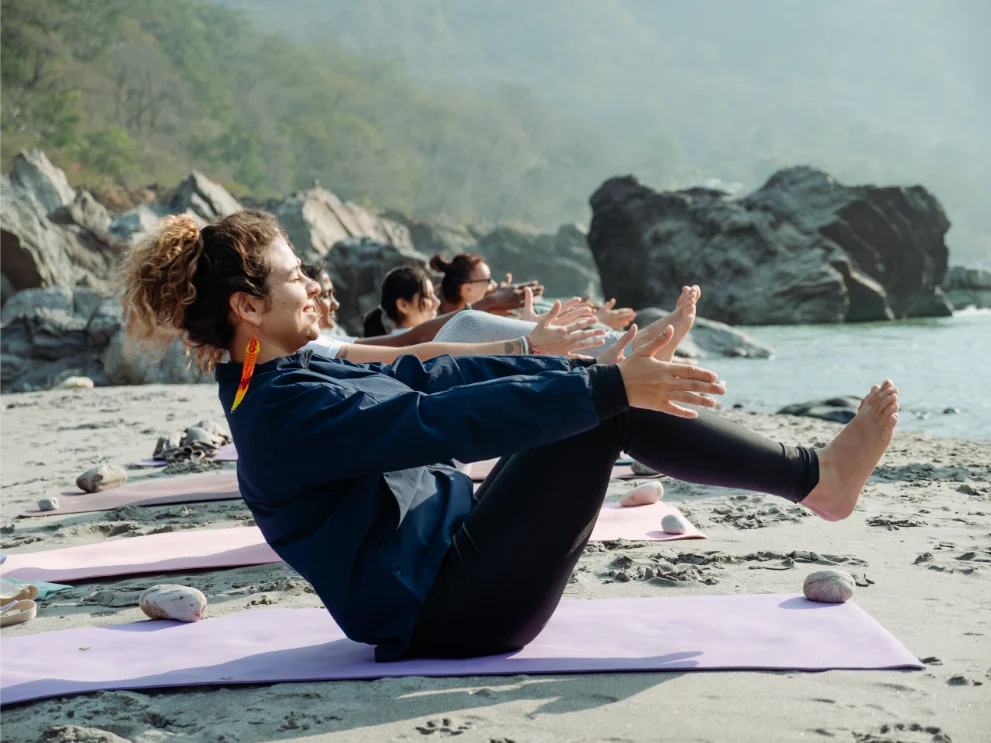
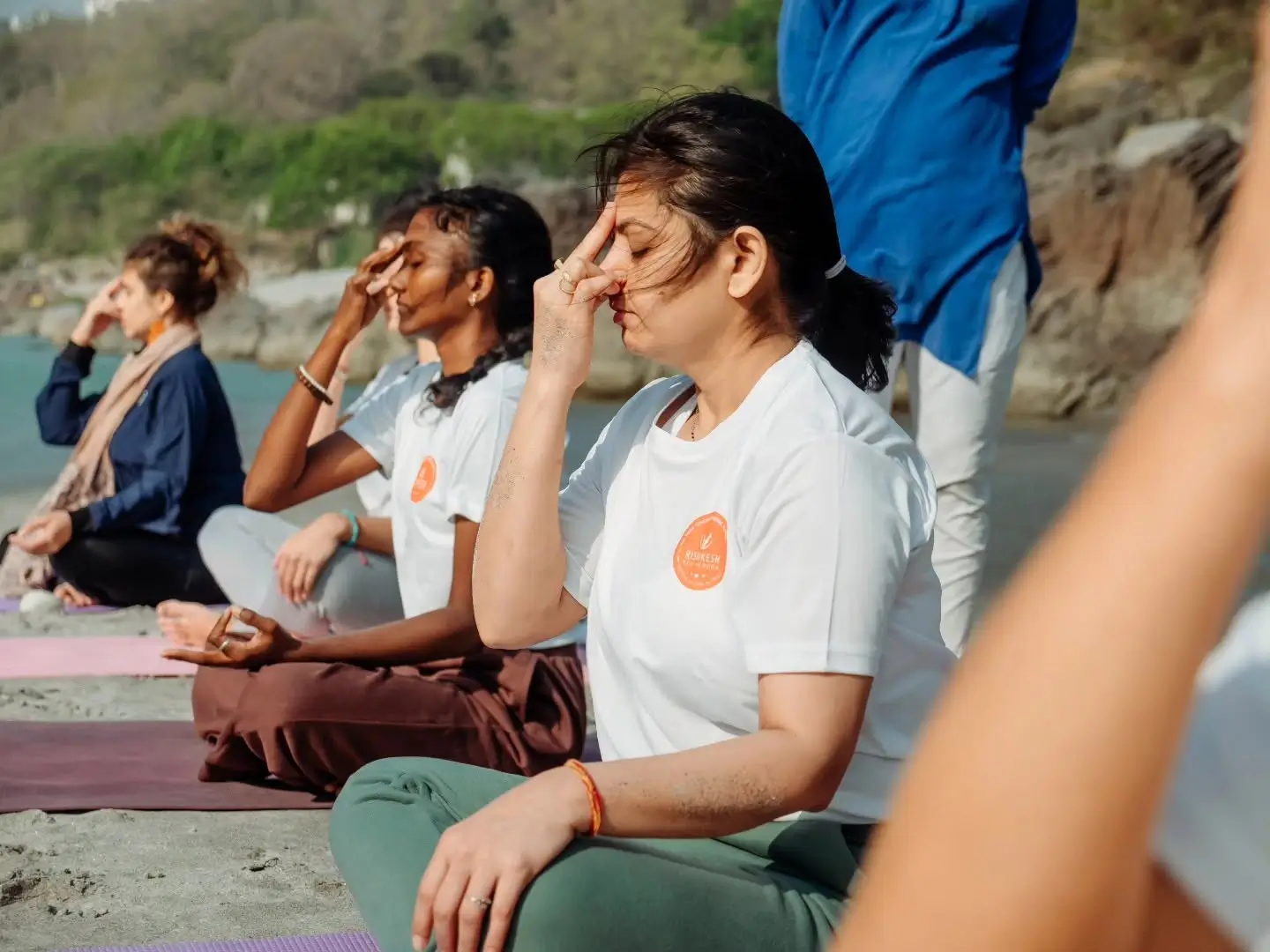
A cleansing retreat is built on trust, especially where health is involved. We aim to earn it through qualified guidance, an honest and personal approach, and careful attention to your wellbeing.
Detailed Panchakarma Procedures
Panchakarma is a sequence, not a set of treatments you can pick from. The body is prepared, then cleared, then rebuilt — and each phase depends on the one before it. Trying to shorten the process by skipping to the middle is the most common way it is done badly, which is part of why the programme runs in days rather than hours.
-
Snehan — Oleation Therapy
SofteningOleation works from the inside and the outside at once. Internally, medicated oils and ghee are taken to begin loosening what is held in the tissues; externally, warm medicated oils are worked into the body through massage. The oils are chosen for your constitution rather than taken from a standard list. For most guests this is the most straightforwardly pleasant part of the programme, and it usually runs for several days before anything else begins.
-
Swedana — Sweating Therapy
MobilisingSweating follows the massage, induced in a sweat box, and it does the second half of the preparation: what the oil has softened, the heat now moves. The purpose of this whole first phase is to liquefy what is lodged in the peripheral tissues and bring it toward the digestive tract, where the main procedures can clear it. Nothing is expelled yet — that is deliberate, and going too early is precisely what Purvakarma exists to prevent.
Five procedures, and why you will not receive all of them
Each addresses a different dosha. Which ones are appropriate for you is decided at your consultation, and applying the wrong one is worse than applying none — so this is an assessment rather than a menu. All preparations are made up and administered by our practitioners.
-
Vamana
Therapeutic emesis, addressing Kapha accumulated in the upper body — the chest, the stomach and the respiratory passages. The body is prepared for several days beforehand, and the procedure itself is brief and supervised throughout. Of the five, this is the one most often left out, because it is appropriate for a narrower group of people than the others.
-
Virechana
Therapeutic purgation, addressing excess Pitta and working through the digestive tract and the blood. It follows a properly completed oleation phase, and is succeeded by a carefully staged diet as the digestive fire rebuilds — that diet is as much a part of the procedure as the day itself. Of the five, this is the one most commonly indicated.
-
Basti
Medicated enema therapy, using herbal oils and decoctions, and the principal treatment for Vata. The classical texts regard Basti as the most important of the five — Vata is held to be the dosha that drives the other two, so settling it settles a great deal else. It is usually given as a course over several days rather than once, and it supports the health of the colon along the way.
-
Nasya & Rakta Mokshana
Nasya is administration through the nasal passages, using herbal oils or powders. It works on Kapha held in the head and neck, and on Prana, and it is among the gentlest of the five — often continued as a simple daily practice long after the programme ends.
Rakta Mokshana is the classical fifth, a blood-purification procedure. It is indicated far less often than the others and is offered only where the assessment calls for it.

The phase that decides whether any of it holds
After cleansing, the body is open and the digestive fire is rebuilding. What happens now matters as much as the procedures did, and it is the part most often skipped elsewhere — which is why a longer programme is worth more than a longer main phase.
-
Rebuilding Agni
The staged return to ordinary food, beginning light and thin and building back gradually. It cannot be rushed, and rushing it is the single most common way guests undo their own cleanse in the first week home. You leave knowing exactly what that progression looks like.
-
Rejuvenation & Rest
Rejuvenative therapies to restore strength, and rest — genuinely, and more of it than most people expect. It is scheduled into the afternoons rather than left to chance, because a body that has just been cleared does its rebuilding while you are doing nothing at all.
-
Diet & Lifestyle to Take Home
Personalised dietary and lifestyle recommendations built around your constitution rather than a general plan — what suits a Vata body and what suits a Kapha one are not the same, and this is where that becomes practical rather than theoretical.
-
Yoga & Meditation Throughout
Gentle Hatha and pranayama each morning and meditation twice a day run through all three phases, kept deliberately soft during the cleansing days. They are part of the treatment rather than an activity programme, and they give you something to keep after you leave.




What is the Daily Schedule for the Panchakarma Programme?
A gentle rhythm — from first breath at dawn to stillness at night.
-
Dawn
05:30 — 07:00- Wake Up Time 05:30
- Meditation 06:00 – 07:00
-
Morning
07:30 — 10:00- Hatha Flow and Pranayama 07:30 – 09:00
- Breakfast 09:00 – 10:00
-
Midday
11:00 — 13:30- Panchakarma Therapy 11:00 – 12:45
- Lunch 13:00 – 13:30
-
Afternoon
14:00 — 18:30- Self-study & Free Time 14:00 – 15:00
- Rest — part of the treatment 15:00 – 18:30
-
Evening
18:30 — 20:00- Dinner 18:30 – 19:00
- Meditation 19:30 – 20:00
-
Night
21:00- Relax & Sleep 21:00


* Schedule may vary slightly depending on the programme and season
Programme Options, Fees & Registration
Choose the length that suits you. Every option covers the therapies, your consultation, daily yoga and meditation and the excursions — and each is offered two ways, with your room and meals included or as treatment only for guests already staying in Rishikesh.
Course Timeline
Course Fees


 What's Included
 ![]() Practitioner Consultation
Practitioner Consultation ![]() All Panchakarma Therapies
All Panchakarma Therapies ![]() Daily Yoga & Meditation
Daily Yoga & Meditation ![]() Excursions Included
Excursions Included
Consultation First • Small Groups • Dates on Request
What's Included & Not Included in the Programme Fee
The programme is offered two ways, so it is worth being exact. Every option covers your consultation, the therapies, the daily yoga and meditation and the excursions. The residential option adds your room and three satvic meals a day; the treatment-only option does not, and is meant for guests already staying in Rishikesh.
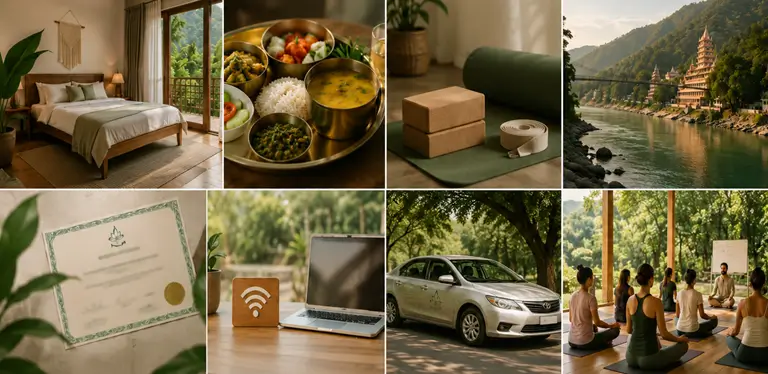
What's Included
Everything covered inside your program fee
-
Practitioner ConsultationAssessment of your constitution and the therapies suited to you
-
All Panchakarma TherapiesEvery procedure indicated for you across the three phases
-
Daily Yoga & MeditationGentle Hatha and pranayama each morning, meditation twice daily
-
Excursions1 excursion on the 5 and 7 day programmes, 2 on the 10 and 14 day
-
AccommodationPrivate or shared room — residential option only
-
Satvic Meals3 vegetarian meals daily, suited to your phase of treatment — residential option only
-
Aftercare GuidancePersonalised diet and lifestyle recommendations to take home
-
WiFi AccessHigh-speed internet throughout the campus
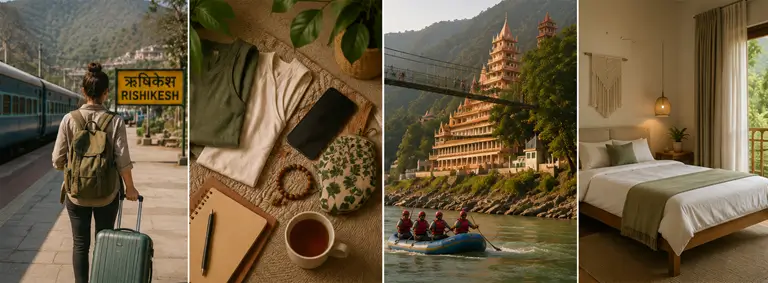
Not Included
Good to know before you book
-
Accommodation & MealsNot included in the treatment-only price — choose the residential option for these
-
Travel CostsTravel to and from Rishikesh
-
Personal ExpensesLaundry, telephone, shopping and any extra meals
-
Extra StayAny nights before or after the programme dates
Who You Will Meet
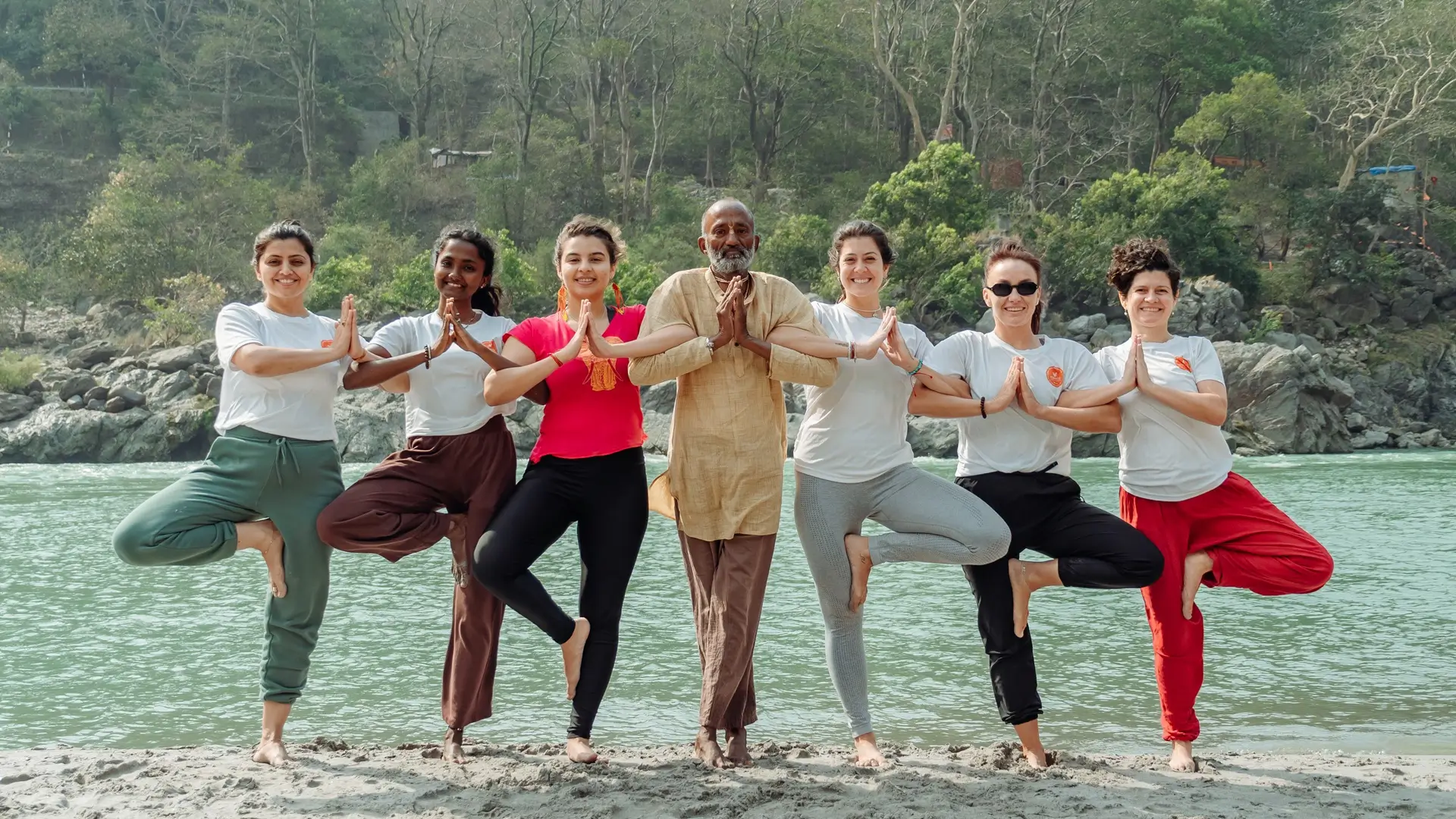
Two teams look after you on this programme. Your Panchakarma therapies are assessed and delivered by our Ayurvedic practitioners, who work with you individually from the consultation onward. The daily yoga and meditation that runs alongside the treatment is led by our teaching faculty — certified teachers with years behind them, who keep the practice deliberately gentle during the cleansing days. Meet them below.
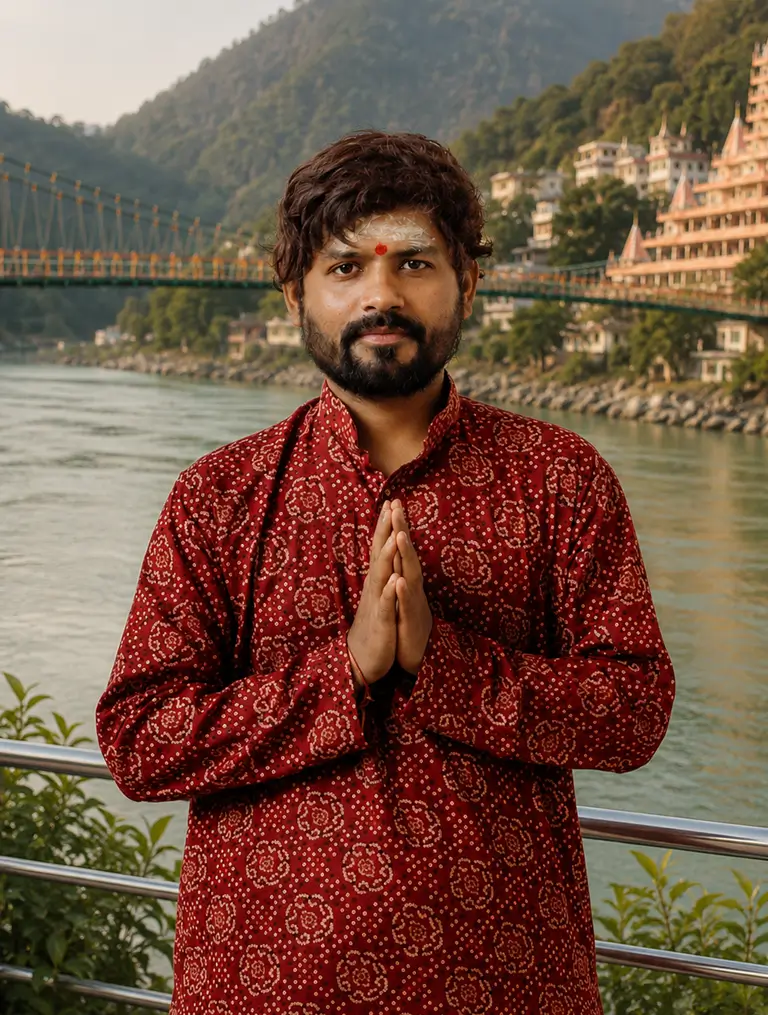
Vimlesh Joshi Ji
Founder · Hatha, Aerial & Ashtanga

Founder of Rishikesh Yog Kendra, Vimlesh Ji has spent more than a decade teaching Hatha, Aerial and Ashtanga yoga in the Himalayan tradition.
Your Peaceful Home in the Himalayas
 in the Himalayas
If you take the residential option, your room and your food are covered for the length of the programme. You choose an individual room or a twin shared one, and every room has an attached washroom, complimentary Wi-Fi, comfortable furnishings and enough quiet to rest properly — which matters more here than on any other programme we run.
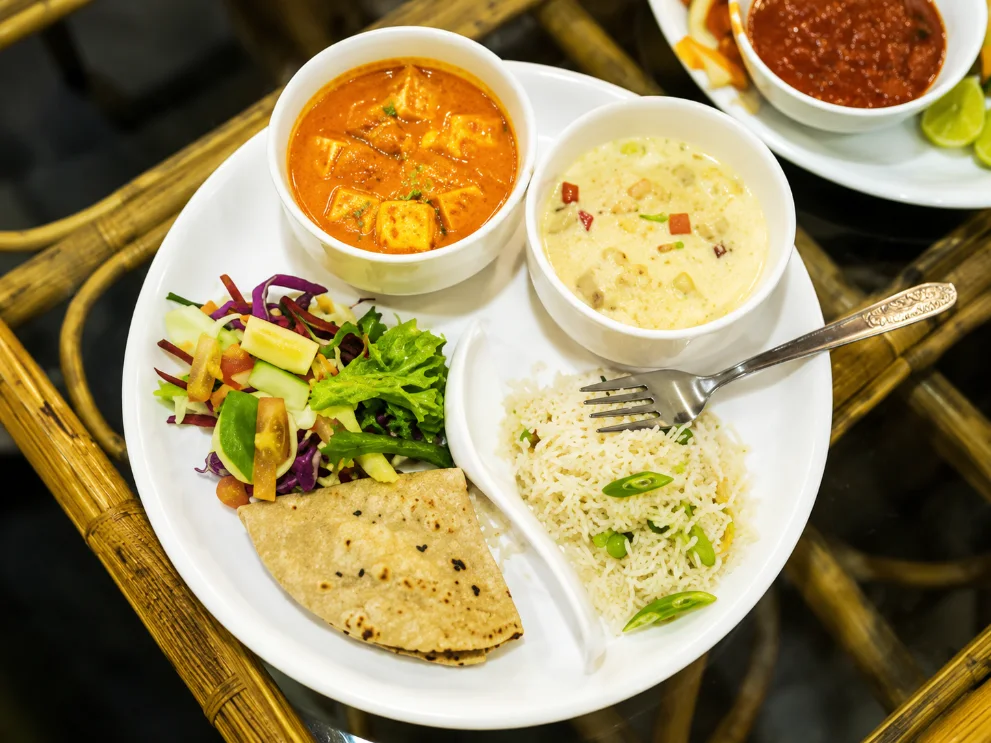
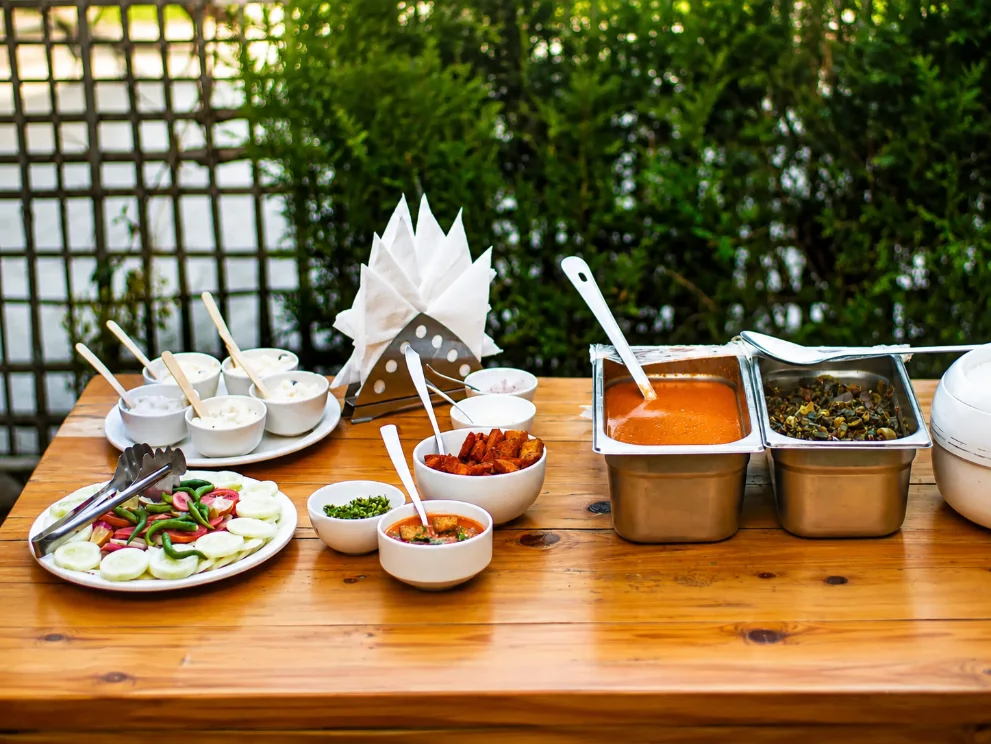
Food is part of the treatment rather than a service alongside it. Meals are satvic and vegetarian, prepared fresh, and adjusted to the phase of the cleanse you are in — lighter through the main procedures, and built back gradually as the digestive fire recovers. That staging is prescribed by your practitioner, not chosen from a menu.
If you are already staying elsewhere in Rishikesh, the treatment-only option lets you come for the consultation and the therapies alone. Do talk to us about food in that case — the dietary side of Panchakarma does real work, and it is harder to follow away from our kitchen.
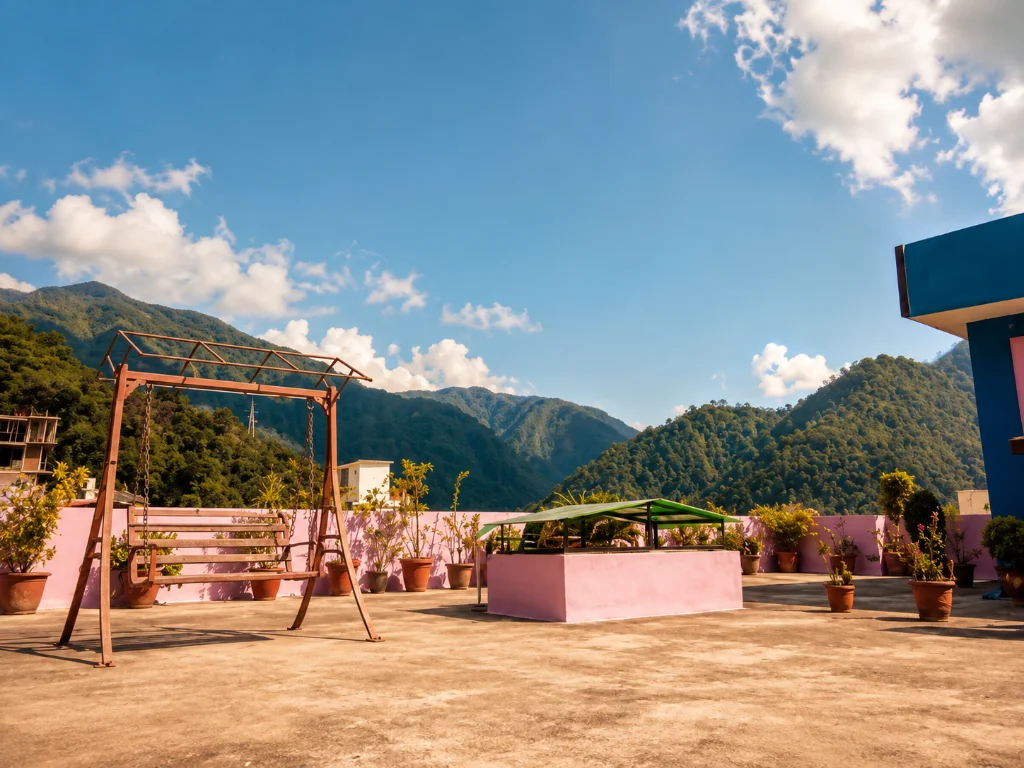
School Campus
Our campus sits in the quiet foothills of the Himalayas — open practice halls, a rooftop terrace to sit out on, and the hills in full view from sunrise to dusk. Close enough to the Ganga for a morning walk, far enough for the silence a practice needs.
- Open practice halls
- Rooftop terrace
- Quiet location
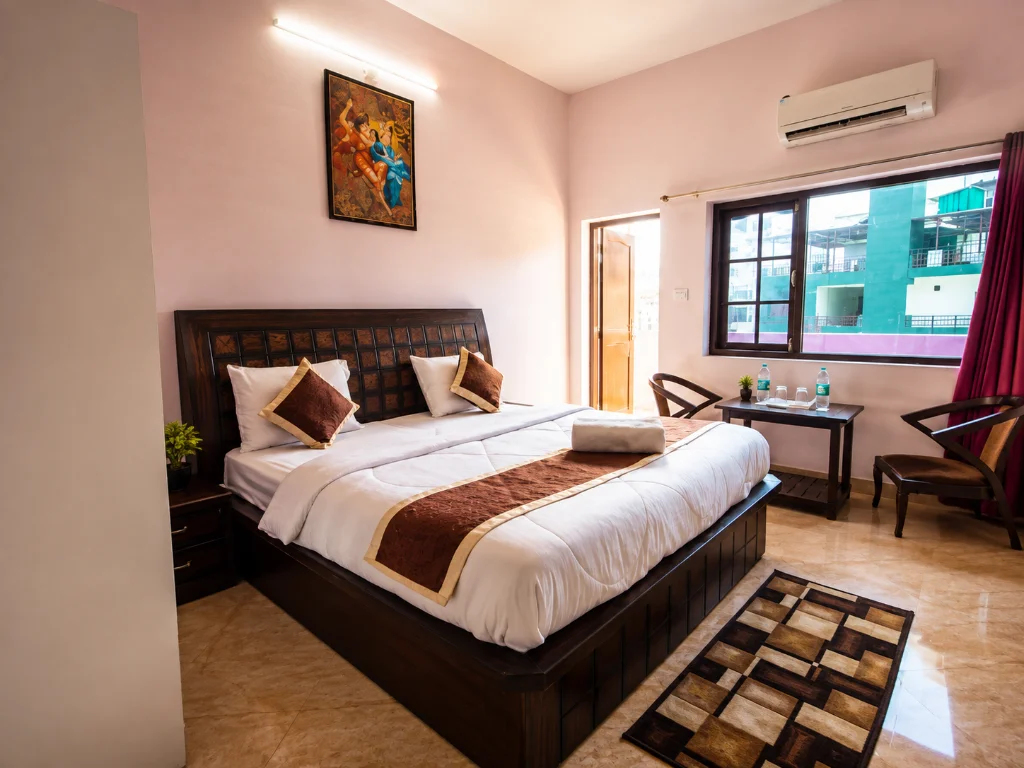
Deluxe Room
Clean, spacious rooms with an attached washroom and enough floor space to meditate or practise on your own. Housekeeping takes care of the rest, and you choose between a private or a shared room.
- Attached washroom
- Free WiFi
- Private or shared
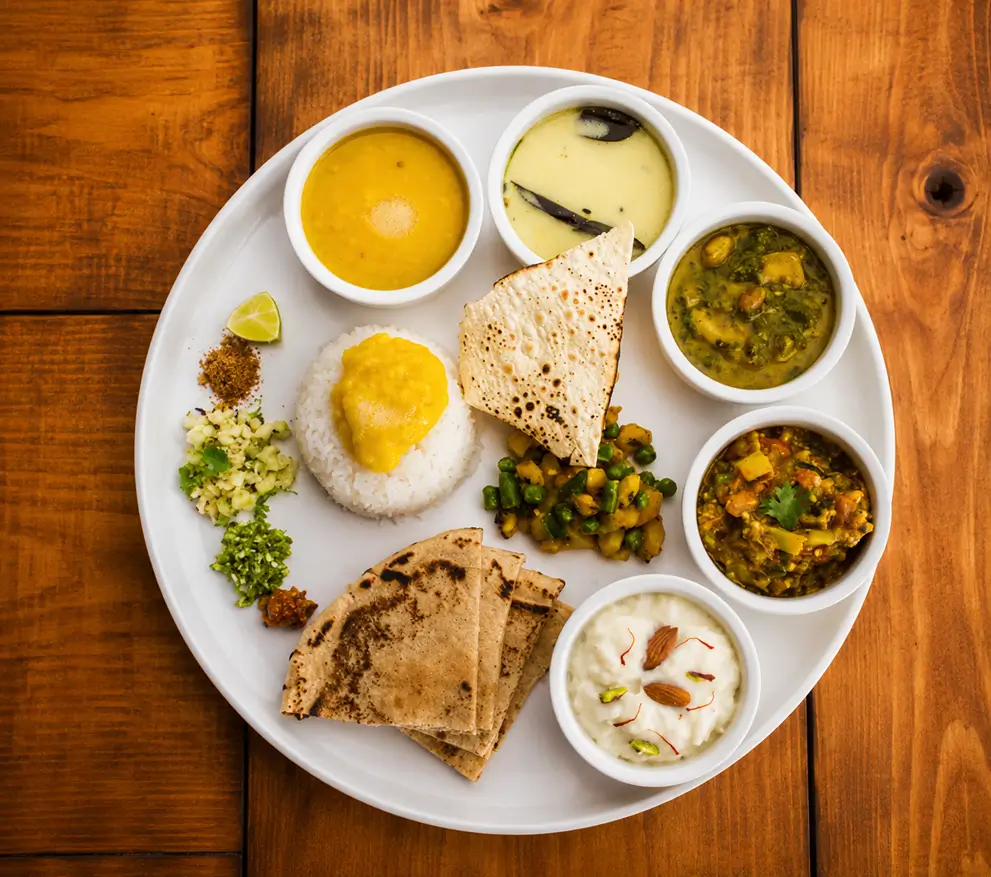
Sattvic Food
Three fresh vegetarian meals a day, along with seasonal fruits and herbal tea. Everything is cooked in the school kitchen and included in your course fee — no separate charges for food or stay.
- 3 meals daily
- Seasonal fruits
- Included in the fee
Our Student Reviews & Success Stories

-
 rohit rawat Yoga Student
“Rishikesh yoga kendra is one of the best yoga schools in rishikesh, The yoga guru vimlesh Joshi G is an amazing teacher. I am still practicing under vimlesh G since 4 year now. They also have every amazing and hard working people like Neha G and all. I strongly recommend the rishikesh yoga kendra as perfect place to start your yoga journey or and explore the deep yoga practice. Namaste Rohit”
-
 Aakanksha Singh
Yoga Student
Aakanksha Singh
Yoga Student
“It’s a wonderful place to learn yoga Best teachers and also a peaceful environment. I recommend to everyone Rishikesh Yoga Kendra. Yoga is for relaxing your body and mind therefore this place is best with the cheers of birds and with natural beauty.”
-
 jessmin
Yoga Student
jessmin
Yoga Student
“Never thought this will be so fun and entertaining. Although I am a beginner and was reluctant before I was planning to join this course, now I can say it was a bold and most beautiful decision. I will come back with more practice and hope one day I will do advance training with you guys. Thankyou team”
-
 Mohit Thapliyal
Yoga Student
Mohit Thapliyal
Yoga Student
“Rishikesh yog kendra is one of the finest institutions in Rishikesh they serve you different styles of yoga along with pranayama and meditation. The faculty here is well qualified. I learned a lot here.”
-
Sabina Viklund Yoga Student
“I had a fantastic class with Deepak, he taught me some important points with alignment. Both body and mind felt very relaxed afterwards and it was just what I needed. Thank you”
-
 Bracha Chaia Kasa
Yoga Student
Bracha Chaia Kasa
Yoga Student
“Such a joy (: I knew nothing about yoga, i just wanted to fix my back pain.. After 2 weeks i felt more stability and strengh, back is recovering easily. The teacher is cool and understanding, Considerate with each level we might begin with. Atmospere in class was light, fun, and kind. So beautiful. Thank you!”
-
Abhishek Sindal Yoga Student
“It’s a best place to learn yoga. Really experienced teachers with amazing techniques and methods. And aura of this place really makes me wanna practice more So yeah 5 stars form me”
Ready to begin your own practice? Apply for a course.
How to Reach Here?
From Delhi to your mat in Tapovan — by air, rail, road or bus, here is every way students make their way to us.




-
By Air
Jolly Grant Airport, about 25 km from Rishikesh, has daily flights from Delhi. We can arrange a cab from the airport to the school for an additional fee.
-
By Train
Daily trains connect Delhi to Haridwar railway station. Once you arrive at Haridwar, we can organise a pickup for you at a reasonable charge.
-
By Taxi
We can also arrange a cab to bring you the whole way from Delhi to the school in Rishikesh, for a reasonable fee.
-
By Bus
Buses run from Delhi to Rishikesh bus stand through the day. On arrival we can arrange a cab for the short hop to the school.