Español


How to Plan a Successful Yoga Class: A Comprehensive Approach
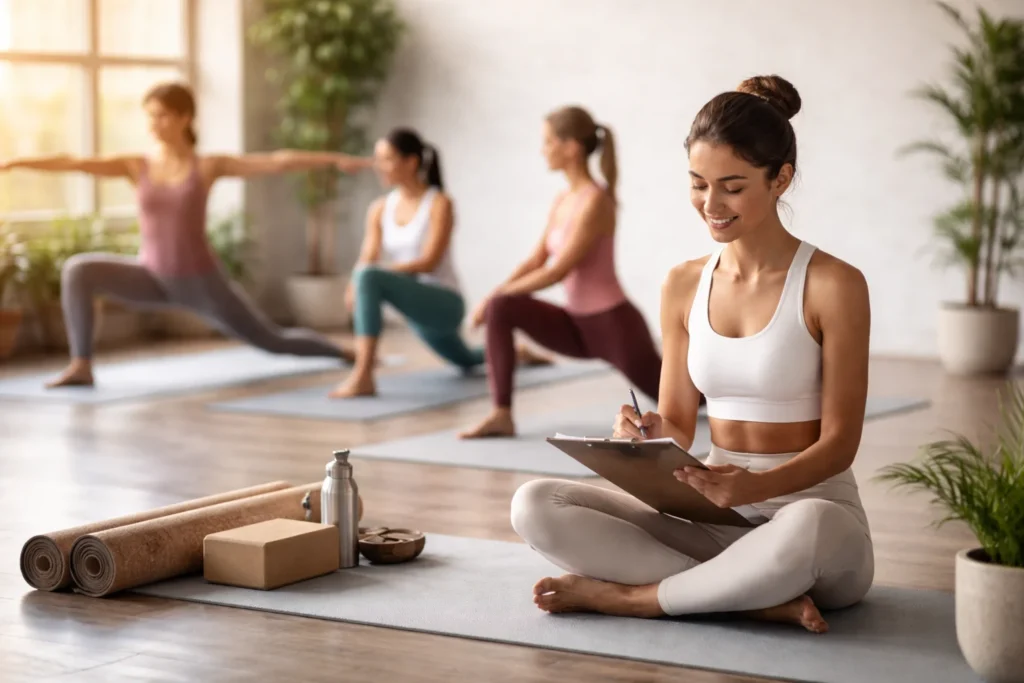
Table of Contents
- Introduction to Yoga Class Planning
- Understanding Your Students: First Step in Yoga Class Planning
- Establish a Clear Intention for the Class
- Yoga Class Structure: How to Plan a Yoga Class Step by Step”
- Centering and Grounding (5–10 minutes)
- Warm-Up (10–15 minutes)
- Main Sequence (20–30 minutes)
- Peak Pose
- Cool Down (10–15 minutes)
- Final Relaxation (Savasana) (5–10 minutes)
- Incorporate Breathwork and Mindfulness
- Create a Safe and Supportive Environment
- Use Effective Cueing Techniques
- Maintain a Balanced Flow
- Yoga Class Planning: Time Management
- Adaptability and Flexibility
- Enhance the Experience with Atmosphere
- Encourage Student Engagement
- Continuous Learning and Improvement
- Rishikesh Yog Kendra, Yoga School in Rishikesh
- Conclusion
- Frequently Asked Questions (FAQs)
- 1. How do you plan a yoga class for beginners?
- 2. What is the ideal structure of a yoga class?
- 3. How long should a yoga class be?
- 4. What should be included in a yoga class sequence?
Designing a successful yoga class requires more than just sequencing postures. A well-planned session combines asana practice, breathing exercises, and mental awareness. Together, these create a balanced experience. Whether you are new or experienced, thoughtful class design makes a big difference. Thoughtfully designing a class can make an immeasurable difference in your students’ journey. This ultimate guide will show you how to plan a yoga class that engages your students and prepares them for the physical and energetic transformation that is about to unfold.
Introduction to Yoga Class Planning
The key to teaching a successful yoga class is planning it out! Each session should serve a particular intention — relaxation, strengthening, stretching, or mindfulness. The way you build your class helps flow through the sequence moves into one another, keeping students invested in their practice.
Planning also allows you to differentiate your teaching according to different levels, from novice through advanced. Understanding what your students need allows you to prepare for a class that is accessible, yet rigorous.
Understanding Your Students: First Step in Yoga Class Planning
Essential to planning your yoga class is knowing who your students are. Consider factors such as:
- Experience level (beginner, intermediate, advanced)
- Physical limitations or injuries
- Age group and fitness level
An example of different styles would be a beginner yoga class, which will focus on basic poses, alignment, and breath awareness, and an advanced class may involve complex sequences and longer holds.
Knowing your audience will help you adjust your yoga class plan to suit their expectations and give them a personalised experience.
Establish a Clear Intention for the Class
All great yoga classes are tied to some theme or intention. And this intention weaves as a red thread through the session. It could be:
- Relaxation and stress relief
- Strength and endurance
- Heart opening
- Balance and grounding
- Mindfulness and meditation
Introduce the intention to your students at the beginning of your class. It makes it easier for them to relate mentally and emotionally to the practice.
For instance, if your goal is relaxation, your sequence should have slow movements and deep breathing, but should last longer in relaxation at the end.
Yoga Class Structure: How to Plan a Yoga Class Step by Step”
A well-planned yoga class follows a clear structure. This allows for a balanced practice and prevents injury.
Centering and Grounding (5–10 minutes)
Start your class off with a grounding exercise. This may include:
- Seated meditation
- Breath awareness (Pranayama)
- Gentle stretches
This stage allows students to shift their frame of reference from what they were doing before, into the here and now.
Warm-Up (10–15 minutes)
The warm-up prepares the body for more intensive motion. Add some gentle postures that can open up blood circulation and release tension in muscles, like:
- Neck rolls
- Shoulder stretches
- Cat-Cow movements
- Gentle twists
A proper warm-up reduces the risk of injury and expands one’s range of motion.
Main Sequence (20–30 minutes)
The main sequence is the foundation of your yoga class. Here is where you develop strength, flexibility, and balance.
Based on your class style, you could add:
- Standing poses (Warrior series, Triangle Pose)
- Balancing poses
- Core strengthening exercises
- Flow sequences like Vinyasa
The flow of the sequence should go from easy to more advanced poses.
Peak Pose
A peak pose becomes the focus of your class. It is typically the hardest posture and is in alignment with your class intention.
Use preparatory movements to gently prepare the body for this pose. For example,
- For backbends, include chest-opening poses
- Add core strengthening exercises for balance poses
This method helps them to be both physically prepared and self-assured.
Cool Down (10–15 minutes)
Return to a lower pose after the peak pose. Include:
- Gentle stretches
- Forward folds
- Hip openers
Cooling is beneficial for relaxing the muscles and preventing stiffness.
Final Relaxation (Savasana) (5–10 minutes)
Finish your class with Savasana. This is an important aspect of the practice, as the body and energy system integrate all that has taken place during the session.
Here, invite pupils to relax fully and feel their breath. You could also lead a short meditation or body scan.
Incorporate Breathwork and Mindfulness
Breathwork or Pranayama is the third element of yoga. It aids in energy management, stillness of thoughts, and enhanced practice.
- You can resort to methods like:
- Deep diaphragmatic breathing
- Alternate nostril breathing
- Ujjayi breathing
Mindfulness can also be integrated by way of guided awareness, and nudging students to remain present during the class.
Create a Safe and Supportive Environment
When designing a yoga class, the students’ safety should always come first.
Ensure that:
- Instructions are clear and easy to follow.
- Modifications are provided for all levels.s
- Students are encouraged to listen to their bodies
- Proper alignment cues are given
Do not go overboard for the students. Rather than critique, work with them to create an environment in which they can feel comfortable exploring their practice.
Use Effective Cueing Techniques
Instructions must always be clear and concise for the yoga class to be successful. When students can understand each pose and then transition between them smoothly, that comes from good cueing.
- Tips for effective cueing:
- Use simple and precise language
- Demonstrate poses when necessary
- Provide alignment cues
- Offer modifications and variations
For example, instead of saying “bend forward,” you can tell them to “hinge from your hips and maintain a long spine as you fold forward.”
Maintain a Balanced Flow
A good yoga class is balanced and typically contains a variety of:
- Strength and flexibility
- Effort and relaxation
- Movement and stillness
The class should not be overloaded with difficult poses. Instead, create a flow where students can work up energy and then release it.
Yoga Class Planning: Time Management
Time management is important so you know that all parts of your class will get the attention they need.
Here’s an example time breakdown for a 60-minute class:
- Centering: 5–10 minutes
- Warm-up: 10–15 minutes
- Main sequence: 20–25 minutes
- Cool down: 10 minutes
- Savasana: 5–10 minutes
Have a game plan, but adjust it as necessary depending on what the class needs.
Adaptability and Flexibility
It’s also important to be adaptable, even with a well-planned yoga class. Every group of students is unique, and your plan may require adjustments based on:
- Energy levels
- Student feedback
- Time constraints
- Physical limitations
This flexibility helps you create a more interactive and engaging class.
Enhance the Experience with Atmosphere
The setting has a very large impact on the experience of the yoga class. Consider elements such as:
- Lighting (soft and calming)
- Music (gentle and soothing)
- Clean and organized space
- Comfortable temperature
A peaceful setting allows students to unwind and discover a deeper spiritual connection to their practice.
Encourage Student Engagement
Engaging your students helps them feel more involved in the class.
- Ask for feedback
- Encourage questions
- Offer positive reinforcement
- Create a welcoming environment
Building a relationship with your students builds trust and promotes attendance.
Continuous Learning and Improvement
A good yoga teacher is a lifelong student. After every lesson, take a few moments to review:
- What worked well?
- What could be improved?
- How did students respond?
Other aspects include workshops, training programs, and classes which can help you hone your skills and teach other methods.
Rishikesh Yog Kendra, Yoga School in Rishikesh
Rishikesh Yog Kendra is the best Yoga School in Rishikesh, India, offering several types of yoga courses- 100-hour yoga TTC, 200-hour yoga TTC, 300-hour yoga TTC, and Aerial Yoga teacher training course in Rishikesh. We offer comfortable accommodation, including three times satvik food, and also provide excursions to our students, visit Ganga aarti, Ganga beach, Vasitha Cave, Kunjapuri Temple, and ancient temples, ashramas, and caves.
Conclusion
Planning a thoughtfully designed yoga class requires an art and a science. It can be done through careful planning, knowing your students, and creating a system that gives balance in all ways: physical, mental, and emotional.
If you set an intention, plan your class well, incorporate breathing techniques, and make sure the environment is safe and secure, then you can lead an engaging yoga experience. The idea is not to simply teach poses but to lead your students onto a path of greater awareness, balance, and serenity.
That will not only help you become a better planner for your yoga sessions, but it can also be a good way to show others how they can lead successful sessions as well, with regular practice and effort.
Frequently Asked Questions (FAQs)
1. How do you plan a yoga class for beginners?
Planning a yoga class for beginners starts with keeping the sequence simple and accessible. Focus on basic poses, proper alignment, and slow transitions. Include clear instructions, breathing techniques, and enough time for relaxation. A beginner-friendly yoga class should prioritize safety, comfort, and confidence-building.
2. What is the ideal structure of a yoga class?
A well-structured yoga class typically includes centering, warm-up, main sequence, peak pose, cool down, and final relaxation (Savasana). This structure ensures a balanced flow, prevents injury, and helps students gradually build strength and flexibility.
3. How long should a yoga class be?
The ideal duration of a yoga class is usually 60 minutes. However, it can vary from 45 to 90 minutes depending on the class type and level. A balanced class should include time for warm-up, practice, and relaxation.
4. What should be included in a yoga class sequence?
A yoga class sequence should include gentle warm-up exercises, standing and balancing poses, a peak pose, and a cool-down phase. It should also incorporate breathwork (Pranayama) and mindfulness practices for a complete experience.