Español


TOP 10 YOGA POSES TO REDUCE STRESS AND ANXIETY
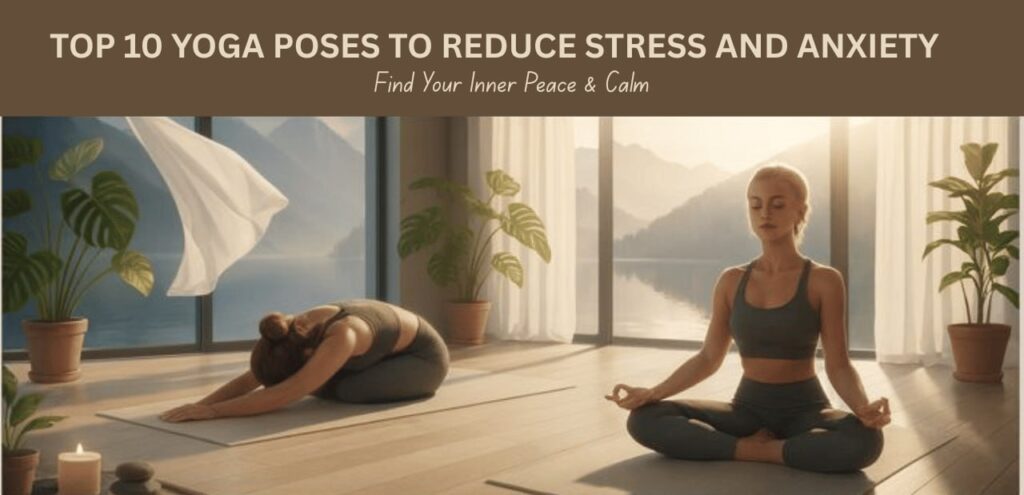
Table of Contents
- Analysing the results of Anxiety Issues
- Symptoms caused by Anxiety
- How Yoga Poses Can Help to Stimulate the Vagus Nerve
- Step-By-Step Yoga Guidance for Stress-Free Life
- 1. Dhanurasana (Bow Pose)
- 2. Matsyasana (Fish Pose)
- 3. Ekpada Paschimottanasana (One-Legged Forward Bend)
- 4. Setu Bandh Asana (Bridge Pose)
- 5. Marjaryasana (Cat stretch)
- 6. Paschimottanasana (Two-Legged Forward Bend)
- 7. Uttanasana (Standing Forward Bend)
- 8. Adho Mukha Svanasana (Downward-Facing Dog)
- 9. Sirsasana (Headstand)
- 10. Savasana (Corpse Pose)
- Pranayam Techniques to relieve Anxiety
- About Yoga Philosophy to Stay Away from Anxiety and Stress
- Summary
In today’s modern lifestyle, everyone’s daily routine has become so busy that there is no time to rest the mind and body. The ever-increasing workload, pressure of studies, complexities of relationships, and the hustle and bustle around us keep creating an invisible tension within us. Also, social media and digital overload keep our minds constantly active, leading to increased anxiety, stress, and mental imbalance. In such an environment, calming the mind and relaxing the body have become tougher and more important, and this is where yoga comes in as the most reliable and trustworthy companion.
Yoga is not just the practice of twisting or holding postures; it is a science that integrates body, mind, and breath into a balanced rhythm. Deep breathing, mindful stretching, and meditative movement calm our nervous system, balance our heartbeat, and create a space of peace in the mind. Yoga helps reduce stress, improve sleep, and enhance emotional stability. It teaches us to live in the present moment and gradually releases any inner anxiety, restlessness, or worry.
In this blog, we will explore the most effective and easy yoga asanas that not only reduce anxiety and stress but also help build calm and positive energy into your daily routine. Whether you’re completely new to yoga or already a practitioner, asanas are beneficial for everyone and will give your mind and body a new sense of peace.
Analysing the results of Anxiety Issues
Anxiety is a type of mental issue that deeply affects the mind, body, and quality of life. It’s not just a mild problem of anxiety or stress but rather a persistent feeling of fear, insecurity, and negative thoughts for no obvious reason. It keeps the mind in “alert mode” all the time, leaving the nervous system feeling constantly active and fatigued. It causes physical reactions such as a rapid heartbeat, sweating, shallow breathing, sleep disturbances, stomach problems, and persistent fatigue. When anxiety persists for a long time, it seriously affects a person’s ability to think, concentrate, and make decisions.
Gradually, self-confidence starts decreasing, even the mind gets nervous about small things, and the person starts overthinking or thinking in worst-case scenarios. This can affect relationships, where irritability, emotional distance, or misunderstandings can increase. Productivity at work and studies drops because the mind is constantly in a state of stress. In the long run, this can lead to serious conditions like depression, panic attacks, social withdrawal, or hormonal imbalance. Therefore, anxiety should not be ignored as a normal emotional reaction—it is important to understand, accept, and manage it in time so that one can regain mental peace, physical balance, and a healthy life.
“Rishikesh Yoga Kendra is a trusted yoga school in Rishikesh that offers a variety of yoga courses. Yoga is taught on the banks of the Ganges, which keeps the mind fresh and calm. Food and accommodation (private/shared rooms) are provided here, and excursion trips are also arranged without extra charges. A certificate is provided upon completion of the course.”
Available Courses :
- 100-Hour Yoga Teacher Training in Rishikesh
- 200-Hour Yoga Teacher Training in Rishikesh
- 300-Hour Yoga Teacher Training in Rishikesh
- 100-Hour Aerial Yoga Teacher Training in Rishikesh
Symptoms caused by Anxiety
Anxiety constantly activates the body’s “alert” system, causing both the mind and body to lose their natural balance. When the mind perceives a threat—whether real or merely imagined—the body releases stress hormones (such as cortisol and adrenaline). These hormones cause anxiety symptoms. Here are some symptoms and their causes:
- Heart palpitations — When anxiety rises, the body senses danger and responds by increasing heart rate.
- Breathing shortness — Stress hormones make the lungs work faster, causing shallow and rapid breathing.
- Restlessness — Anxiety overstimulates both the mind and body, creating an urge to react quickly even to small triggers.
- Inability to fall asleep — Because the mind doesn’t settle, thoughts keep running, preventing the body from entering a restful state.
- Headaches and Migraines — Tension builds in the neck and head muscles, which often leads to persistent headaches or migraines.
- Digestive issues — Under stress, digestion slows down, resulting in symptoms such as gas, stomach discomfort, or even IBS.
How Yoga Poses Can Help to Stimulate the Vagus Nerve
The vagus nerve is one of the longest and most crucial nerves in the body, playing a vital role in maintaining balance between the mind and body. When activated, it triggers the body’s ‘rest and digest’ mode, which, in turn, helps reduce stress and anxiety. Additionally, this activation can alleviate heart palpitations and ease feelings of restlessness, promoting a greater sense of calm and well-being. Yoga poses naturally stimulate this nerve in many ways.
1. Deep breathing operates the vagus nerve. The slow, deep, and controlled breathing taught in yoga, such as Pranayama and Ujjayi breathing, directly stimulates the vagus nerve. Long inhalations and slow exhales send calming signals to the vagus nerve, causing the body to immediately relax.
2. Slow, mindful movements reduce stress. Slow and meditative movements in yoga asanas activate the sympathetic nervous system (fight or flight) less and the parasympathetic system more, where the vagus nerve plays a key role. This slows down the heartbeat and increases mental peace.
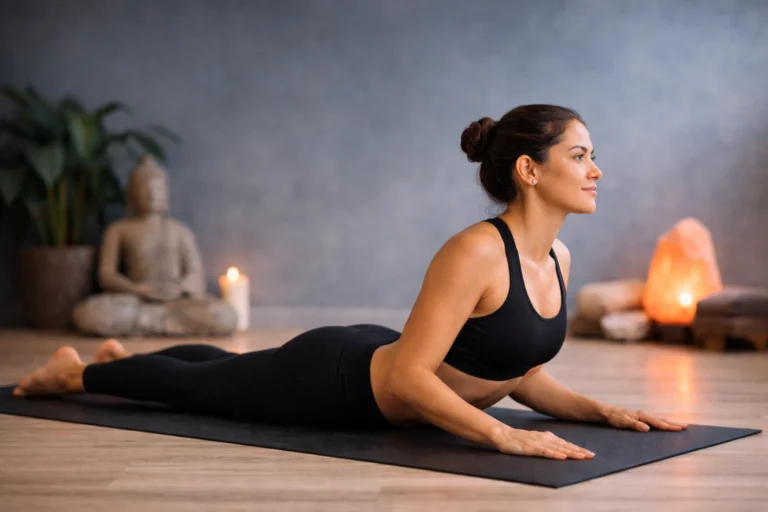
3. Forward bends and gentle backbends (like Balasana and Uttanasana) and some gentle backbends (like Bhujangasana) gently compress and stretch the vagus nerve pathways around the chest and abdomen, increasing its activity.
4. Twisting poses massage the intestines. The vagus nerve is part of the gut-brain axis. Yoga’s twisting poses—like Supta Matsyendrasana—provide gentle compression and relaxation to the intestines, which naturally increases vagus nerve activity.
5. Heart-Opening Poses enhance the parasympathetic system. Asanas like the bridge pose and the matsyasana open the chest cavity and improve blood flow around the vagus nerve. This pose puts the nervous system in a comfortable mode.
Step-By-Step Yoga Guidance for Stress-Free Life
The 10 yoga asanas given below have been specially selected to reduce anxiety and stress. These asanas not only remove physical stiffness and fatigue but also balance the nervous system by calming the breathing and mind. With each asana, I provided a simple step-by-step instruction so that you can easily understand and practice—do it slowly at first, as per your limits, and stop immediately if any asana causes pain or discomfort to you. Now read the instructions given below each asana carefully and start practising comfortably, focusing on breathing.
1. Dhanurasana (Bow Pose)
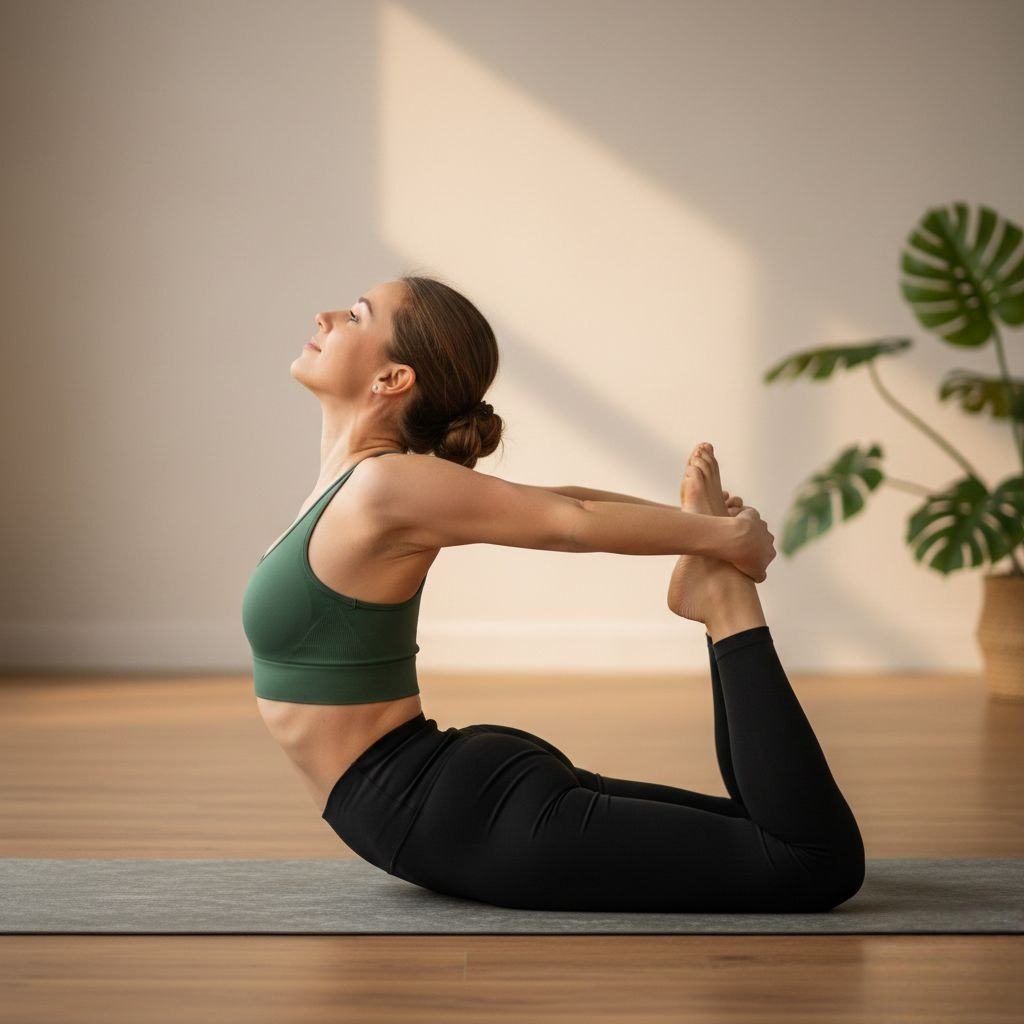
- Lie on the stomach, then bend the legs and hold the ankles.
- While inhaling, raise the chest and thighs.
- Feel a bow-like stretch on the body.
- Hold in this position for a few seconds and come back slowly.
2. Matsyasana (Fish Pose)
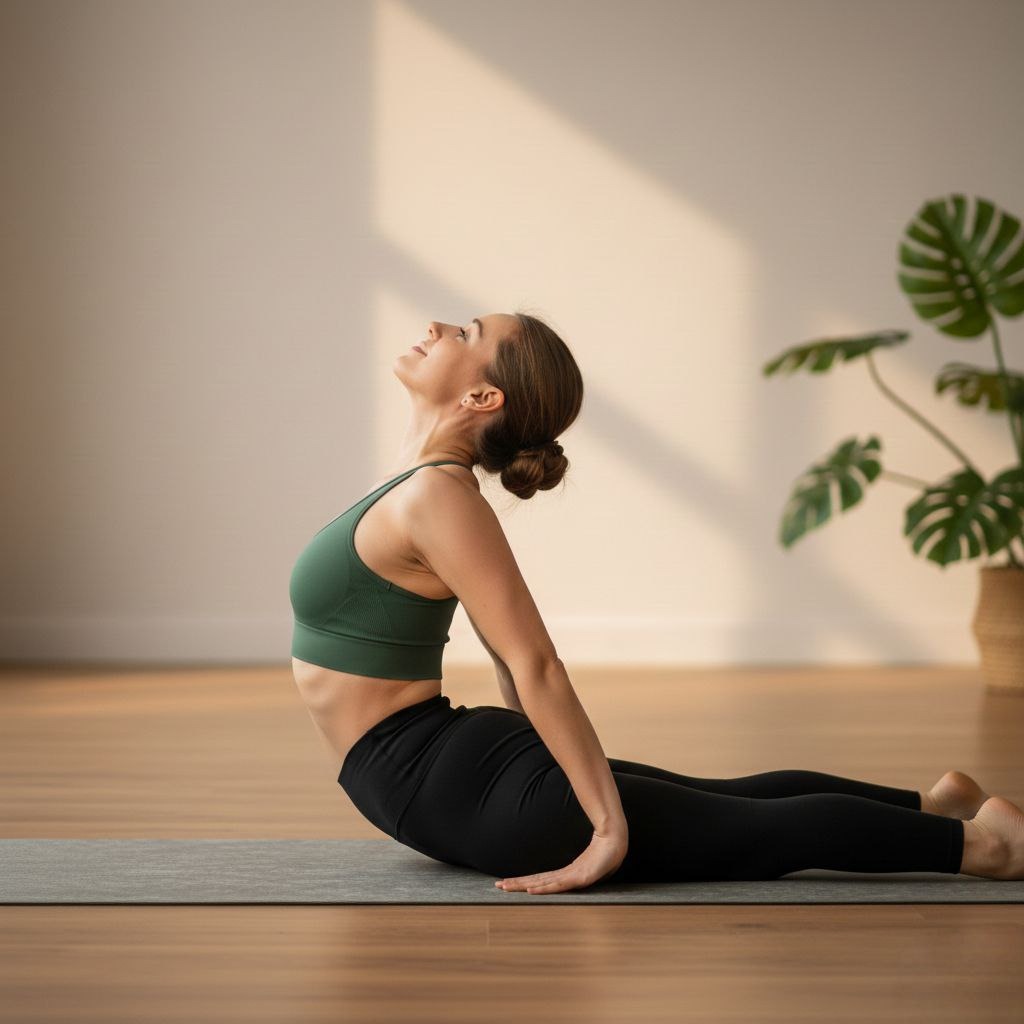
- Lie on your back, then keep your leg straight.
- Slide hands under hips.
- Lift the chest and tilt the head back, resting the crown on the ground.
- Keep breathing deeply and slowly come back to the normal position.
3. Ekpada Paschimottanasana (One-Legged Forward Bend)
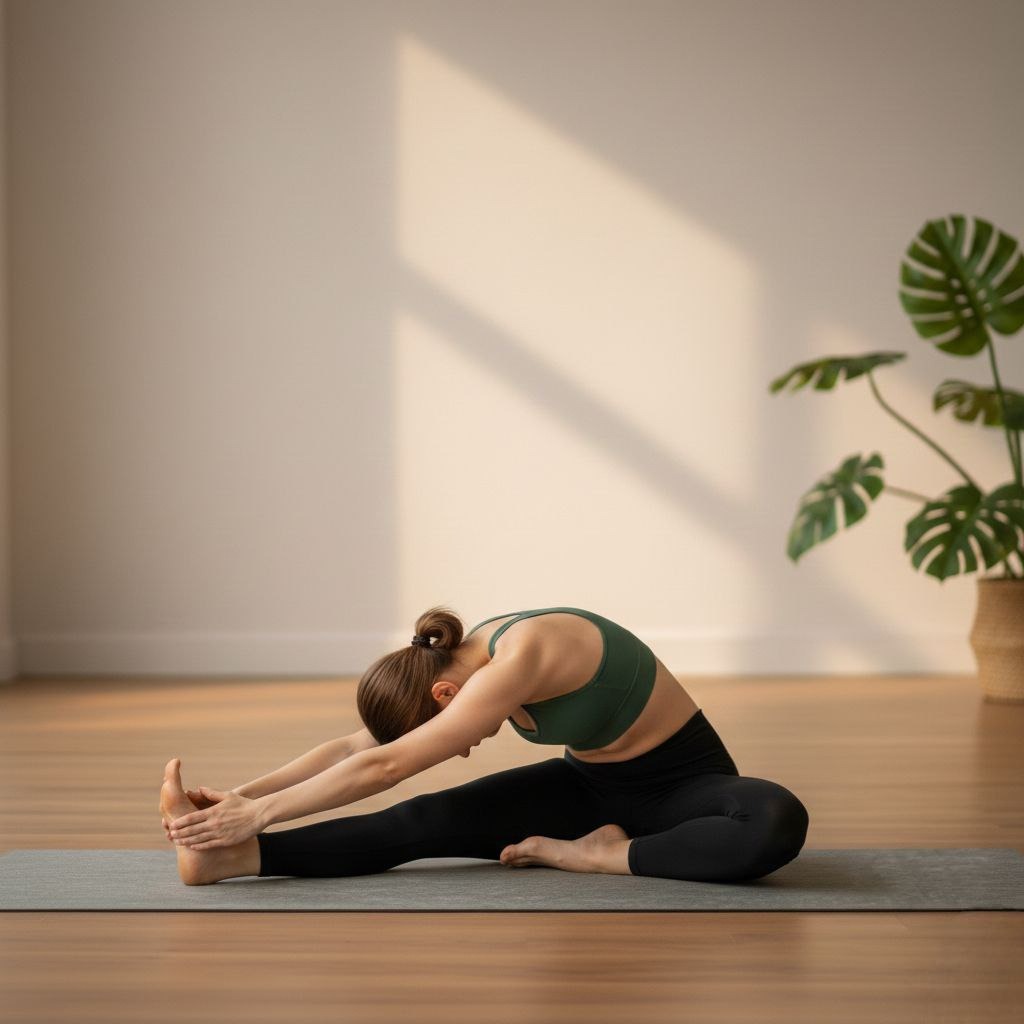
- Sit with one leg straight and bend the other leg, and place it on the thigh.
- While exhaling, bend forward and hold the toes of the straight leg.
- Slowly lower yourself while keeping your back long.
- Hold for a few breaths and then get up.
4. Setu Bandh Asana (Bridge Pose)
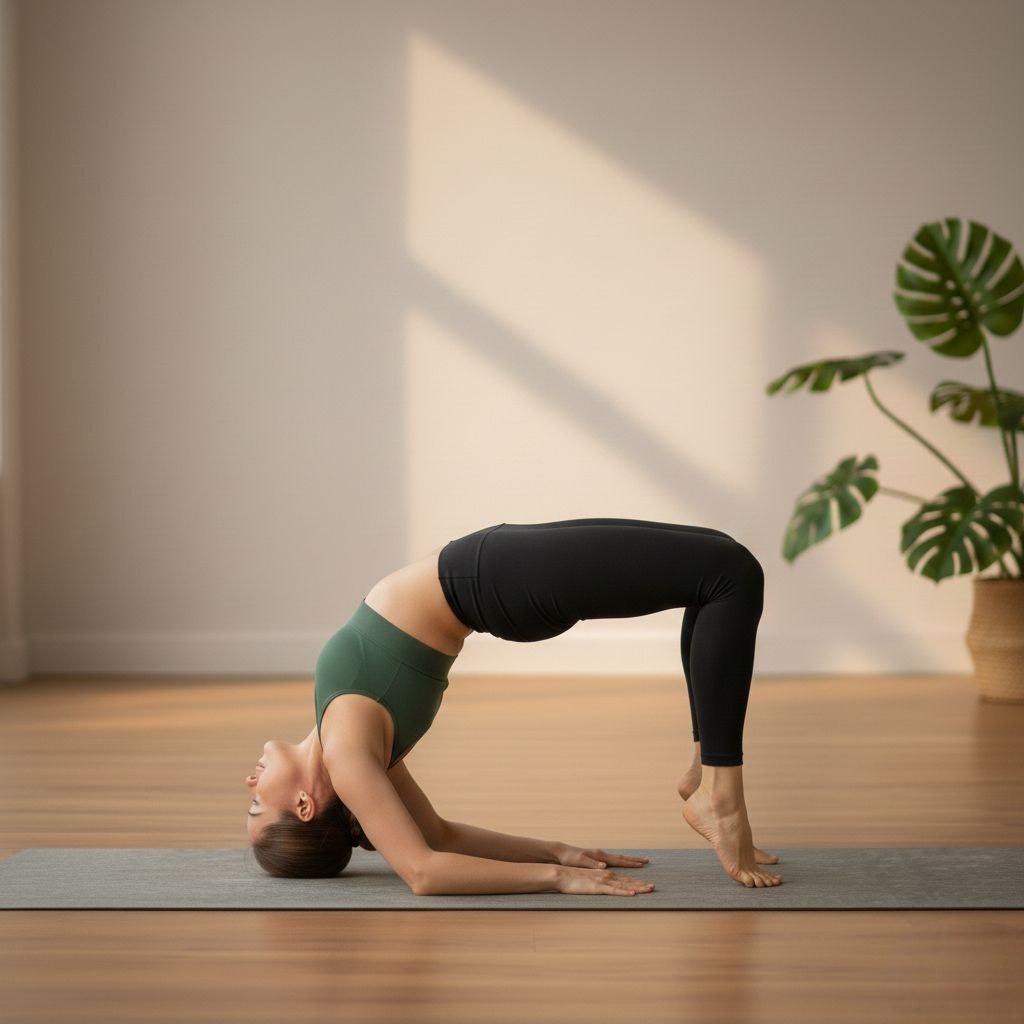
- Lying on your back, bend your knees and keep your feet on the ground.
- While inhaling, lift the hips.
- Expand the chest upwards and press the hands into the ground.
- Wait for a second and slowly come down.
5. Marjaryasana (Cat stretch)
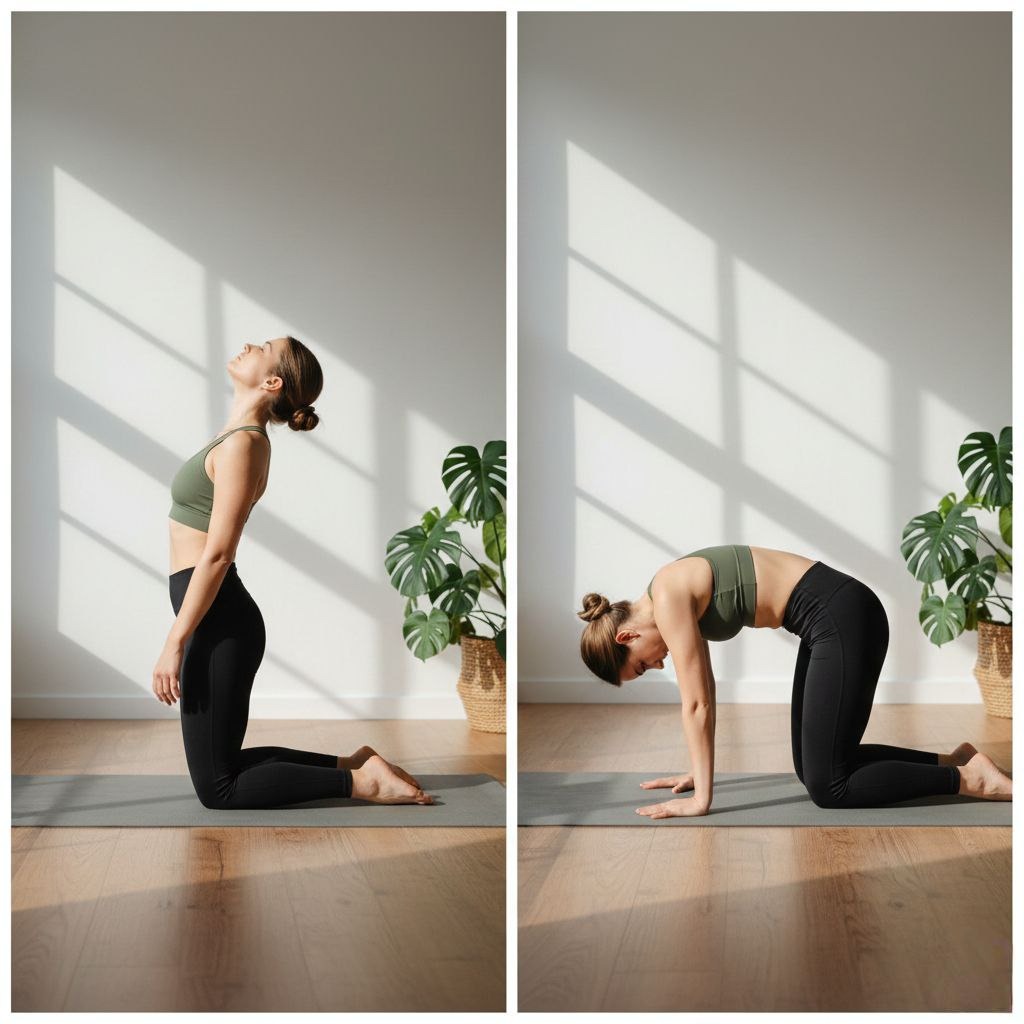
- Come into table pose on hands and knees.
- Exhale and round the back up (cat pose).
- While inhaling, bend the back down and raise the neck (cow pose).
- Repeat both movements 10-12 times.
6. Paschimottanasana (Two-Legged Forward Bend)
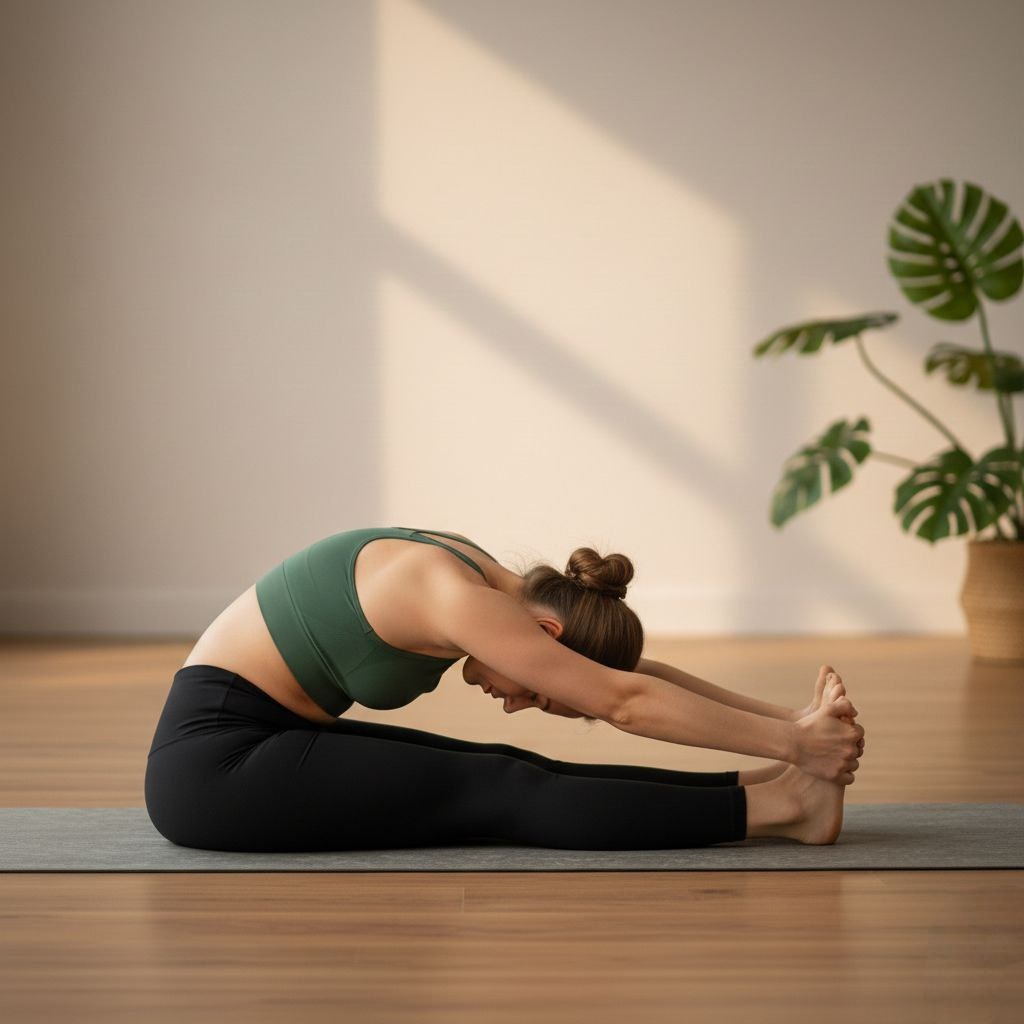
- Sit with both legs straight.
- While exhaling, bend forward and hold the toes of the feet.
- Try to bring the stomach and chest closer to the thighs.
- Wait for a few breaths and come up slowly.
7. Uttanasana (Standing Forward Bend)
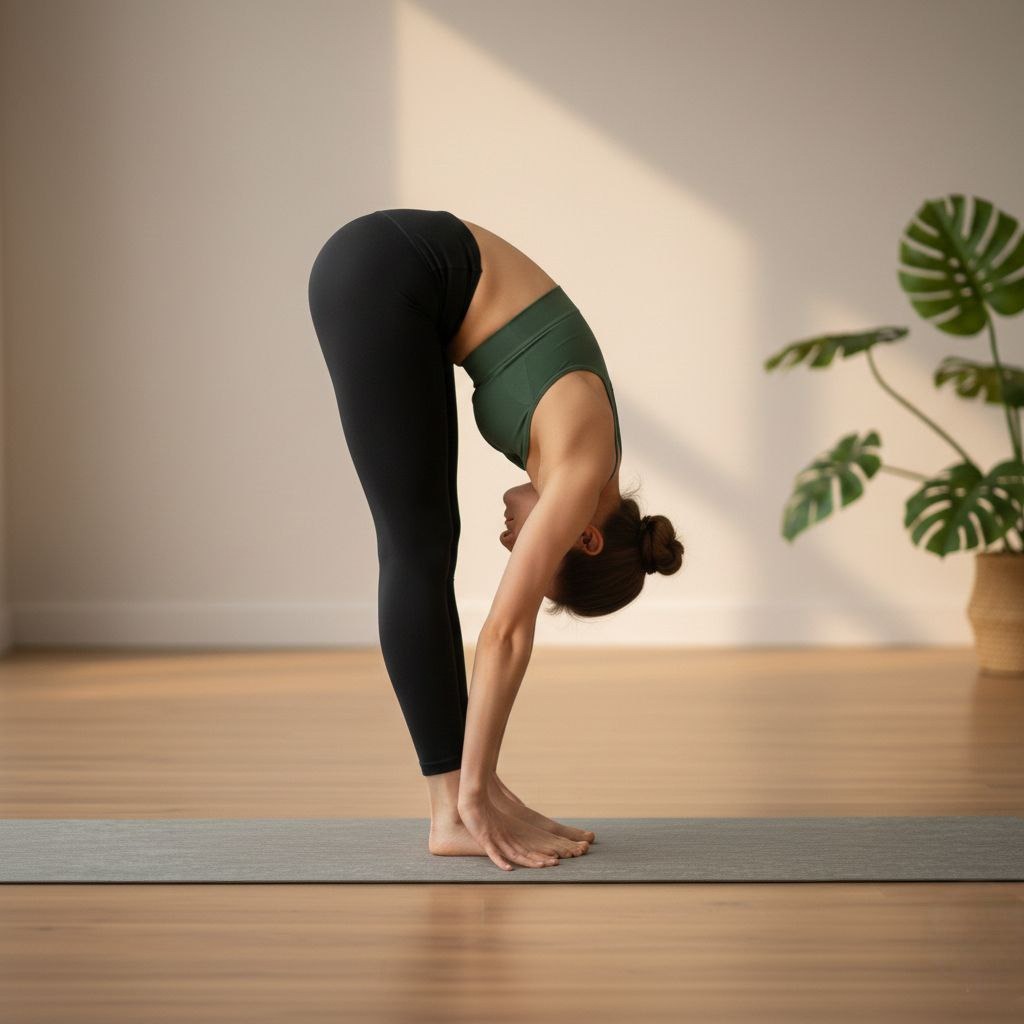
- Stand up straight and keep your feet close.
- Then exhale and bend forward from the hips.
- Place your hands on the ground or calves.
- Leave your neck loose and take a breath.
8. Adho Mukha Svanasana (Downward-Facing Dog)
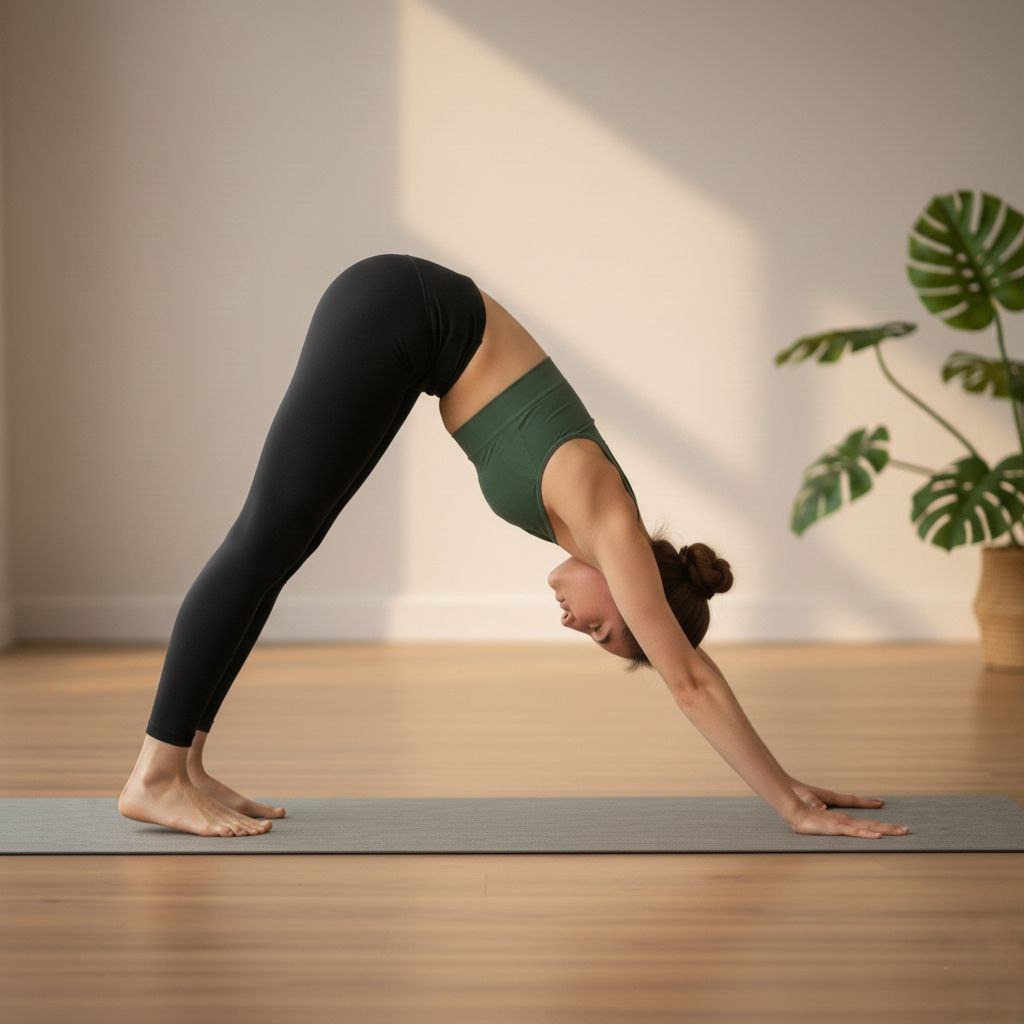
- In this pose, we make an inverted “V” shape with arms and legs.
- Then we move the heels towards the ground and press the palms.
- Keep the spine straight and the head between the hands.
- Hold for 5-7 breaths.
9. Sirsasana (Headstand)
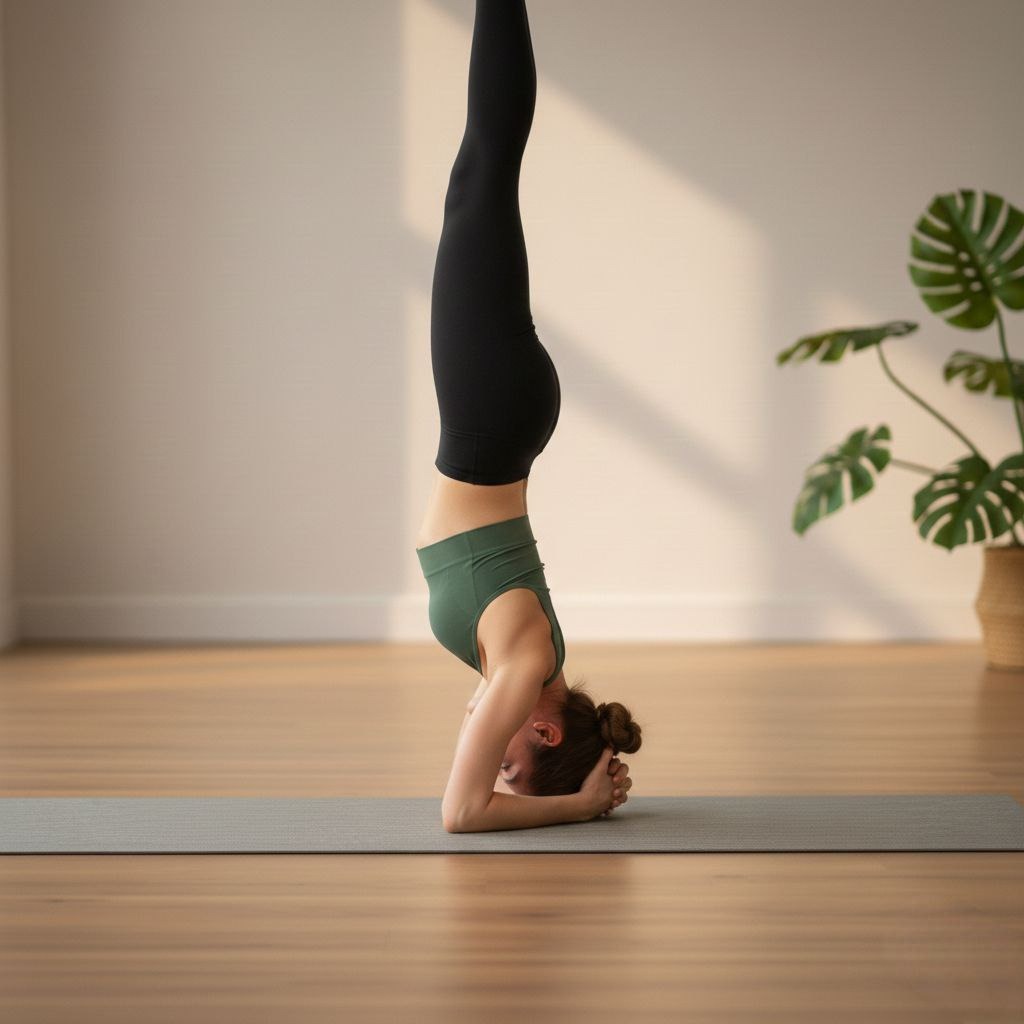
- Sit on your knees, interlock your fingers, and rest your forearms.
- Then keep the head between the hands.
- Slowly move the legs up by raising the hips.
- Balance yourself and become straight, then slowly come back.
10. Savasana (Corpse Pose)
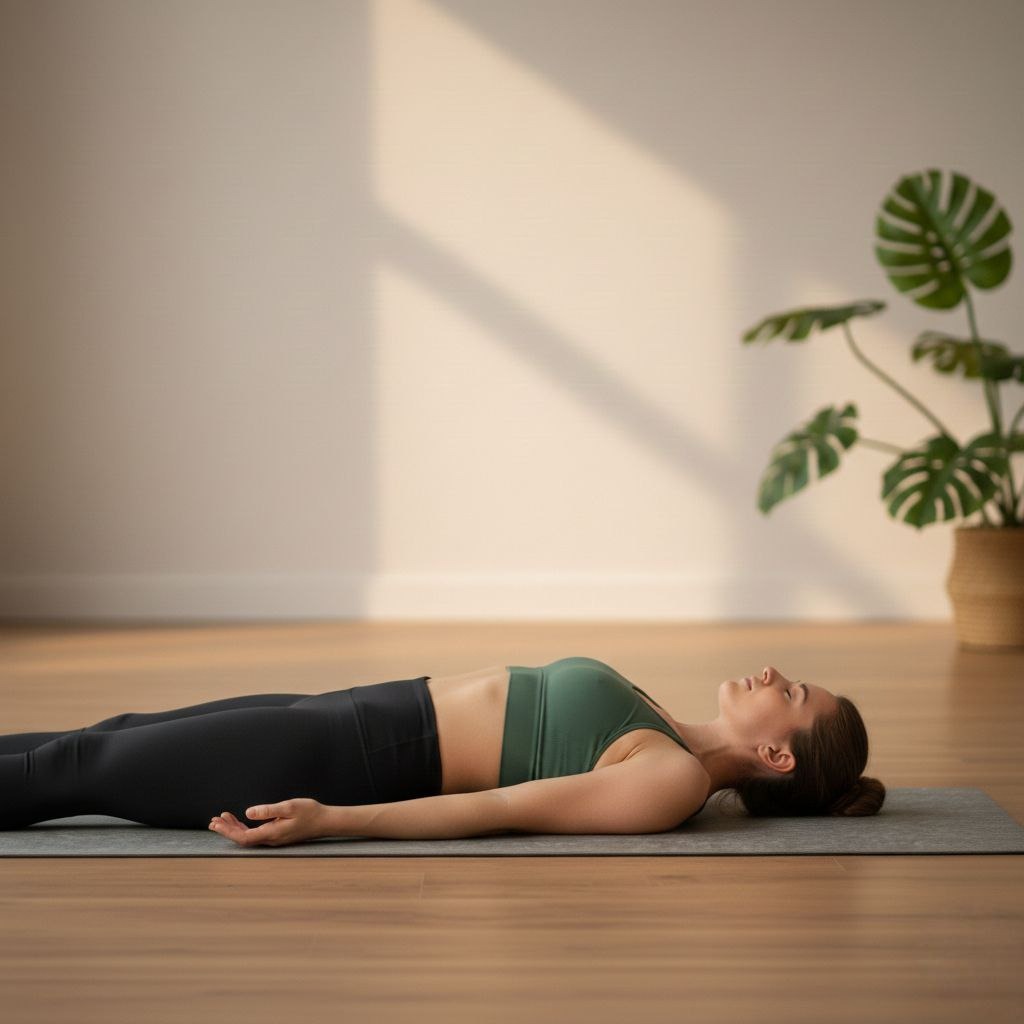
- Lie completely loose on your back.
- Spread your arms and legs lightly, close your eyes.
- Let the breath flow naturally.
- Let the entire body melt to the ground and remain for 5-10 minutes.
Pranayam Techniques to relieve Anxiety
Stress and anxiety have become common in today’s fast-paced life, but there are many ways to reduce them, such as our breathing, which can become the simplest and most natural way to reduce this mental pressure. Pranayama represents a connection between body and mind where controlled breathing calms the nervous system, balances the rhythm of the heart, and brings peace to the mind. By doing Pranayam daily, restlessness of the mind gets reduced, sleep remains balanced, and the stress hormone (cortisol) is reduced. Oxygen level increases in the body, which brings energy and positivity. The best thing is that Pranayama can be done anywhere at any time. Just taking conscious breaths for some time calms your mind, mood, and body and takes you away from stress and tension. Some important pranayamas that reduce anxiety:
- Anulom-Vilom (Alternate Nostril Breathing)
- Bhramari Pranayama (Humming Bee Breathe)
- Nadi Shodhan (Channel Purifying Breathe)
- Deergh Shwaas (Deep Breathe)
About Yoga Philosophy to Stay Away from Anxiety and Stress
Yoga philosophy is not just the practice of asanas, but it is a complete method of living life with balance, peace, and awareness. Stress increases when the mind is preoccupied with worries about the future or memories of the past, whereas yoga philosophy teaches us to live in the present moment. To calm and strengthen the mind, we learn Yama-Niyam (ethical principles of life), meditation, pranayama, and introspection. When we incorporate yoga philosophy into our daily habits—like maintaining composure, thinking positively, breathing slowly, and practising gratitude—mental stress automatically begins to reduce. This philosophy teaches us how to observe and respond to circumstances, rather than changing them. As a result, the mind becomes stable, emotions remain calm and at ease, and clarity increases in life. Regular practice of yoga philosophy leads to an enduring mental peace, self-control, and a stress-free life.
Summary
In this blog, it has been told that we can reduce the stress and anxiety that we face in today’s busy life by doing yoga. It has also been said that when there is continuous mental pressure like digital overload, social media stress, relationship stress, or emotional tiredness, then our entire body goes into an alert state, due to which effects like fatigue, headache, restlessness, sleeplessness, and digestive problems start happening in our body. Yoga, like deep breathing, stretching, active movements, and meditation, calms our nervous system and brings the body into a relaxed state by innervating the vagus nerve.
In this blog I have mentioned 10 most effective yoga poses which are perfect for working out stress and anxiety, along with some easy pranayam like Anulom-Vilom and Bhramari, brings peace and coolness to the mind, and I have reduced anxiety with yoga philosophy, like how we have to live in the present, have positive thinking, and have a sense of humility and gratitude, which makes life more efficient. Overall, this blog states that doing yoga in a daily routine gives peace to both mind and body, which removes stress and tension.