
Introduction
Yoga is not just a physical practice but a complete way of life that works to bring the body, mind, and soul—all three—into balance. Padmasana (Lotus Pose) has a special place among the many meditative and meditation-based postures of yoga. This asana has been considered the basis of meditation, pranayama, and sadhana since ancient times.
Although Padmasana looks simple, it is equally technical and practice-oriented. Especially for beginners, it may be difficult to do this immediately. Padmasana performed with wrong preparation or in a hurry can cause injuries to the knees, ankles, and hips. So this blog focuses on “Lotus Pose for Beginners: Preparatory Poses,” where we’ll explore in detail:
- What is Padmasana?
- Its importance in yoga and health
- Preparatory poses for beginners
- Simple variations of the Lotus Pose
- Understanding the anatomy of the Lotus Pose
- The benefits, precautions, and common mistakes
What is Lotus Pose?
Padmasana comes from two Sanskrit words:
- Padma means lotus.
- Asana means a sitting pose.
In this pose, the practitioner’s feet rest like lotus petals on the thighs, keeping the body stable and spine straight. That’s why it’s considered one of the best poses for meditation and spiritual practice. Ancient yoga texts like Hatha Yoga Pradipika, Gheranda Samhita, and Patanjali Yoga Sutra regard Padmasana as the ultimate posture for meditation.
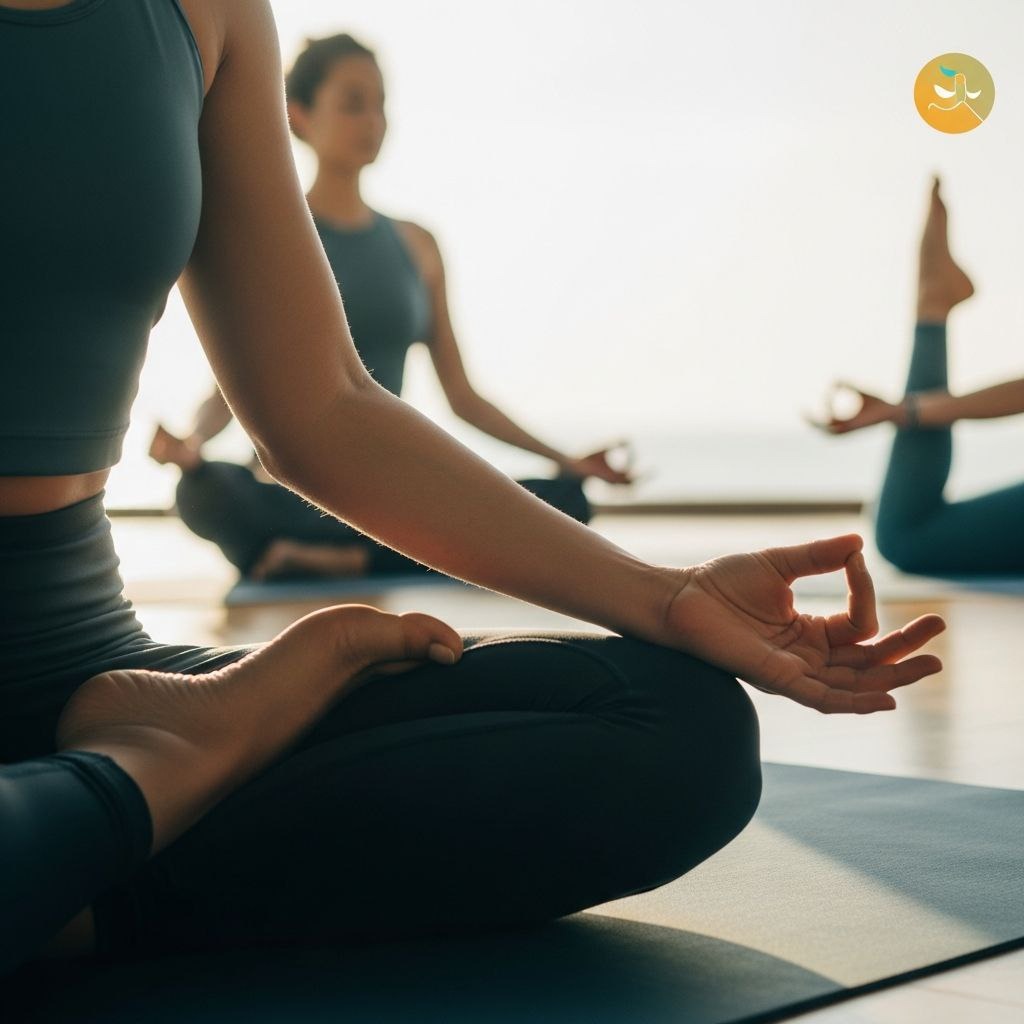
Importance of Padmasana in Yoga Philosophy
In Indian yoga philosophy, practitioners do not see Padmasana as just a sitting posture; they consider it the foundation stone of complete yogic development. Ancient yoga texts describe Padmasana as a posture that provides complete stability to the body and turns the mind inward by removing external distractions.
When the body becomes stable without any discomfort, then subtle yogic processes like meditation, pranayama, and dharana start happening naturally. For this reason, Padmasana has been given special importance in all three traditions—Rajayoga, Hathayoga, and Dhyana Yoga. This asana establishes the practitioner in physical discipline as well as mental and spiritual discipline, which is the basic objective of yoga practice.
From the yogic point of view, Padmasana is not just a physical posture but a very effective posture that controls the flow of energy. This asana balances the nerves of the body and helps the life energy to flow in a certain direction. Sitting in Padmasana is believed to:
- Helps in raising the energy from Muladhara Chakra to Sahasrara Chakra, which makes the process of Kundalini awakening easier.
- It makes the mind stable, calm, and concentrated, thereby reducing distractions in meditation.
- Regular practice increases the depth of meditation, and the seeker moves towards spiritual experiences.
- Due to these yogic and spiritual benefits, most of the sages, yogis, and ascetics used to meditate, chant, and meditate while sitting in Padmasana.
Anatomy of Lotus Pose
Understanding the anatomy of Padmasana is extremely important for every yoga practitioner, especially those who want to practice this asana safely and for the long term. This asana is not just a sitting posture with folded legs, but many major joints and muscles of the body work actively in it. During Padmasana, the body weight is distributed in a balanced manner, which keeps the spine straight and provides stability to the lower body. The correct structure of this asana is possible only when there is coordination between the hips, knees, and ankles. If there is excess pressure on any one part, the possibility of injury increases. Therefore, it is necessary to do Padmasana wisely and with respect for the limits of the body.
Major Joints Involved
- Hip Joints
- Knee Joints
- Ankles
- Spine
Key Muscles Involved
- hip flexors
- gluteus muscles
- hamstrings
- quadriceps
- adductors
- lower back muscles
Padmasana primarily requires hip opening, not pressure on the knees.
At Rishikesh Yoga Kendra, meditative postures like Padmasana are taught along with traditional yoga philosophy and correct physical alignment. Under the guidance of experienced yoga teachers, beginners are given safe practice through preparatory asanas and variations. Situated on the holy banks of Ganga, this yoga school makes the practice of Padmasana and meditation deeper and more effective.
Why is Padmasana difficult for beginners?
Padmasana is often seen as a simple and peaceful meditation posture, but in actual practice, this posture can be quite challenging for beginners. The main reason for this is that in the modern lifestyle, the mobility of the body, especially the hips and legs, has become limited. Due to sitting for a long time, lack of physical activities, and not doing regular stretching, the flexibility of the body reduces. When such a body suddenly attempts to sit in a deep hip-opening posture like Padmasana, it is natural to feel discomfort, pain, or strain. For this reason, it is important to understand that Padmasana should not be adopted by force but through gradual and conscious practice.
Most beginners have difficulty with Padmasana because:
- There is stiffness in the hips
- The habit of sitting on a chair for a long time
- Lack of hip rotation
- Impromptu practice
Therefore, it is mandatory to practice preparatory poses before Padmasana.
Preparatory Poses for Lotus Pose
1. Sukhasana (Sukhasana – Easy Pose)
Sukhasana is a simple but extremely effective meditative posture, often done at the beginning of yoga practice. This asana provides stability to the body and peace to the mind, due to which the seeker can sit for a long time without fatigue. Sukhasana is considered a strong foundation for preparation for advanced meditative postures such as Padmasana.
This is the most basic meditative posture, which:
- Teaches to keep the spine straight
- Provides slight flexibility to the hips
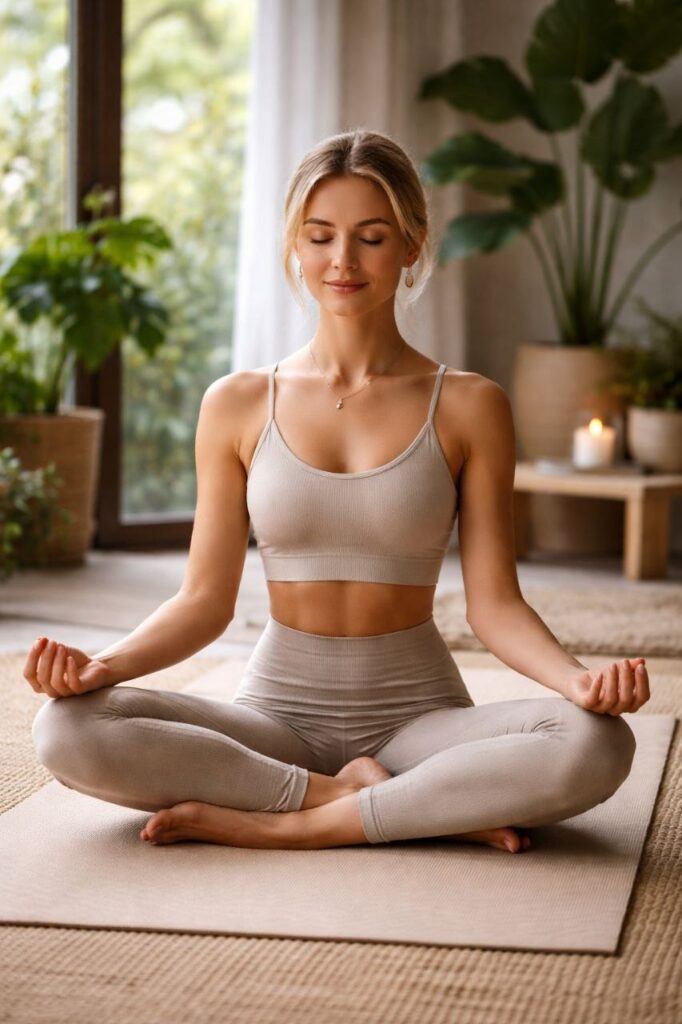
Practice Method:
- Sit on the ground
- Cross legs
- Keep your spine straight
2. Baddha Konasana (Butterfly Pose)
Baddha Konasana is considered to be one of the most effective and safe asanas for hip opening. it gently flexes the hips, thighs, and knees, preparing the body for deep-seated postures like Padmasana. This asana is very useful for beginners. This asana is extremely effective for hip opening.
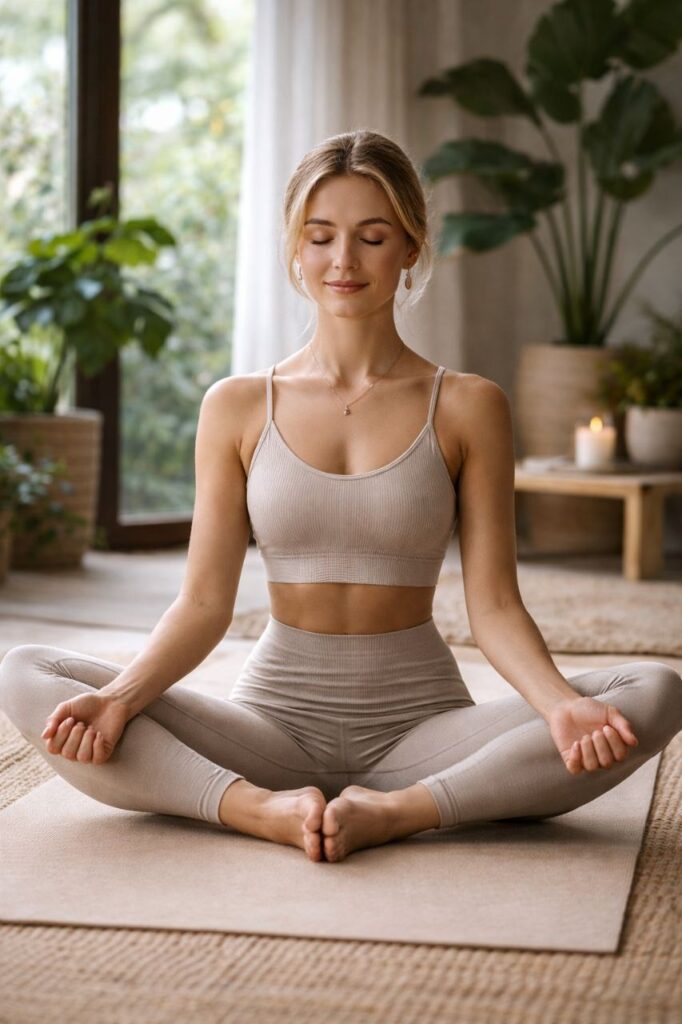
Practice method:
- Sit straight on the ground and stretch your legs forward
- Bring the soles of both feet together
- Keep heels close to the body
- Keeping your back straight, slowly lower your knees towards the ground.
Benefits:
- Opens up hips and thighs
- Prepares the body for Padmasana
3. Janu Sirsasana
Janu Shirshasana is an effective seated forward bend that provides a focused stretch to one part of the body. This asana is especially helpful in gradually reducing the stiffness of legs, knees, and hips. Practicing this asana before Padmasana develops balance and flexibility in the body, making sitting meditative postures more comfortable. This is a one-way stretch asana.
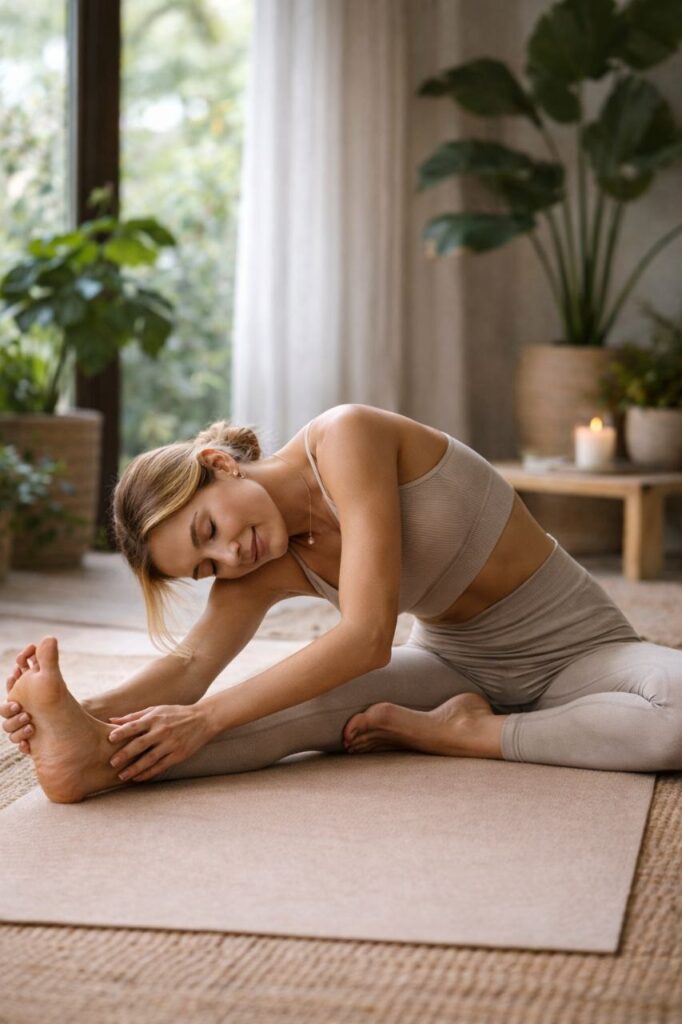
Practice method:
- Sit on the floor in dandasana
- Bend the right leg and place the heel near the thigh.
- Keep your left leg straight
- Exhale, then slowly bend forward and hold your toes or shins.
Why is it important?
- Brings flexibility to the knees and hamstrings
4. Ardha Padmasana
This is the most important preparatory posture of Padmasana. This asana plays an important role in gently preparing the body for the lotus posture, without putting excessive pressure on the knees or ankles. This is a safe option for beginners, which is extremely helpful in increasing hip mobility and developing sitting stability.
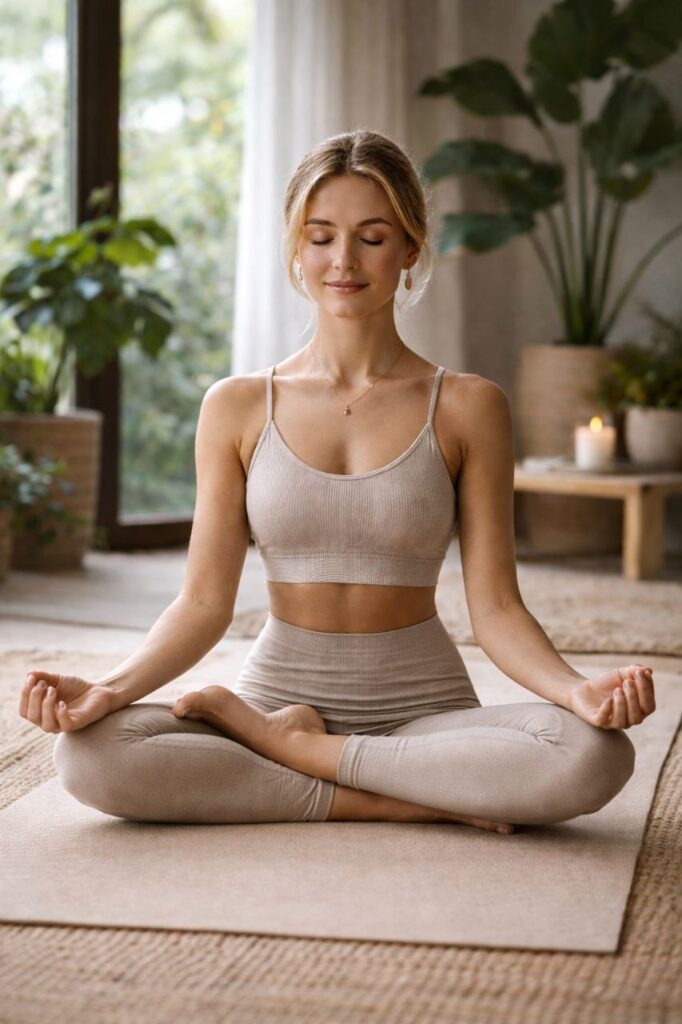
Practice method:
- Sit on the floor in dandasana
- Bend the right leg and place it on the left thigh
- Keep the left leg bent on the ground
- Keeping the spine straight, sit in this position for a few breaths.
Specialty:
- One foot rests on the thigh, and the other below
- Prepares the body for full Padmasana
5. Gomukhasana (Gomukhasana – Cow Face Pose)
Gomukhasana is a deep hip-opening posture that helps gently release stiffness in the hips, thighs, and lower body. This asana opens the body from within and develops the flexibility required for meditative asanas like Padmasana. With regular practice, one starts feeling stability and comfort in the sitting postures. This asana opens the hips at a deep level.
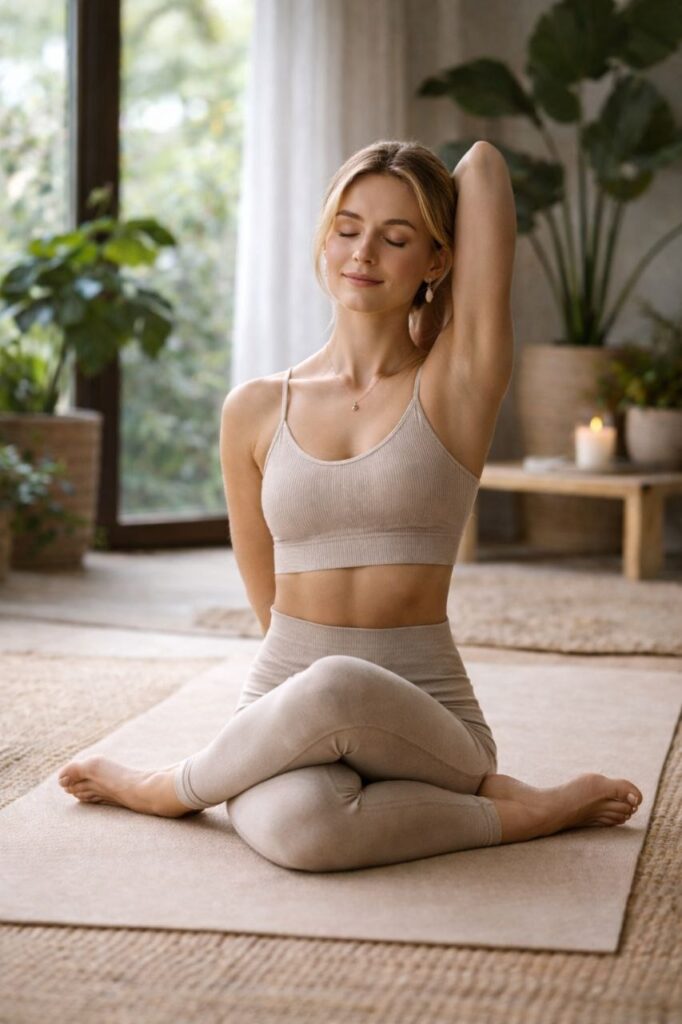
Practice method:
- Sitting on the ground, bend one leg and place it on top of the other leg.
- Try to keep both knees on top of each other
- Keep heels close to the hips
- Keeping the spine straight, remain in this position for a few breaths.
Correct method of doing Padmasana (Step-by-Step Lotus Pose)
Correct method and awareness of the body are extremely important while practicing Padmasana. This asana proves beneficial only when it is done slowly and without any force. Stability of the body, straightness of the spine, and ease of breathing are the most important elements in Padmasana. Especially beginners should understand that the purpose of this asana is not just to position the feet but to bring the entire body and mind into a balanced state. Only practice done in the right sequence and with patience makes Padmasana safe and effective.
- Sit on the floor in dandasana
- Raise the right leg and place it on the left thigh
- Lift the left foot and place it on the right thigh
- Both soles point upwards
- Keep your spine straight
- Keep your hands in a knowledge posture
- Keep breathing normally.
Lotus Pose Variations for Beginners
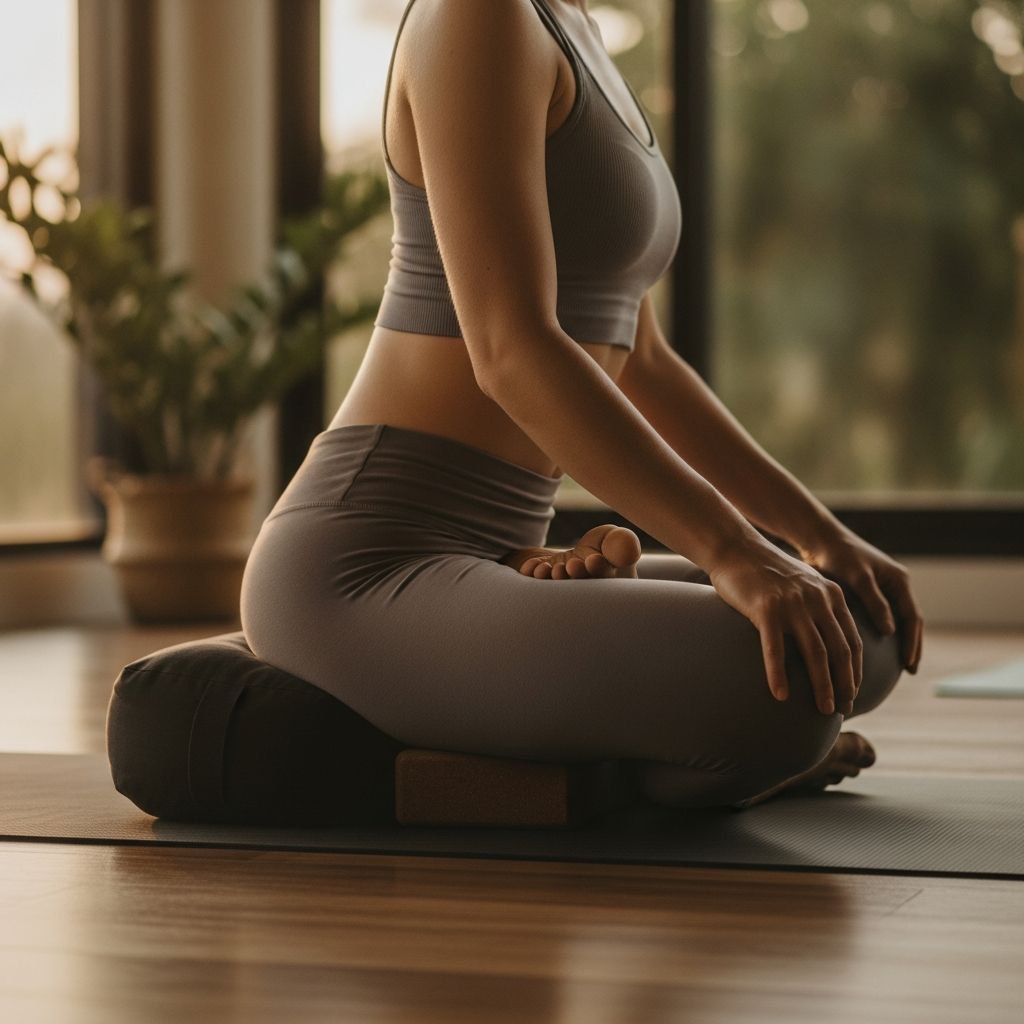
The body of every seeker is different; hence, the practice of Padmasana is not possible in the same form for everyone. Beginners need to progress slowly, understanding the limitations of their bodies. The purpose of variations is to simplify Padmasana, keep the body safe, and maintain consistency in the practice. When the body is supported and relaxed, the mind also remains more stable, and meditation becomes easier. Through these variations, the practitioner can progress to Padmasana without any strain or risk of injury, making the yoga practice enjoyable and long-lasting.
1. Ardha Padmasana
2. Supported Padmasana (with cushion or block)
3. Chair Padmasana
4. Reclined Padmasana (Reclined Lotus Pose – Advanced Prep)
Benefits of Lotus Pose
Padmasana is considered to be an extremely beneficial and balancing asana in yoga because its effect is not limited to the body only but reaches the level of the mind and consciousness. Padmasana practice done regularly and correctly provides physical stability, mental clarity and inner peace to the seeker. This asana develops the ability to sit for long periods of time, which is essential for meditation and pranayama. The benefits of Padmasana appear slowly, but with regular practice, its effects are strong and lasting.
physical benefits
- Spine strength
- Hip flexibility
- Better digestion
- Knee stability
mental benefits
- Stress reduction
- Increase concentration
- Peace of mind
spiritual benefits
- Depth in meditation
- Cycle balance
- Self-awareness
Common Mistakes in Padmasana
While practicing Padmasana, practitioners often unknowingly commit some mistakes that reduce the benefits of the asana or can cause discomfort and injury to the body. Especially beginners repeat these errors in the absence of proper guidance and preparation. Being aware of these common mistakes can make the practice of Padmasana safer and more effective.
- Strain on the knees
- Practice straight away without preparation
- Bend one’s back
- Stop breathing
Precautions & Contraindications
Padmasana is a meditative and beneficial asana, but it is not suitable for every person in every situation. If there is any pre-existing injury, stiffness, or medical problem in the body, then this asana should be practiced carefully or under the supervision of a yoga teacher. Understanding the limitations of the body and practicing without force is what makes Padmasana safe.
- Knee injury
- Hip surgery
- Severe sciatica
- Ankle injury
In such cases, teacher supervision is necessary.
The relation of Padmasana and meditation
The stability and comfort of the body are very important in the practice of meditation, because when the body is unstable or uncomfortable, the mind is also unable to concentrate. Padmasana is a meditative posture that naturally stabilizes the body and helps the practitioner to focus inward. That is why Padmasana has been considered one of the best asanas for meditation and spiritual practice since ancient times.
Padmasana is great for meditation because it:
- Very helpful in keeping the body stable
- This posture is also helpful when sitting for a long time
- It prevents wastage of energy
Practice Tips for Beginners
The most important and necessary thing for beginners to do while practicing Padmasana is to have patience and consistency. This asana is not perfected immediately, but with time the body gradually prepares for it. A correct approach and conscious practice prevent injury and also allow experiencing the real benefits of yoga.
- Start with 5–10 minutes a day
- Always warm up
- Be patient
- Respect body limits
Summary
Padmasana is an extremely effective and meditative yoga asana, but it needs to be done with proper understanding, preparation, and patience. This asana is not limited to just the posture of the legs but is a medium to establish balance between body, mind, and energy. Adopting the preparatory postures, variations, and correct practice method makes Padmasana safe and beneficial for beginners.
With daily or regular practice, Padmasana promotes physical stability, mental peace, and spiritual awareness. When the practitioner moves slowly, respecting the limitations of his body, then this asana becomes a strong foundation for meditation and sadhana. With the right guidance, consistent practice, and a positive attitude, Padmasana provides depth and balance to the yoga journey.
About Rishikesh Yog Kendra
Rishikesh Yog Kendra, located in Rishikesh, is a well-known yoga school where traditional yoga is taught in a pure and practical way. Here, experienced instructors, certified by Yoga Alliance, teach asanas, pranayama, meditation, and the yogic lifestyle. They offer healthy vegetarian meals, private and shared rooms, free excursion trips, and an internationally recognized certificate after completion, ensuring a complete and memorable yoga experience for students.
Courses offered: